ЖАҢАЛЫҚТАР
-
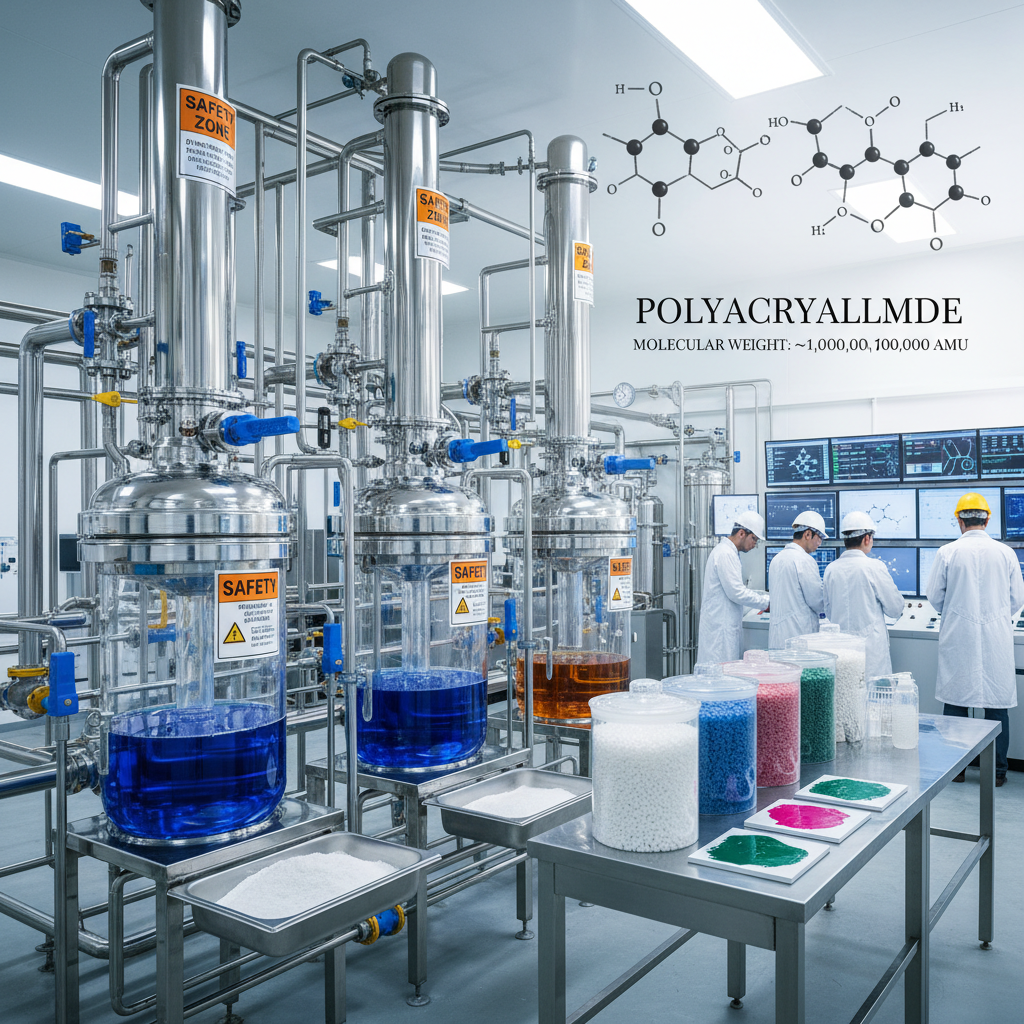 Polyacrylamide (PAM) is a water-soluble polymer used in water treatment, oil recovery, paper making, and agriculture. A crucial property governing its performance is its molecular weight. This article explores the intricacies of polyacrylamide molecular weight, its impact on application effectiveness, different measurement techniques, and the role of Fizachem in providing high-quality PAM products. Understanding the nuances of molecular weight is essential for optimizing PAM usage and achieving desired results. Molecular weight refers to the sum of the atomic weights of all the atoms in a molecule. For polymers like polyacrylamide, it's often expressed as an average molecular weight because polymer chains aren't all the same length. The molecular weight significantly influences its viscosity, solubility, flocculation efficiency, and overall performance. Higher molecular weights generally lead to increased viscosity and improved flocculation, but also reduced solubility in certain conditions. Choosing the appropriate molecular weight is therefore critical for specific applications.Толығырақ оқыңыз
 -
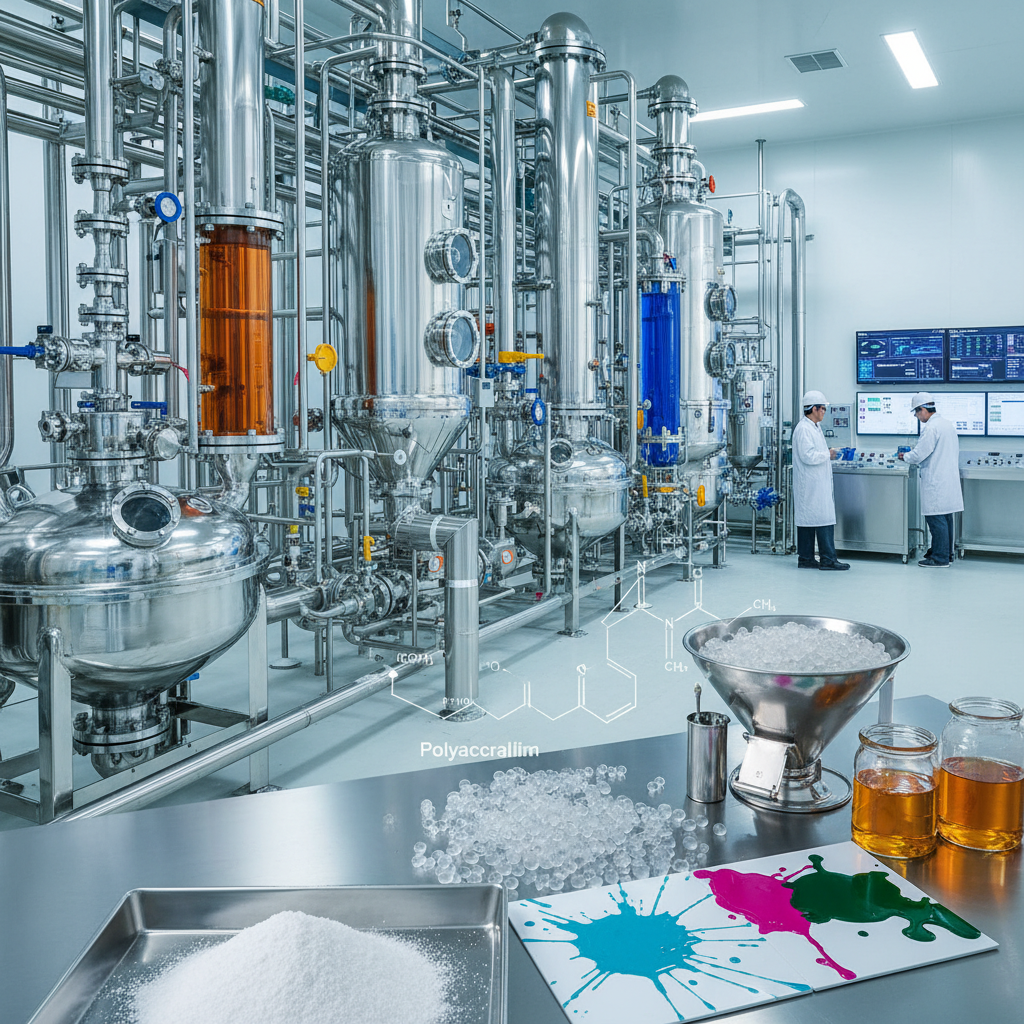 Linear polyacrylamide (PAM) is a water-soluble polymer widely used across various industries due to its exceptional flocculation, thickening, and stabilization properties. From wastewater treatment to enhanced oil recovery, and agricultural applications, linear polyacrylamide plays a crucial role in optimizing processes and improving efficiency. This article provides an in-depth look at the properties, applications, and benefits of linear PAM, exploring why it’s a preferred choice for professionals globally. Understanding these aspects is key to leveraging its full potential in your specific industry. Linear polyacrylamide is a synthetic polymer formed by the polymerization of acrylamide monomers. Its linear structure, high molecular weight, and water solubility contribute to its unique properties. It exists in various forms, including anionic, cationic, and non-ionic, each tailored for specific applications. Anionic PAM is the most commonly used type, especially in wastewater treatment, while cationic PAM is preferred for sludge dewatering. The polymer's effectiveness stems from its ability to neutralize charges and bridge particles, facilitating their aggregation and separation.Толығырақ оқыңыз
 -
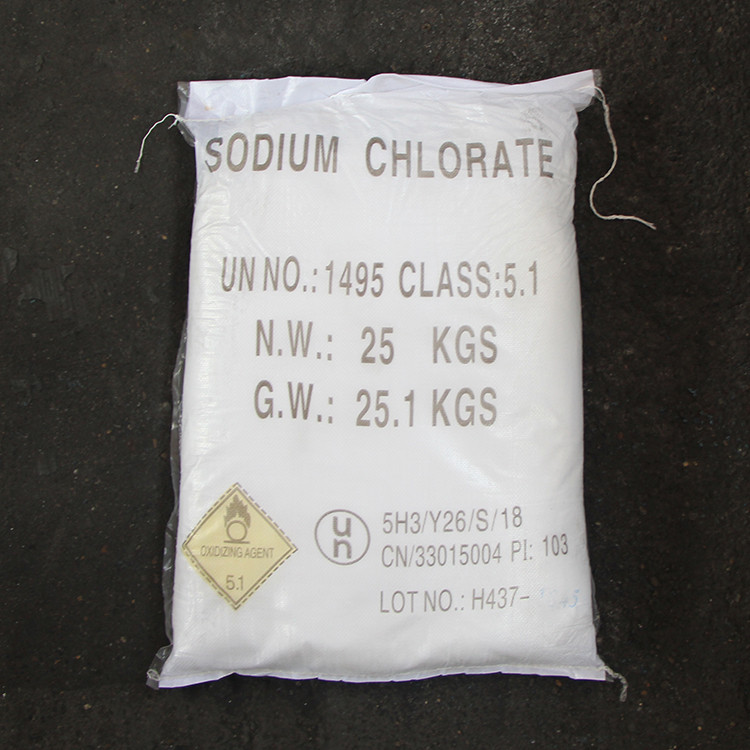 Discover high-purity sodium chlorate for industrial applications. Specializing in chlorine dioxide production, HEBEI FIZA offers 99% purity with strict quality standards. Ideal for pulp bleaching and chemical synthesis. Explore premium solutions: https://www.fizachem.comТолығырақ оқыңыз
 -
Discover high-purity sodium chlorate for industrial applications. Specializing in chlorine dioxide production, HEBEI FIZA offers 99% purity with strict quality standards. Ideal for pulp bleaching and chemical synthesis. Explore premium solutions: https://www.fizachem.comТолығырақ оқыңыз
-
Discover high-purity sodium chlorate for industrial applications. Specializing in chlorine dioxide production, HEBEI FIZA offers 99% purity with strict quality standards. Ideal for pulp bleaching and chemical synthesis. Explore premium solutions: https://www.fizachem.comТолығырақ оқыңыз
-
Discover high-purity sodium chlorate for industrial applications. Specializing in chlorine dioxide production, HEBEI FIZA offers 99% purity with strict quality standards. Ideal for pulp bleaching and chemical synthesis. Explore premium solutions: https://www.fizachem.comТолығырақ оқыңыз
-
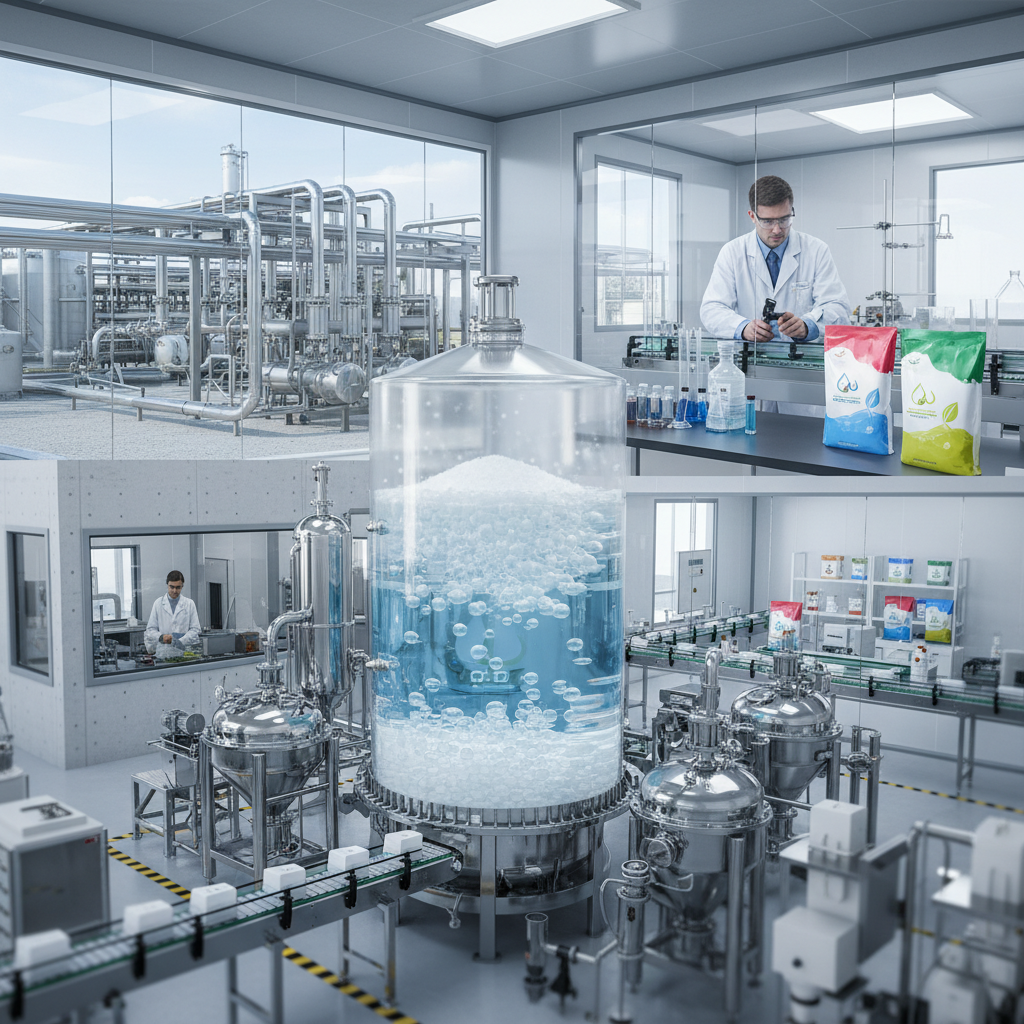 Cross-linked polyacrylamide (HPAM) is a versatile polymer with a wide range of applications across various industries, including oil and gas, water treatment, agriculture, and personal care. Its unique properties stem from its molecular structure – a polymer chain network stabilized by cross-links. This article will explore the characteristics, manufacturing process, applications, and benefits of cross-linked polyacrylamide, with a focus on its performance and suitability for specific industrial needs. Fizachem offers a diverse range of high-quality HPAM products tailored to meet your specific requirements. Polyacrylamide, in its basic form, is a water-soluble polymer. However, the addition of cross-linking agents during polymerization creates a three-dimensional network structure. This cross-linking significantly enhances the polymer’s resistance to degradation, improves its shear stability, and allows it to maintain its viscosity even under high stress conditions. The degree of cross-linking is a crucial factor determining the polymer’s performance characteristics.Толығырақ оқыңыз
 -
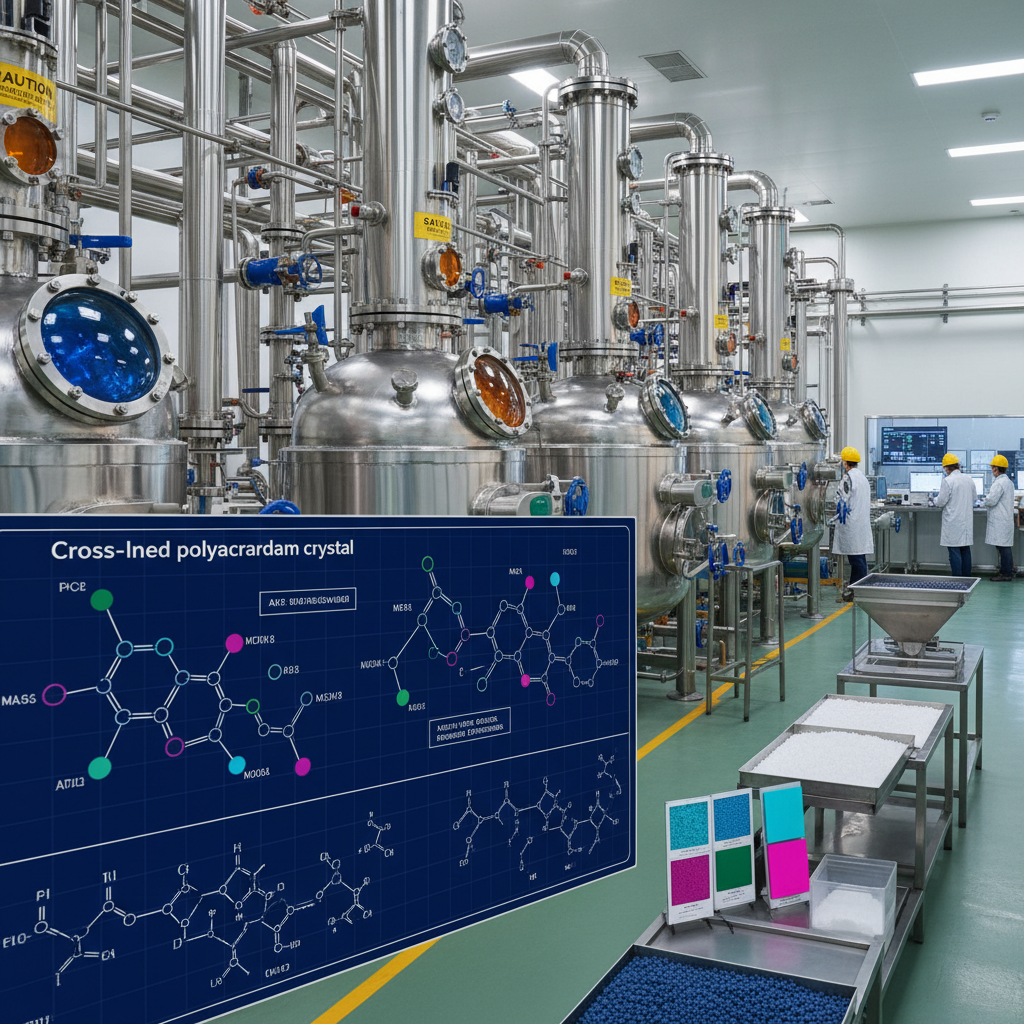 Cross linked polyacrylamide crystals are highly versatile materials finding increasing applications in various industries. These superabsorbent polymers (SAPs) exhibit remarkable water absorption capabilities, making them invaluable in agriculture, hygiene products, industrial applications, and more. This article delves into the properties, manufacturing, applications, and benefits of cross linked polyacrylamide crystals, offering a comprehensive overview for professionals and researchers. Understanding their characteristics is key to leveraging their potential effectively. At their core, cross linked polyacrylamide crystals are polymers created from acrylamide monomers. The “cross-linked” aspect refers to the chemical bonds formed between polymer chains, creating a three-dimensional network. This network is crucial for the crystal's ability to absorb and retain large volumes of water – often hundreds of times their weight.Толығырақ оқыңыз
 -
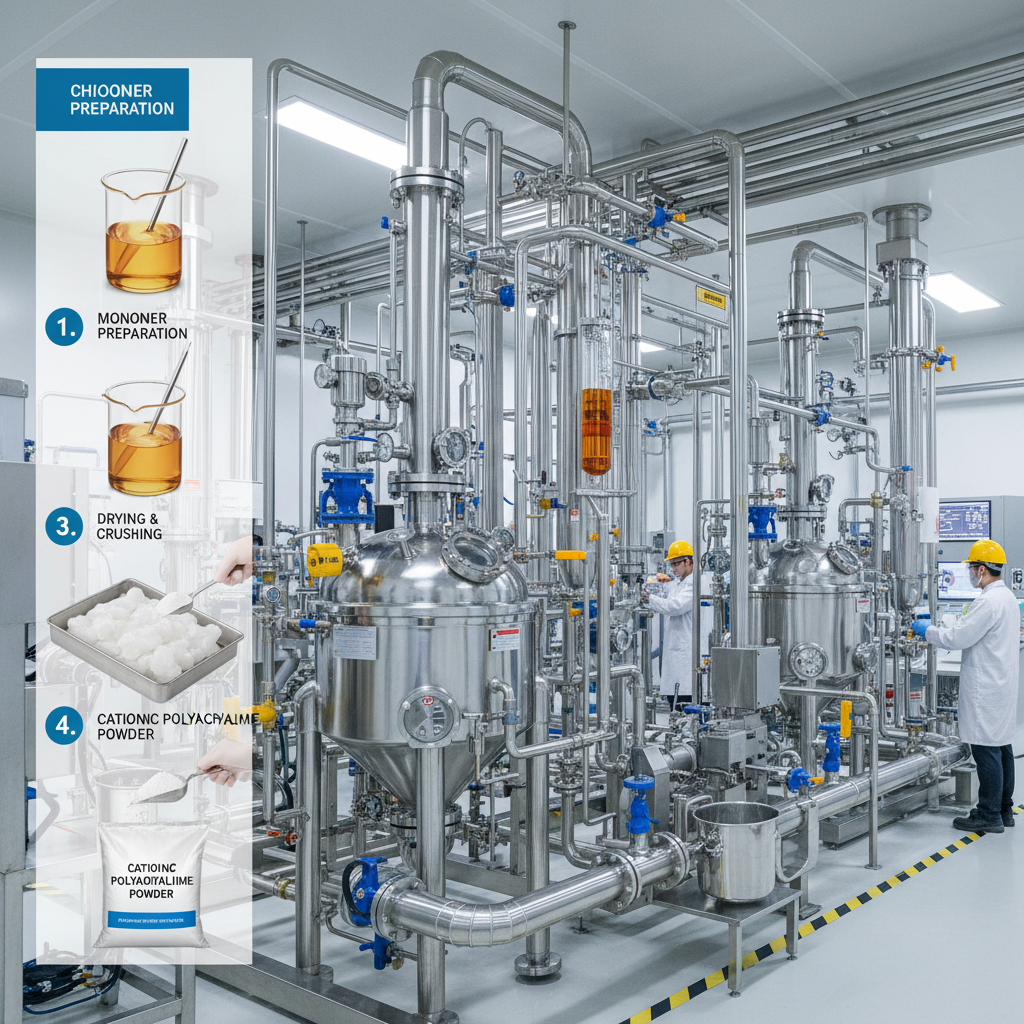 Cationic polyacrylamide (CPAM) powder is a versatile polymer widely utilized across numerous industrial applications, particularly in water treatment, paper manufacturing, and oil recovery. Its unique cationic charge allows it to effectively neutralize negatively charged particles, leading to flocculation and enhanced separation processes. This article will provide a detailed overview of cationic polyacrylamide powder, covering its properties, applications, benefits, and how to choose the right product for your needs. Understanding its characteristics and optimal use is crucial for maximizing efficiency and cost-effectiveness. You can explore our range of cationic polyacrylamide powders at Fizachem.Толығырақ оқыңыз
 -
Polyacrylamide (PAM) is a water-soluble polymer with a wide range of applications, particularly in water treatment and enhanced oil recovery. Its ability to modify water properties—such as viscosity and flocculation—makes it a valuable tool in various industrial processes. Understanding the characteristics and applications of polyacrylamide in water is crucial for optimizing its use and ensuring effective results. This article delves into its properties, uses, and important considerations for handling and application. Polyacrylamide exists in various forms—anionic, cationic, and non-ionic—each exhibiting unique characteristics when dissolved in water. Its molecular weight also plays a significant role, influencing its performance in different applications. The polymer's effectiveness lies in its ability to adsorb onto particles in water, causing them to aggregate and settle out, a process known as flocculation. The degree of hydrolysis affects the charge density of the polymer, further influencing its interaction with suspended solids.Толығырақ оқыңыз
-
Poly Acrylic Amide (PAM) is a water-soluble polymer gaining prominence across various industries due to its diverse applications. From wastewater treatment to enhanced oil recovery, Fizachem's Poly Acrylic Amide offers effective solutions. This article will delve into the properties, types, applications, and benefits of PAM, providing a comprehensive understanding for professionals and businesses seeking to optimize their processes. Understanding PAM's functionality can lead to significant improvements in efficiency and sustainability. Poly Acrylic Amide is a synthetic polymer created from the polymerization of acrylamide monomers. Its molecular weight and charge density can be adjusted, resulting in diverse product grades tailored to specific applications. PAM is non-toxic and biodegradable, making it an environmentally responsible choice. It functions as a flocculant, thickener, dispersant, and soil conditioner. Fizachem’s PAM is renowned for its purity and consistent performance.Толығырақ оқыңыз
-
Dry polyacrylamide (PAM) is a versatile water-soluble polymer finding increasing application across numerous industries. Its exceptional flocculation, thickening, and soil conditioning properties make it invaluable in wastewater treatment, agriculture, paper making, and oil recovery. This article provides a comprehensive overview of dry polyacrylamide, detailing its characteristics, diverse applications, and the advantages it offers. Understanding its properties is crucial for optimizing processes and achieving desired outcomes. We’ll explore its role in enhancing efficiency and sustainability. Dry polyacrylamide is a synthetic polymer, typically supplied as a white, odorless powder. It’s produced by polymerizing acrylamide monomers. Crucially, it exists in various forms – anionic, cationic, and non-ionic – each exhibiting distinct properties and suited to different applications. The charge of the polymer influences its interaction with suspended particles. Anionic PAM is most commonly used for wastewater treatment, while cationic PAM is preferred for sludge dewatering.Толығырақ оқыңыз