High Purity Lead Nitrate from water treatment chemicals suppliers
Lead Nitrate is a high-performance inorganic compound essential for specialized industrial processes, ranging from high-precision pigment manufacturing to advanced mineral recovery in mining operations. As a powerful oxidizer with a precise molecular structure (Pb(NO3)2), it serves as a critical reagent where solubility and chemical reactivity are paramount. For procurement managers and technical engineers, sourcing this compound requires a balance of high purity and stringent safety compliance due to its hazardous classification.
Whether utilized as a flotation activator for gold ore or as a precursor for Chrome Yellow pigments, the effectiveness of Lead Nitrate depends heavily on its chemical stability and purity levels. This guide examines the technical specifications and application logic that drive the selection of high-grade Lead Nitrate, ensuring operational efficiency and product quality across various industrial sectors.

Technical Properties and Chemical Characteristics of Industrial Lead Nitrate
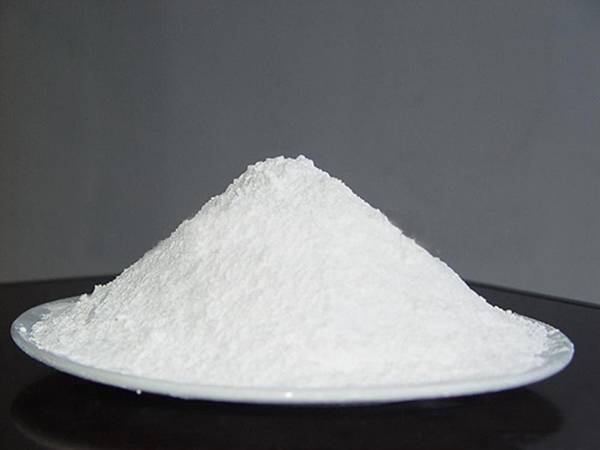
Lead Nitrate presents as a white crystalline powder with a relative density of 4.53, making it a dense and potent chemical agent. One of its most critical technical features is its solubility; it is easily soluble in water and liquid ammonia, though it shows limited solubility in ethyl alcohol and remains insoluble in concentrated nitric acid. This solubility profile is essential for creating the homogeneous solutions required in chemical synthesis and ore flotation.
From a stability perspective, Lead Nitrate is a strong oxidizer. Dry lead nitrate typically decomposes between 205-223°C, while damp lead nitrate begins decomposition at 100°C, transitioning through lead(II) hydroxide chromate before eventually becoming lead oxide (PbO). Because it can ignite organic materials upon contact, rigorous storage and handling protocols are mandatory to prevent hazardous reactions.
- Molecular Weight: 331.20
- CAS Number: 10099-74-8
- Hazardous Class: 5.1 Oxidizer (UN No. 1469)
- Physical Form: White crystal powder

Diversified Industrial Applications: From Pigments to Mineral Extraction
The utility of Lead Nitrate is split primarily between the chemical coloring industry and the mining sector. In the pigment industry, it is a fundamental building block for producing high-intensity lead compounds, specifically Chrome Yellow and Chrome Orange. These pigments are prized for their opacity and brilliance, making Lead Nitrate an indispensable precursor for specialized dyes and leather tanning materials where a dyeing mordant is required to fix colors to the substrate.
In the mining industry, Lead Nitrate functions as a sophisticated flotation reagent. It is specifically used in the recovery of gold ore and other complex minerals. By modifying the surface properties of the minerals, it enhances the selectivity of the flotation process, allowing for higher recovery rates of precious metals from the raw ore. The purity of the reagent directly correlates with the efficiency of the mineral separation, which is why high-purity grades are prioritized in large-scale mining operations.
Critical Evaluation Factors for Procurement and Quality Assurance
When evaluating suppliers of Lead Nitrate, technical buyers must focus on the "Dry Basis" purity. For most industrial applications, a minimum purity of 99% is required to avoid contaminants that could interfere with chemical reactions or pigment hues. Particular attention should be paid to the levels of free acid (as HNO3), which should ideally remain below 0.3% to prevent unwanted corrosion of equipment and instability of the final product.
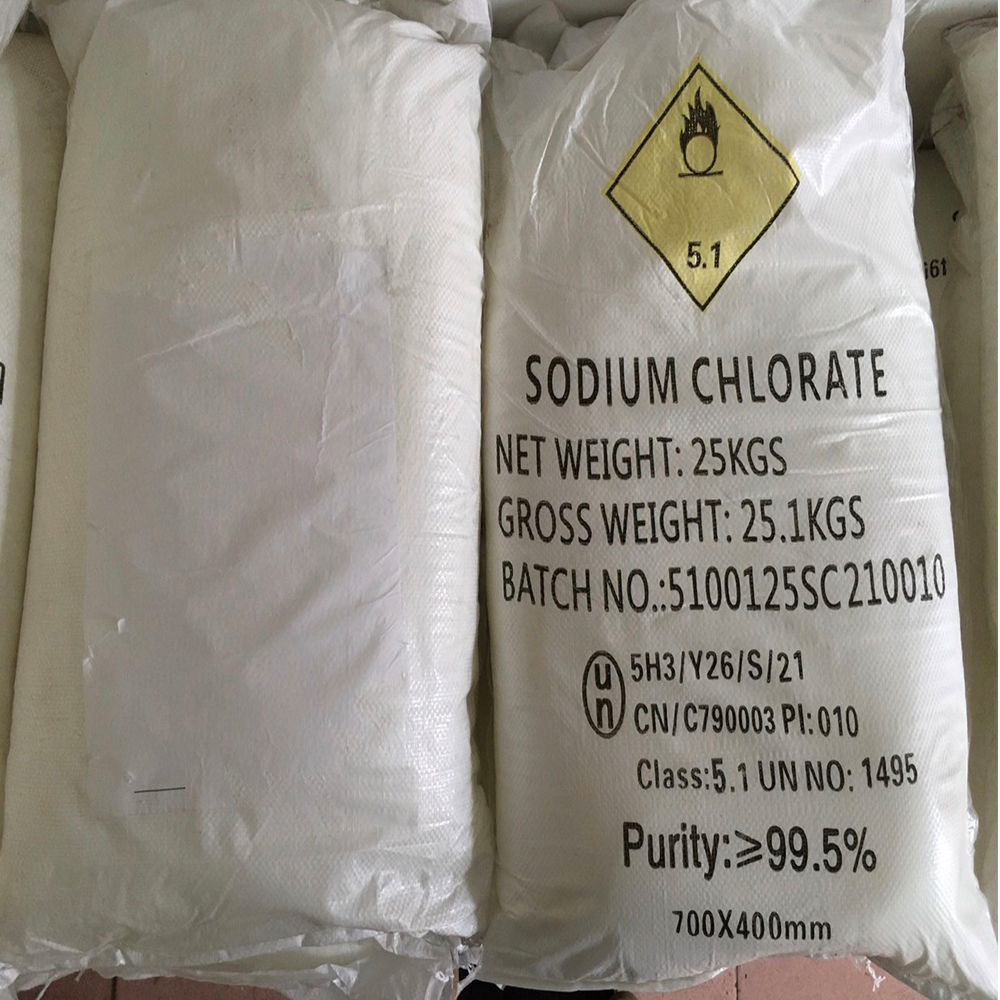
Trace metal contamination is another pivotal concern. In pigment production, copper (Cu) and iron (Fe) impurities must be kept extremely low (often max 0.002%) to ensure color consistency and prevent off-shades. For mining applications, these tolerances may be slightly wider (up to 0.005%), but consistency across batches remains vital for maintaining a stable flotation circuit. Procurement professionals should also verify that packaging meets UN-approved standards, utilizing plastic woven bags with internal liners to ensure moisture protection and safety during transit.
Technical Specification Comparison: Pigment Grade vs. Mining Grade
| Parameter | Pigment Grade Requirement | Mining Grade Requirement | Impact of Deviation |
|---|---|---|---|
| Purity (Dry Basis) | 99% min | 99% min | Reduced reaction efficiency |
| Free Acid (HNO3) | 0.3% max | 0.3% max | Increased corrosion risk |
| Copper (Cu) | 0.002% max | 0.005% max | Pigment discoloration |
| Iron (Fe) | 0.002% max | 0.005% max | Reduced flotation selectivity |
| Water Insolubles | 0.05% max | 0.05% max | Solution turbidity/clogging |
Supply Chain Reliability and Global Distribution Standards
The global procurement of hazardous chemicals like Lead Nitrate requires a partner with a robust logistics network and a commitment to safety. Because it is classified as a Class 5.1 Oxidizer, the transport process is subject to strict international regulations. Reliable suppliers integrate comprehensive procurement services, leveraging extensive manufacturer networks to ensure a steady supply of high-purity materials regardless of market volatility.
Quality consistency is achieved through mature production techniques and elite production teams. For companies operating in Southeast Asia, Europe, and the Middle East, the ability to source from a centralized one-stop solution reduces the complexity of managing multiple vendors. A trustworthy supplier provides not only the product but also the necessary certification and documentation to ensure that the material meets the safety and quality standards of the destination country.
Strategic Sourcing Recommendations for Chemical Buyers
To optimize the procurement of Lead Nitrate, buyers should move beyond simple price comparisons and evaluate the supplier's overall quality management system. It is recommended to request a detailed Certificate of Analysis (COA) for every batch, specifically checking the moisture content (max 1.8%) and the insoluble matter. Excess moisture can lead to clumping and decomposition, significantly impacting the ease of dosing in industrial mixers.
Furthermore, consider the scalability of the supplier. A partner capable of providing various packaging sizes—such as 25kg, 500kg, or 1000kg UN-approved bags—can help optimize warehouse space and reduce handling costs. By aligning technical requirements with a supplier's manufacturing capability, businesses can ensure a stable production cycle and maintain the high quality of their end-products, whether they are premium pigments or recovered precious metals.
Frequently Asked Questions About Lead Nitrate Procurement
What is the main difference between pigment grade and mining grade Lead Nitrate?
The primary difference lies in the tolerance for trace metal impurities. Pigment grade requires stricter limits on Copper and Iron (typically 0.002% max) to prevent discoloration in Chrome Yellow and Orange, whereas mining grade allows slightly higher levels (0.005% max) as it is used primarily as a flotation reagent.
How should Lead Nitrate be stored to prevent decomposition?
Lead Nitrate should be stored in a cool, dry, and well-ventilated area, away from organic materials and reducing agents. Since damp Lead Nitrate decomposes at 100°C and dry Lead Nitrate at 205-223°C, maintaining low humidity and temperature is critical to prevent the formation of lead oxide.
Is Lead Nitrate soluble in organic solvents?
Lead Nitrate is highly soluble in water and liquid ammonia. It has light solubility in ethyl alcohol but is completely insoluble in concentrated nitric acid.
What are the safety risks associated with transporting Lead Nitrate?
As a Class 5.1 Oxidizer, Lead Nitrate can accelerate the combustion of organic materials. It must be transported in UN-approved packaging, such as lined plastic woven bags, and handled by carriers certified for hazardous chemical transport.
Can Lead Nitrate be used as a substitute for other flotation reagents?
Lead Nitrate is specifically effective as an activator for gold ore and certain other minerals. Its suitability depends on the mineralogy of the ore; therefore, it is usually selected based on metallurgical test results rather than as a generic substitute.
What packaging options are available for bulk procurement?
Standard industrial packaging includes UN-approved plastic woven bags with plastic liners, available in net weights of 25kg, 500kg, and 1000kg to suit different scale requirements.
Technical References and Industry Standards
- PubChem: Lead Nitrate Chemical Properties
- International Labour Organization: Chemical Safety Guidelines
- ISO Standards for Chemical Packaging and Transport
- UN Recommendations on the Transport of Dangerous Goods
For enterprises seeking high-purity Lead Nitrate for pigment or mining applications, selecting a supplier with proven quality control and a reliable global network is essential for operational success. Ensure all technical specifications are aligned with your process requirements to maximize efficiency.
Related Industrial Chemical Resources