Comprehensive Guide to NonIonic Polyacrylamide Applications and Benefits
Understanding Non-Ionic Polyacrylamide: Applications and Benefits
Non-ionic polyacrylamide (NIPAM) is a versatile polymer widely utilized across numerous industries due to its unique properties. This water-soluble polymer is prized for its thickening, flocculating, and stabilizing capabilities. From wastewater treatment to enhanced oil recovery and even cosmetic formulations, NIPAM plays a critical role. This article provides an in-depth look at NIPAM, its applications, benefits, and how Fizachem delivers high-quality NIPAM solutions. Understanding these qualities allows for informed applications in diverse processes.
What is Non-Ionic Polyacrylamide?
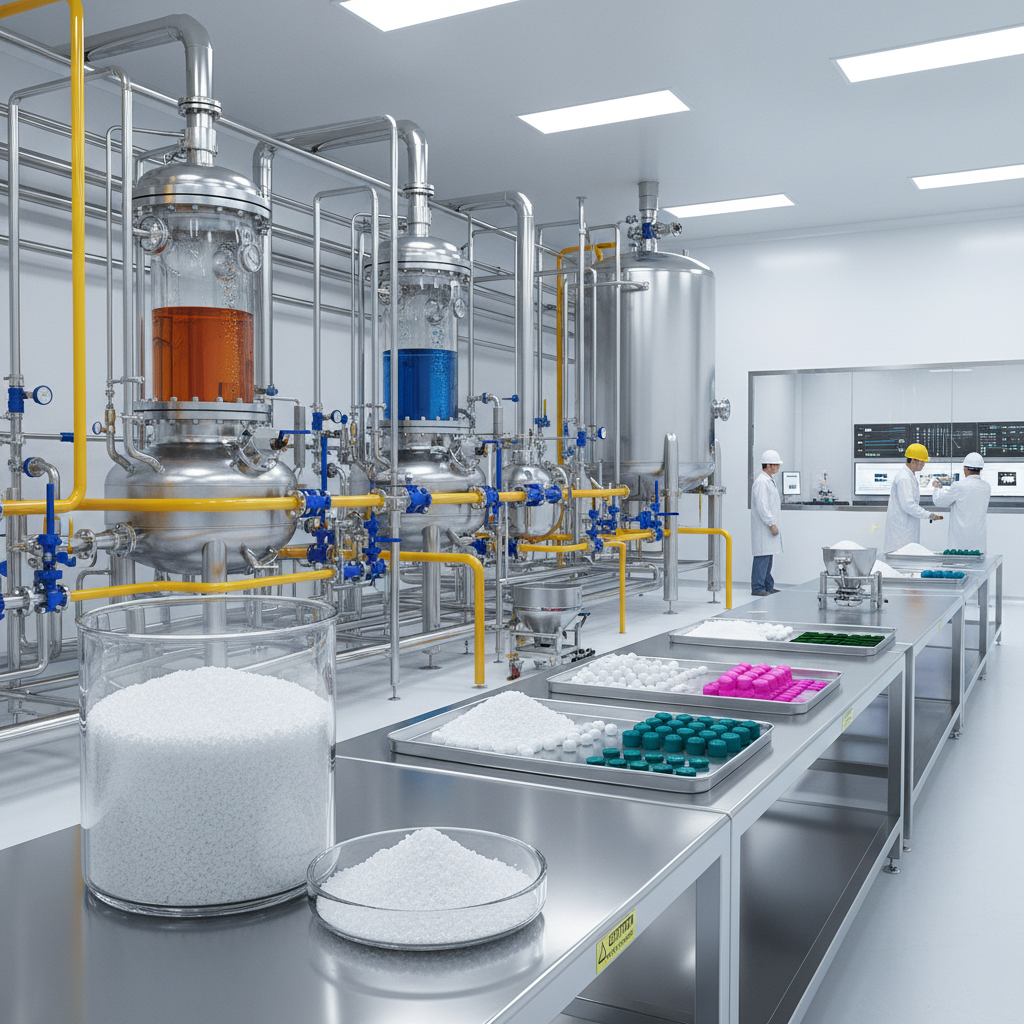
Non-ionic polyacrylamide is a synthetic polymer created by the polymerization of acrylamide monomers. Unlike ionic polyacrylamides, NIPAM does not carry an electrical charge, giving it distinct characteristics and making it suitable for applications where charge interactions are undesirable. Its chemical formula is (C3H5NO)n. This polymer is typically supplied as a white granular powder, readily soluble in water. The molecular weight of NIPAM can be tailored to meet specific application requirements. At Fizachem, we offer NIPAM with varying molecular weights to optimize performance.
Key Highlights: NIPAM is a water-soluble, non-ionic polymer offering excellent thickening, flocculation, and stabilization properties. It’s adaptable molecular weight allows for optimized solutions.
Key Applications of Non-Ionic Polyacrylamide
The versatility of NIPAM drives its application across a broad range of industries. Some prominent uses include: Wastewater Treatment: NIPAM acts as a flocculant, effectively removing suspended solids. Enhanced Oil Recovery (EOR): Increases oil viscosity to improve displacement efficiency. Paper Manufacturing: Improves paper strength and retention. Mining: Aids in mineral processing and tailings management. Cosmetics & Personal Care: Used as a thickener and stabilizer in various formulations. Furthermore, its non-ionic nature makes it ideal for applications requiring minimal interference with other chemical processes.
Application Benefits:
• Improves process efficiency
• Reduces waste and costs
• Enhances product quality
• Environmentally friendly alternative
Non-Ionic Polyacrylamide vs. Other Polyacrylamides: A Comparison
While all polyacrylamides share a common base, their charge characteristics significantly influence their applications. Anionic and cationic polyacrylamides carry negative and positive charges respectively. NIPAM's neutral charge makes it suitable where electrostatic interactions are detrimental, such as in applications involving complex mixtures or sensitive chemical processes. This difference in charge impacts flocculation efficiency based on the particle charge in the medium. Fizachem’s expertise ensures selection of the optimal polyacrylamide type for your specific application.
Fizachem's Non-Ionic Polyacrylamide Products
At Fizachem, we specialize in providing high-quality non-ionic polyacrylamide tailored to meet your specific needs. We offer a range of molecular weights and concentrations to optimize performance in diverse applications. Our products are rigorously tested to ensure consistent quality and purity. We also provide technical support to assist you in selecting the right NIPAM grade for your process.
Product Specifications
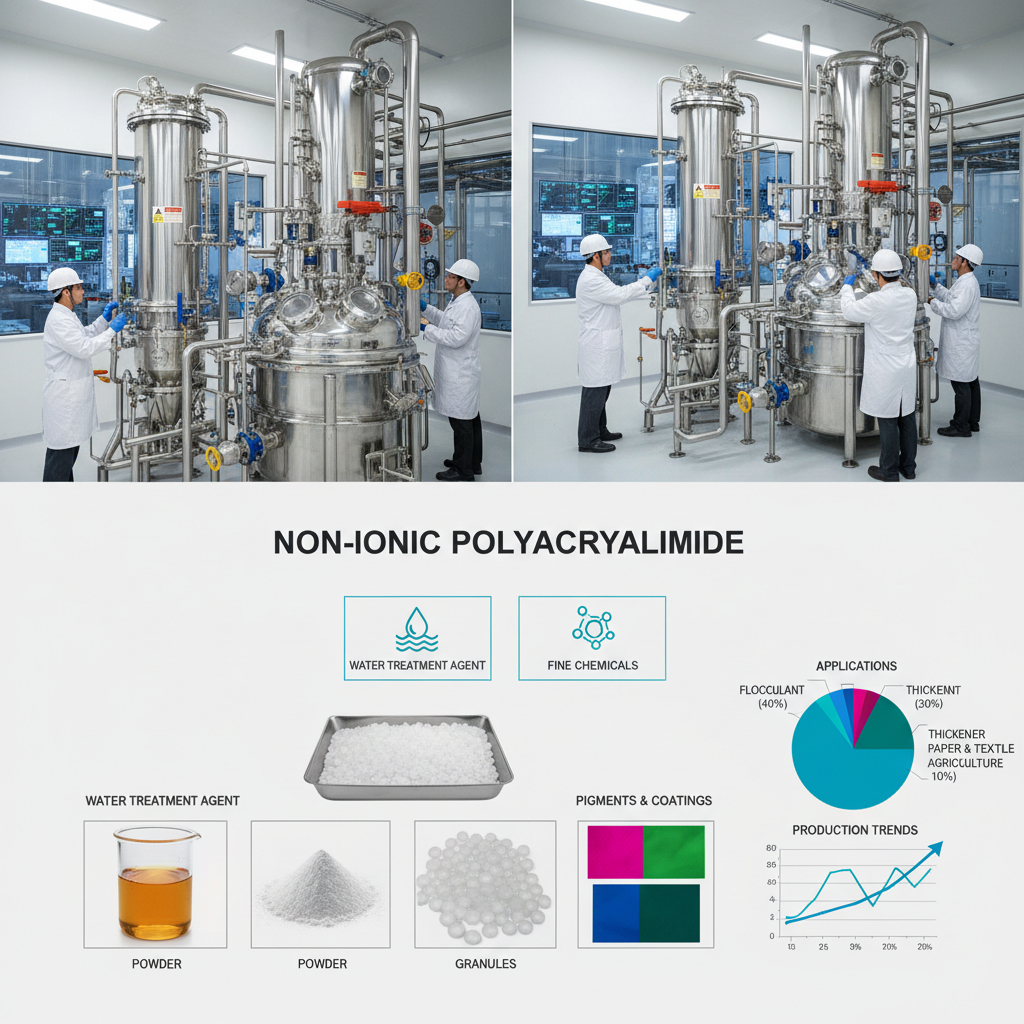
Below is a table outlining typical specifications of our NIPAM products. Contact us for detailed technical data sheets and custom formulations.
Conclusion: Partner with Fizachem for Reliable NIPAM Solutions
Investing in high-quality non-ionic polyacrylamide is crucial for optimizing your processes and achieving superior results. Fizachem provides reliable, consistent, and customizable NIPAM solutions backed by expert technical support. Contact us today to discuss your specific application needs.
Frequently Asked Questions (FAQs)
What is the optimal dosage of Non-Ionic Polyacrylamide for wastewater treatment?
The optimal dosage of NIPAM for wastewater treatment varies depending on the characteristics of the wastewater, including the type and concentration of suspended solids, pH, and temperature. A jar test is highly recommended to determine the ideal dosage for your specific application. Typically, dosages range from 1 to 10 ppm, but this is a general guideline. Fizachem’s technical team can assist you in conducting jar tests and determining the most effective dosage for your needs.
How should Non-Ionic Polyacrylamide be stored?
NIPAM should be stored in a cool, dry, and well-ventilated area, away from direct sunlight, heat sources, and incompatible materials such as strong oxidizers. The packaging should be tightly closed to prevent moisture absorption. Proper storage helps maintain the polymer's stability and effectiveness. A storage temperature between 5°C and 30°C is generally recommended. Follow the safety guidelines outlined in the Safety Data Sheet (SDS).
Is Non-Ionic Polyacrylamide environmentally friendly?
NIPAM is generally considered a more environmentally friendly alternative to other types of polymers, as it is non-ionic and does not contribute to charge imbalances in the environment. However, it’s essential to use it responsibly and follow proper disposal guidelines. While NIPAM itself is not acutely toxic, it's crucial to minimize its release into the environment. We provide guidance on responsible handling and disposal practices.
-
Comprehensive Guide to Polyacrylamide Powder Applications and Industrial BenefitsNewsMar.31,2026
-
Understanding Polyacrylamide Charge and its Impact on Industrial ApplicationsNewsMar.28,2026
-
Comprehensive Guide to Cationic Polyacrylamide for Industrial Water Treatment and BeyondNewsMar.26,2026
-
Comprehensive Guide to Polyacrylamide and its CAS Number 9003058 ApplicationsNewsMar.24,2026
-
Comprehensive Guide to Polyacrylamide CAS No 9003058 and Industrial ApplicationsNewsMar.21,2026
-
Comprehensive Overview of Polyacrylamide CAS 9003058 Applications and PropertiesNewsMar.19,2026
-
Comprehensive Guide to Anionic Polyacrylamide Applications and BenefitsNewsMar.17,2026