Exploring the Properties and Applications of Cross Linked Polyacrylamide Crystals
Understanding Cross Linked Polyacrylamide Crystals
Cross linked polyacrylamide crystals are highly versatile materials finding increasing applications in various industries. These superabsorbent polymers (SAPs) exhibit remarkable water absorption capabilities, making them invaluable in agriculture, hygiene products, industrial applications, and more. This article delves into the properties, manufacturing, applications, and benefits of cross linked polyacrylamide crystals, offering a comprehensive overview for professionals and researchers. Understanding their characteristics is key to leveraging their potential effectively.
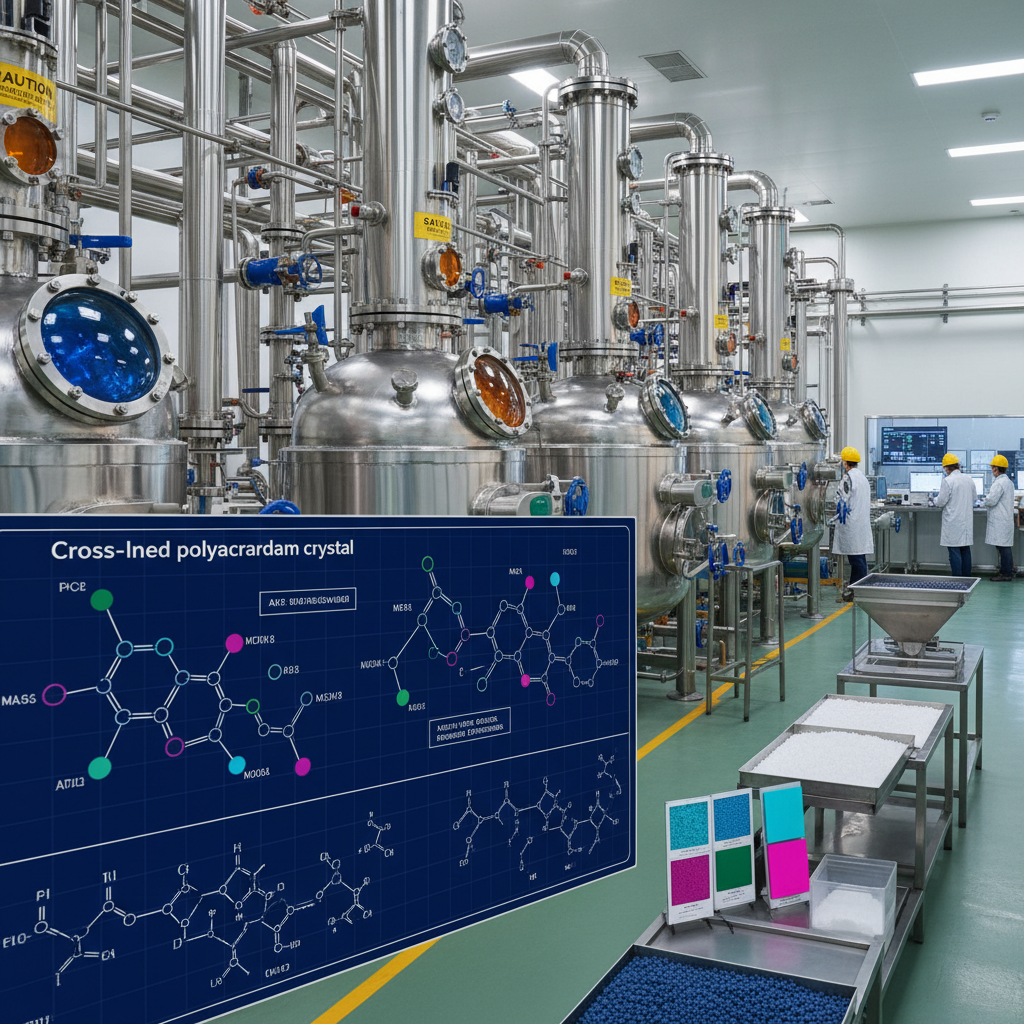
What are Cross Linked Polyacrylamide Crystals?
At their core, cross linked polyacrylamide crystals are polymers created from acrylamide monomers. The “cross-linked” aspect refers to the chemical bonds formed between polymer chains, creating a three-dimensional network. This network is crucial for the crystal's ability to absorb and retain large volumes of water – often hundreds of times their weight. This exceptional absorbency stems from the polymer’s hydrophilic nature and the network structure that prevents it from dissolving in water. These crystals are generally white, granular, and odorless in their dry state. Fizachem specializes in producing high-quality, customized polyacrylamide crystals for a range of applications.
Key Highlights: Exceptional water absorption, cross-linked network for stability, hydrophilic properties, versatile applications.
Manufacturing Process of Cross Linked Polyacrylamide Crystals
The manufacturing of these crystals involves several key steps. First, acrylamide monomers are polymerized. This is then followed by a cross-linking process using a cross-linking agent, such as N,N'-methylenebisacrylamide. The amount of cross-linking agent determines the degree of cross-linking and, consequently, the absorption capacity and gel strength of the final product. The resulting polymer is then dried, ground into the desired particle size, and often further purified to remove residual monomers. Quality control is paramount throughout the entire process to ensure consistent product performance. Fizachem's state-of-the-art manufacturing facilities guarantee purity and consistent quality.
Manufacturing Process Breakdown:
• Polymerization of Acrylamide Monomers
• Cross-linking with appropriate agents
• Drying and Grinding to desired particle size
• Purification and Quality Control
Applications of Cross Linked Polyacrylamide Crystals
The versatility of cross linked polyacrylamide crystals translates into a broad spectrum of applications. In agriculture, they improve soil water retention, reducing irrigation needs and enhancing plant growth, particularly in arid regions. They're widely used in disposable hygiene products like diapers and feminine hygiene items, providing superior absorbency. Industrial applications include wastewater treatment (as flocculants), cable water-blocking agents, and concrete curing. Furthermore, they find use in gel ice packs, and as components in specialized packaging to protect sensitive goods during transport.
Benefits of Using Cross Linked Polyacrylamide Crystals
Employing these crystals offers significant advantages. Reduced water consumption in agriculture leads to cost savings and environmental sustainability. In hygiene products, they provide enhanced comfort and leakage protection. Industrially, they improve process efficiency and reduce waste. Furthermore, their non-toxic nature (when properly manufactured and purified) makes them safe for a variety of applications. Choosing Fizachem's products ensures you receive crystals meeting the highest safety and performance standards.
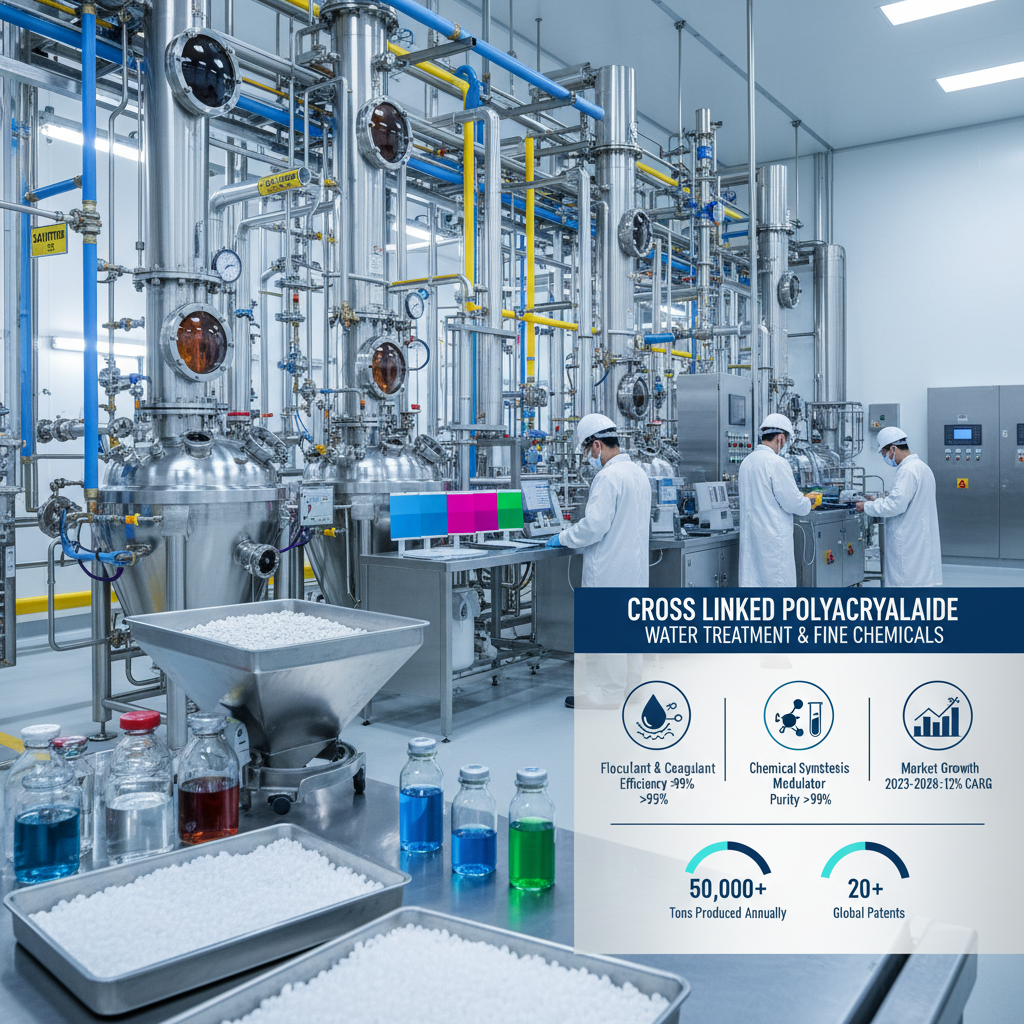
Cross Linked Polyacrylamide Crystals: Product Specifications
The specifications of these crystals can vary based on intended application. Here's a general overview of commonly available grades:
Conclusion: Harnessing the Power of Superabsorbency
Cross linked polyacrylamide crystals represent a powerful and versatile material with a wide range of applications. Their exceptional water absorption capabilities, combined with their safety and cost-effectiveness, make them an invaluable asset across numerous industries. Fizachem is dedicated to providing high-quality, customized solutions to meet your specific needs. Contact us today to learn how these crystals can benefit your operation.
Frequently Asked Questions (FAQs)
Are cross linked polyacrylamide crystals biodegradable?
The biodegradability of these crystals is a complex topic. Traditional polyacrylamide is not readily biodegradable. However, research is ongoing to develop biodegradable versions using renewable resources. The biodegradability largely depends on the specific chemical structure and the degree of cross-linking. While currently not fully biodegradable, responsible disposal and exploring eco-friendly alternatives are crucial. Fizachem is committed to sustainable practices and is actively exploring biodegradable options.
What is the shelf life of these crystals?
When stored correctly in a cool, dry place away from direct sunlight, cross linked polyacrylamide crystals have a long shelf life, generally exceeding two years. However, prolonged exposure to humidity can cause premature hydration. Maintaining proper storage conditions is crucial to preserve their absorbency capacity. Proper packaging also helps in preventing moisture absorption.
Are these crystals safe for use in gardening?
Yes, when used as directed, cross linked polyacrylamide crystals are considered safe for gardening. They are non-toxic to plants and do not leach harmful chemicals into the soil. They are widely used to improve soil water retention and reduce the need for frequent watering. However, it's essential to use a product specifically designed for horticultural applications and to follow the recommended dosage guidelines.
-
Comprehensive Guide to Polyacrylamide Powder Applications and Industrial BenefitsNewsMar.31,2026
-
Understanding Polyacrylamide Charge and its Impact on Industrial ApplicationsNewsMar.28,2026
-
Comprehensive Guide to Cationic Polyacrylamide for Industrial Water Treatment and BeyondNewsMar.26,2026
-
Comprehensive Guide to Polyacrylamide and its CAS Number 9003058 ApplicationsNewsMar.24,2026
-
Comprehensive Guide to Polyacrylamide CAS No 9003058 and Industrial ApplicationsNewsMar.21,2026
-
Comprehensive Overview of Polyacrylamide CAS 9003058 Applications and PropertiesNewsMar.19,2026
-
Comprehensive Guide to Anionic Polyacrylamide Applications and BenefitsNewsMar.17,2026