Comprehensive Guide to Partially Hydrolyzed Polyacrylamide and Its Applications
Partially Hydrolyzed Polyacrylamide: A Comprehensive Guide
Partially Hydrolyzed Polyacrylamide (PHPA) is a versatile polymer widely utilized across numerous industries, including water treatment, oil recovery, agriculture, and mining. Its unique properties allow it to act as a flocculant, thickener, and soil conditioner. This article provides an in-depth look at PHPA, its applications, benefits, and considerations for optimal use. Understanding the nuances of PHPA is crucial for maximizing its effectiveness and achieving desired results. We’ll explore the science behind its functionality and its importance in various industrial processes.
Understanding Partially Hydrolyzed Polyacrylamide
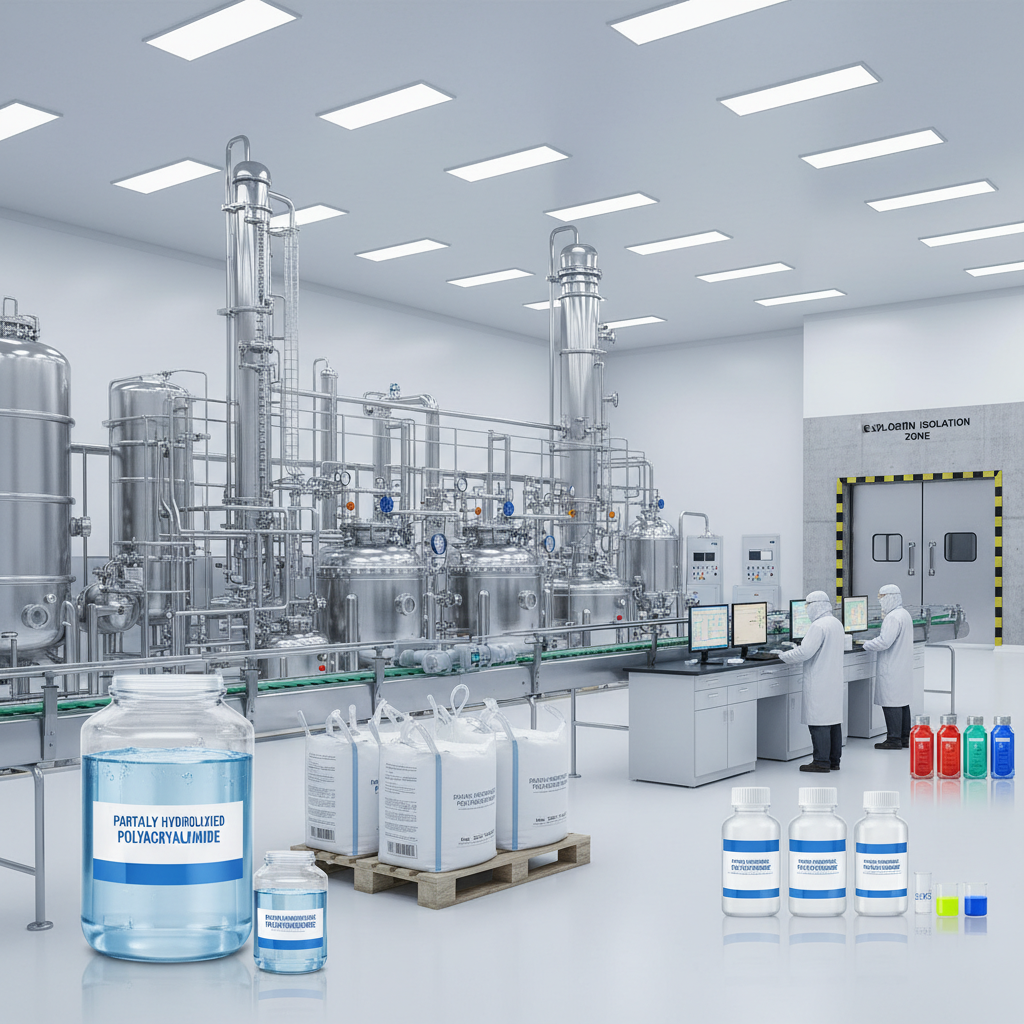
PHPA is a synthetic polymer derived from acrylamide. The “partially hydrolyzed” aspect refers to the process where some of the amide groups (-CONH2) are converted to carboxylate groups (-COO-). This hydrolysis increases the polymer’s water solubility and introduces negative charges, enhancing its flocculation properties. The degree of hydrolysis, molecular weight, and charge density are key factors influencing PHPA's performance. It’s typically supplied as a white to off-white powder, readily soluble in water. Fizachem's PHPA products are specifically engineered to meet diverse industry needs.
Key Characteristics: PHPA exhibits excellent flocculation capabilities, functions as a viscosity modifier, and offers effective soil stabilization. It is widely used due to its cost-effectiveness and versatility.
Applications of Partially Hydrolyzed Polyacrylamide
PHPA finds extensive application in various sectors. In water treatment, it promotes the coagulation and sedimentation of suspended particles, leading to cleaner water. Within the oil and gas industry, it's used as a drag-reducing agent in enhanced oil recovery (EOR) processes. Agriculture benefits from its soil conditioning properties, improving water retention and soil structure. Mining operations utilize PHPA for tailings management and dust control. The versatility of PHPA from Fizachem makes it suitable for complex industrial challenges.
Key Application Areas:
• Wastewater Treatment
• Oil & Gas Industry (EOR)
• Agriculture & Horticulture
• Mining and Mineral Processing
Partially Hydrolyzed Polyacrylamide in Water Treatment
PHPA is a crucial component in wastewater treatment plants, functioning as a highly effective flocculant. It neutralizes the charges of suspended particles, causing them to aggregate and settle out of the water column. This process significantly enhances the efficiency of sedimentation and filtration, resulting in cleaner effluent. Different molecular weights and degrees of hydrolysis are used depending on the type of contaminants present. Utilizing Fizachem’s PHPA provides optimized performance and reduced sludge volume.
Benefits of Using Fizachem's Partially Hydrolyzed Polyacrylamide
Selecting Fizachem’s PHPA offers several key advantages. Our products are rigorously tested for quality and consistency, ensuring optimal performance. We offer customized formulations to meet specific application requirements. Furthermore, we provide technical support and expert guidance to help you maximize the benefits of PHPA. Reduced operating costs, improved process efficiency, and environmentally responsible solutions are just a few of the advantages our clients experience.
Considerations and Safety Precautions
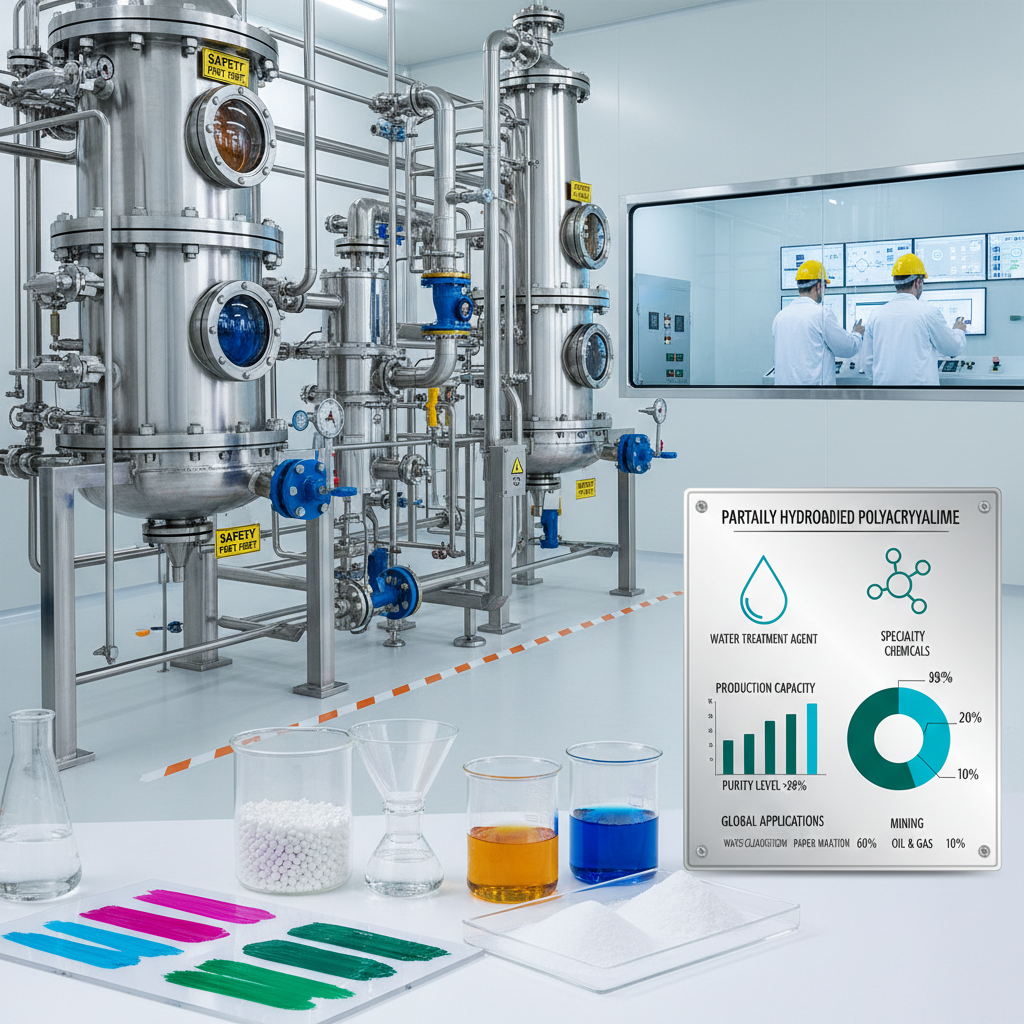
While PHPA is generally considered safe, proper handling and safety precautions are essential. Avoid inhalation of the powder and direct contact with skin and eyes. Use appropriate personal protective equipment (PPE), such as gloves, masks, and safety glasses. Store PHPA in a cool, dry place, away from direct sunlight. Always consult the Material Safety Data Sheet (MSDS) for detailed safety information. Fizachem provides comprehensive safety data and handling guidelines with all of our PHPA products.
Conclusion
Partially Hydrolyzed Polyacrylamide is a powerful and versatile polymer with a broad range of industrial applications. Understanding its properties, applications, and safety considerations is crucial for optimizing its performance and ensuring responsible usage. Fizachem is dedicated to providing high-quality PHPA products and expert technical support to help you achieve your operational goals.
Frequently Asked Questions (FAQs)
What is the optimal dosage of PHPA for wastewater treatment?
The optimal dosage of PHPA for wastewater treatment varies depending on several factors, including the type and concentration of suspended solids, the pH of the water, and the desired level of clarification. Typically, dosages range from 1 to 100 ppm (parts per million). It is crucial to conduct jar tests to determine the most effective dosage for your specific wastewater conditions. Fizachem’s technical team can assist in conducting these tests and recommending the appropriate dosage for your application. Accurate dosage optimization is key to achieving cost-effective and efficient water treatment.
Is PHPA biodegradable?
PHPA is not readily biodegradable. It's a synthetic polymer designed for persistence in certain applications. However, research is ongoing to develop more biodegradable versions. While it doesn't break down quickly in the environment, it’s important to follow proper disposal procedures to minimize potential environmental impact. Proper wastewater treatment processes can significantly reduce the amount of PHPA released into the environment. Fizachem is committed to developing and offering environmentally responsible solutions whenever possible.
What are the key factors affecting PHPA performance?
Several factors can affect PHPA performance, including pH, temperature, salinity, and the presence of other chemicals. Optimal performance is typically achieved within a specific pH range (usually slightly acidic to neutral). High salinity can reduce the effectiveness of PHPA. Temperature also plays a role; lower temperatures may reduce flocculation efficiency. Furthermore, the presence of certain metal ions or organic matter can interfere with PHPA’s functionality. Understanding these factors and adjusting the application conditions accordingly is essential for maximizing performance. Contact Fizachem’s experts for tailored solutions.
How is PHPA different from other flocculants?
PHPA differs from other flocculants, such as alum or ferric chloride, in several ways. PHPA is a polymeric flocculant, meaning it forms large, stable flocs by bridging particles together. Alum and ferric chloride are inorganic coagulants, which neutralize particle charges. PHPA generally produces less sludge volume than inorganic coagulants. It is also effective over a wider pH range. Additionally, PHPA is often more effective at removing fine particles and achieving higher water clarity. Fizachem offers a range of flocculants to meet diverse needs, and our team can help you select the optimal solution for your specific application.
-
Comprehensive Guide to Polyacrylamide Powder Applications and Industrial BenefitsNewsMar.31,2026
-
Understanding Polyacrylamide Charge and its Impact on Industrial ApplicationsNewsMar.28,2026
-
Comprehensive Guide to Cationic Polyacrylamide for Industrial Water Treatment and BeyondNewsMar.26,2026
-
Comprehensive Guide to Polyacrylamide and its CAS Number 9003058 ApplicationsNewsMar.24,2026
-
Comprehensive Guide to Polyacrylamide CAS No 9003058 and Industrial ApplicationsNewsMar.21,2026
-
Comprehensive Overview of Polyacrylamide CAS 9003058 Applications and PropertiesNewsMar.19,2026
-
Comprehensive Guide to Anionic Polyacrylamide Applications and BenefitsNewsMar.17,2026