Understanding Polyacrylamide Charge and its Impact on Industrial Applications
Understanding Polyacrylamide Charge: A Comprehensive Guide
Polyacrylamide (PAM) is a water-soluble polymer widely used in various industrial applications, including wastewater treatment, oil recovery, paper making, and agriculture. A crucial factor determining its effectiveness is its charge – whether it’s anionic, cationic, or non-ionic. The charge of polyacrylamide dictates how it interacts with different substances, influencing its flocculation, thickening, and drag reduction properties. Understanding these characteristics is key to selecting the right PAM for your specific needs. This article will delve into the nuances of polyacrylamide charge, its impact on performance, and how to choose the best product for your application.
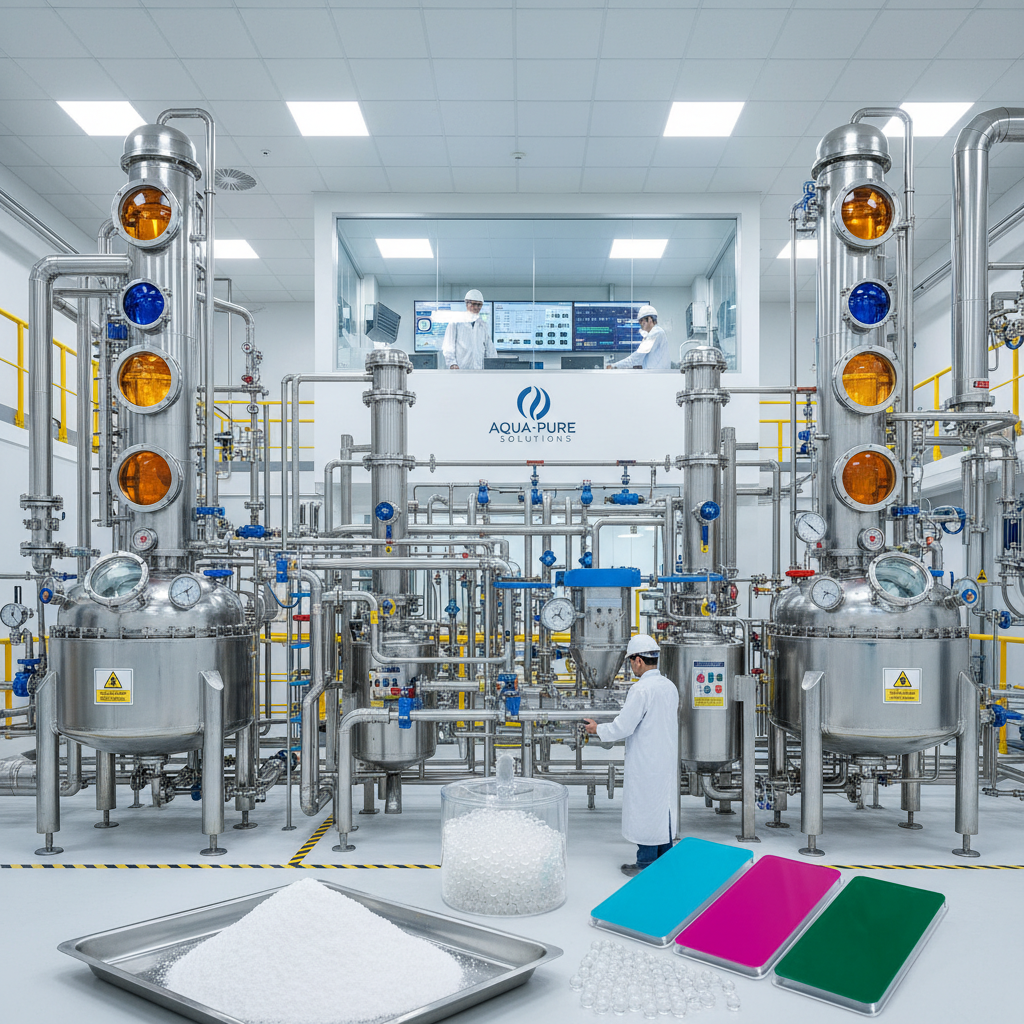
What is Polyacrylamide Charge?
Polyacrylamide itself is a neutral polymer. The charge is introduced through the incorporation of functional groups during its manufacturing process. These groups can be anionic (negatively charged), cationic (positively charged), or the polymer can remain non-ionic (uncharged). The degree of charge is typically quantified as the charge density, measured in milli-equivalents per gram (meq/g). This value indicates the amount of charge present in the polymer. Different charge densities result in varying performance characteristics. Selecting the correct charge is essential for effective application in various industries.
Key Takeaway: Polyacrylamide’s effectiveness is directly linked to its charge, which is determined during the manufacturing process and measured by its charge density (meq/g).
Anionic Polyacrylamide: The Workhorse for Many Applications
Anionic polyacrylamide (APAM) is the most commonly used type, owing to its effectiveness in treating positively charged particles. These particles are often found in wastewater from mining, industrial processes, and municipal sources. APAM works by neutralizing these charges, causing the particles to clump together (flocculate) and settle out of solution. This makes APAM ideal for clarifying water, reducing sludge volume, and improving effluent quality. The negative charge of APAM effectively destabilizes positively charged colloidal suspensions, leading to efficient solid-liquid separation. Fizachem's APAM range caters to a diverse set of wastewater treatment needs.
Anionic PAM Benefits:
• Effective for treating positively charged particles
• Excellent flocculation properties
• Widely used in wastewater treatment
• Cost-effective solution
Cationic Polyacrylamide: Targeting Negatively Charged Suspensions
In contrast to APAM, cationic polyacrylamide (CPAM) is designed to treat negatively charged particles. These are commonly found in textile wastewater, paper mills, and certain types of sludge. CPAM effectively neutralizes these negative charges, promoting flocculation. It’s also particularly useful in dewatering sludge, as the cationic charge helps to bind the particles together, making them easier to filter. CPAM is also utilized in color removal from wastewater, enhancing water clarity. Explore Fizachem's range of CPAM products tailored for specific industrial applications.
Non-Ionic Polyacrylamide: A Versatile Option
Non-ionic polyacrylamide, as the name suggests, carries no electrical charge. It functions primarily as a thickening agent and is often used in applications where charge neutralization is not the primary goal. This includes enhanced oil recovery (EOR), where it increases the viscosity of injected water, improving oil displacement. It's also employed in soil conditioning and paper manufacturing. While not as widely used as anionic or cationic PAM, non-ionic PAM provides unique benefits in specific scenarios.
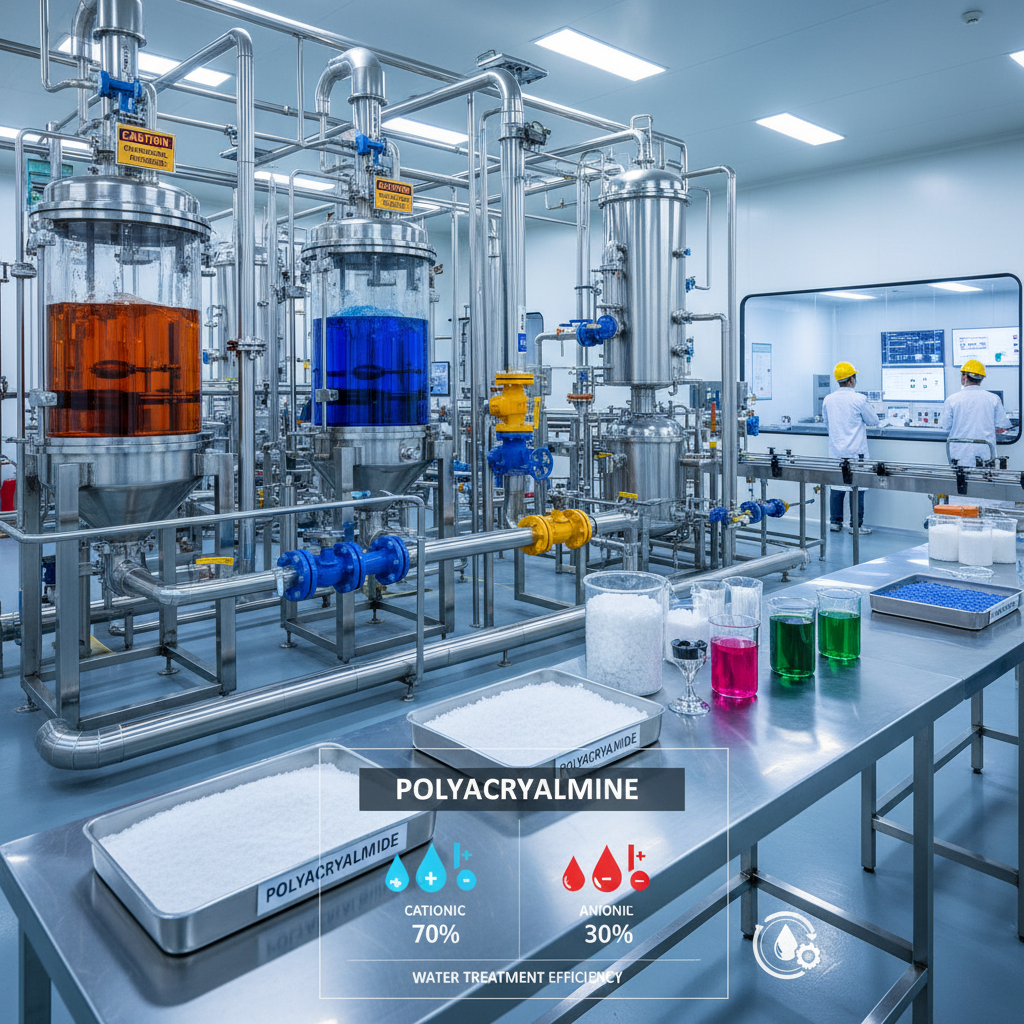
Choosing the Right Polyacrylamide Charge for Your Application
Selecting the appropriate polyacrylamide charge is crucial for achieving optimal results. A simple jar test can help determine the best option for your specific application. This involves adding different types and dosages of PAM to samples of your water or slurry and observing the flocculation performance. Consider the following:
- Charge of the particles: Determine whether the particles you are trying to remove are positively or negatively charged.
- Application requirements: Is flocculation, thickening, or drag reduction your primary goal?
- Water quality: The presence of other ions and contaminants can affect PAM performance.
Partnering with an experienced supplier like Fizachem ensures you receive expert guidance and a tailored solution for your needs.
Conclusion: Optimizing Performance with the Right Polyacrylamide Charge
Understanding polyacrylamide charge – anionic, cationic, and non-ionic – is essential for maximizing its effectiveness in a wide range of industrial applications. By carefully considering the charge of the particles you're treating and your specific application requirements, you can select the optimal PAM for superior performance. Fizachem provides comprehensive solutions and expert support to help you achieve your goals.
Frequently Asked Questions (FAQs)
How is the charge density of polyacrylamide measured?
Charge density is typically measured using potentiometric titration. This involves titrating the PAM solution with a standard acid or base and monitoring the pH change. The endpoint of the titration indicates the amount of charge present in the polymer. The result is expressed in milli-equivalents per gram (meq/g). Different analytical techniques are used depending on the type of PAM (anionic, cationic, or amphoteric). Accurate charge density measurement is crucial for quality control and ensuring consistent performance.
Can polyacrylamide charge be modified after production?
While the primary charge is established during polymerization, it's possible to slightly modify the charge through post-treatment processes. This typically involves adding small amounts of acids or bases to adjust the pH and alter the ionization of the functional groups. However, these adjustments are limited and may not significantly change the overall charge characteristics. For specific charge requirements, it’s best to order a PAM product with the desired charge density directly from the manufacturer.
What factors affect the effectiveness of polyacrylamide charge?
Several factors can influence the effectiveness of polyacrylamide charge, including pH, temperature, salinity, and the presence of other ions in the solution. pH affects the ionization of the functional groups, while temperature can influence the polymer's solubility and conformation. High salinity can screen the charges, reducing the effectiveness of charge neutralization. Careful consideration of these factors is essential for optimizing PAM performance in specific applications. A jar test simulating the actual operating conditions is recommended.
-
Comprehensive Guide to Polyacrylamide Powder Applications and Industrial BenefitsNewsMar.31,2026
-
Comprehensive Guide to Cationic Polyacrylamide for Industrial Water Treatment and BeyondNewsMar.26,2026
-
Comprehensive Guide to Polyacrylamide and its CAS Number 9003058 ApplicationsNewsMar.24,2026
-
Comprehensive Guide to Polyacrylamide CAS No 9003058 and Industrial ApplicationsNewsMar.21,2026
-
Comprehensive Overview of Polyacrylamide CAS 9003058 Applications and PropertiesNewsMar.19,2026
-
Comprehensive Guide to Anionic Polyacrylamide Applications and BenefitsNewsMar.17,2026
-
Comprehensive Guide to Partially Hydrolyzed Polyacrylamide and Its ApplicationsNewsMar.14,2026