Comprehensive Guide to Cationic Polyacrylamide for Industrial Water Treatment and Beyond
Cationic Polyacrylamide: A Comprehensive Guide for Industrial Applications
Cationic polyacrylamide is a versatile polymer widely utilized across numerous industries for its exceptional flocculation, thickening, and stabilization properties. This article will delve into the characteristics, applications, benefits, and key considerations for using cationic polyacrylamide, particularly focusing on its role in water treatment, paper making, and oil recovery. We will explore how Fizachem's cationic polyacrylamide solutions can optimize your industrial processes. Understanding the nuances of this polymer is crucial for maximizing efficiency and cost-effectiveness.
Understanding Cationic Polyacrylamide: Chemistry and Properties
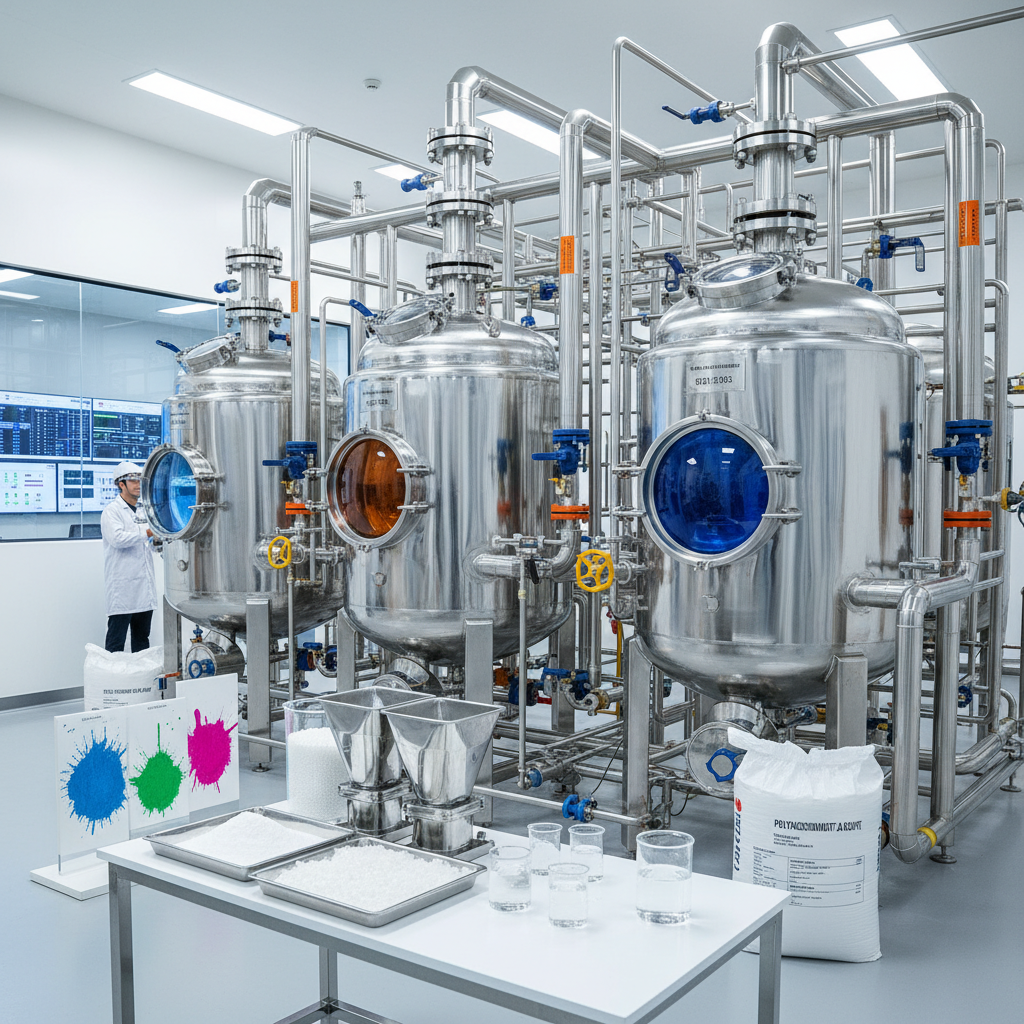
Cationic polyacrylamide is a water-soluble polymer created through the polymerization of acrylamide monomers. The “cationic” designation signifies the presence of positively charged ions within the polymer chain. This positive charge is crucial to its functionality, as it enables the polymer to effectively neutralize negatively charged particles commonly found in various industrial processes. Its molecular weight and charge density are key factors influencing its performance, with higher molecular weights generally leading to more effective flocculation and thickening. Fizachem offers a range of cationic polyacrylamides with tailored molecular weights and charge densities to meet specific application requirements. The polymer is typically supplied in dry, granular or emulsion form for ease of handling and dissolution.
Key Highlights: Cationic polyacrylamide excels in flocculation by neutralizing negative charges, leading to particle aggregation and improved separation. It’s versatile, cost-effective, and applicable across diverse industrial sectors.
Applications of Cationic Polyacrylamide
The applications of cationic polyacrylamide are broad and impactful. In wastewater treatment, it acts as a powerful flocculant, aiding in the removal of suspended solids, reducing turbidity, and improving water clarity. The paper making industry utilizes it as a retention aid, enhancing the retention of fine fibers and fillers, ultimately improving paper quality and reducing material loss. In the oil and gas sector, it's a vital component in enhanced oil recovery (EOR) techniques, increasing viscosity to improve sweep efficiency. Further uses include mining, textile processing, and agriculture, where it serves as a soil conditioner and aids in erosion control.
Application Benefits:
• Enhanced solids separation in wastewater treatment
• Improved paper quality and material retention
• Increased oil recovery efficiency
• Reduced turbidity and improved water clarity
Cationic Polyacrylamide for Water Treatment: Performance Comparison
When selecting a flocculant for water treatment, comparing the performance of different polymers is essential. Cationic polyacrylamide often outperforms other flocculants like alum or ferric chloride, particularly in scenarios with high turbidity and challenging water matrices. Its higher flocculation efficiency leads to lower dosage requirements, reducing treatment costs and minimizing sludge volume. The table below illustrates a performance comparison under typical wastewater conditions.
Selecting the Right Cationic Polyacrylamide Grade
Choosing the appropriate grade of cationic polyacrylamide is critical for optimal performance. Factors to consider include the charge density, molecular weight, and physical form (powder, emulsion). Higher charge density polymers are more effective at neutralizing highly charged particles, while higher molecular weight polymers generally provide stronger floc structures. Fizachem's technical team can assist you in selecting the ideal grade based on your specific application requirements. A jar test, where different polymer dosages are evaluated under controlled conditions, is highly recommended for determining the optimal dosage and grade.

Safety and Handling Precautions
While generally considered safe, cationic polyacrylamide should be handled with care. Avoid inhalation of dust and contact with skin and eyes. Wear appropriate personal protective equipment (PPE), including gloves, safety glasses, and a dust mask, when handling the polymer. Ensure adequate ventilation during mixing and application. Refer to the Safety Data Sheet (SDS) for detailed safety information and handling instructions. Proper storage in a cool, dry place away from direct sunlight is crucial for maintaining product stability.
Conclusion: Optimizing Your Processes with Cationic Polyacrylamide
Cationic polyacrylamide is a powerful and versatile polymer with a wide range of industrial applications. By understanding its properties, applications, and proper selection criteria, you can optimize your processes, reduce costs, and improve efficiency. Fizachem provides high-quality cationic polyacrylamide solutions tailored to your specific needs. Contact our team today for expert guidance and support.
Frequently Asked Questions (FAQs)
What is the optimal dosage of cationic polyacrylamide for wastewater treatment?
The optimal dosage of cationic polyacrylamide varies depending on the specific characteristics of the wastewater, including turbidity, suspended solids concentration, and pH. A jar test is crucial for determining the ideal dosage. Generally, dosages range from 1 to 5 ppm, but may need to be adjusted based on the test results. Overdosing can lead to polymer restacking and reduced efficiency, while underdosing may not provide sufficient flocculation. Fizachem’s technical experts can assist in performing jar tests and interpreting the results.
What is the difference between powder and emulsion cationic polyacrylamide?
Powder cationic polyacrylamide is typically more cost-effective but requires more careful handling to avoid dust generation and ensure complete dissolution. Emulsion cationic polyacrylamide is pre-dissolved in water, making it easier to handle and dissolve, and it offers better dispersion. However, it is generally more expensive. The choice between powder and emulsion depends on your facility's infrastructure, handling capabilities, and budget. Fizachem offers both forms to accommodate diverse requirements.
Can cationic polyacrylamide be used in conjunction with other chemicals?
Yes, cationic polyacrylamide can often be used in combination with other chemicals, such as coagulants like alum or ferric chloride, to enhance flocculation efficiency. In such cases, the coagulant neutralizes the charge of the particles, while the polyacrylamide promotes the formation of larger, stronger flocs. However, compatibility should be carefully evaluated, and the order of addition is important. Fizachem can provide guidance on optimal chemical combinations for your specific application.
-
Comprehensive Guide to Polyacrylamide Powder Applications and Industrial BenefitsNewsMar.31,2026
-
Understanding Polyacrylamide Charge and its Impact on Industrial ApplicationsNewsMar.28,2026
-
Comprehensive Guide to Polyacrylamide and its CAS Number 9003058 ApplicationsNewsMar.24,2026
-
Comprehensive Guide to Polyacrylamide CAS No 9003058 and Industrial ApplicationsNewsMar.21,2026
-
Comprehensive Overview of Polyacrylamide CAS 9003058 Applications and PropertiesNewsMar.19,2026
-
Comprehensive Guide to Anionic Polyacrylamide Applications and BenefitsNewsMar.17,2026
-
Comprehensive Guide to Partially Hydrolyzed Polyacrylamide and Its ApplicationsNewsMar.14,2026