Exploring Dry Polyacrylamide Applications and Benefits Across Industries
Understanding Dry Polyacrylamide: Applications and Benefits
Dry polyacrylamide (PAM) is a versatile water-soluble polymer finding increasing application across numerous industries. Its exceptional flocculation, thickening, and soil conditioning properties make it invaluable in wastewater treatment, agriculture, paper making, and oil recovery. This article provides a comprehensive overview of dry polyacrylamide, detailing its characteristics, diverse applications, and the advantages it offers. Understanding its properties is crucial for optimizing processes and achieving desired outcomes. We’ll explore its role in enhancing efficiency and sustainability.
What is Dry Polyacrylamide?
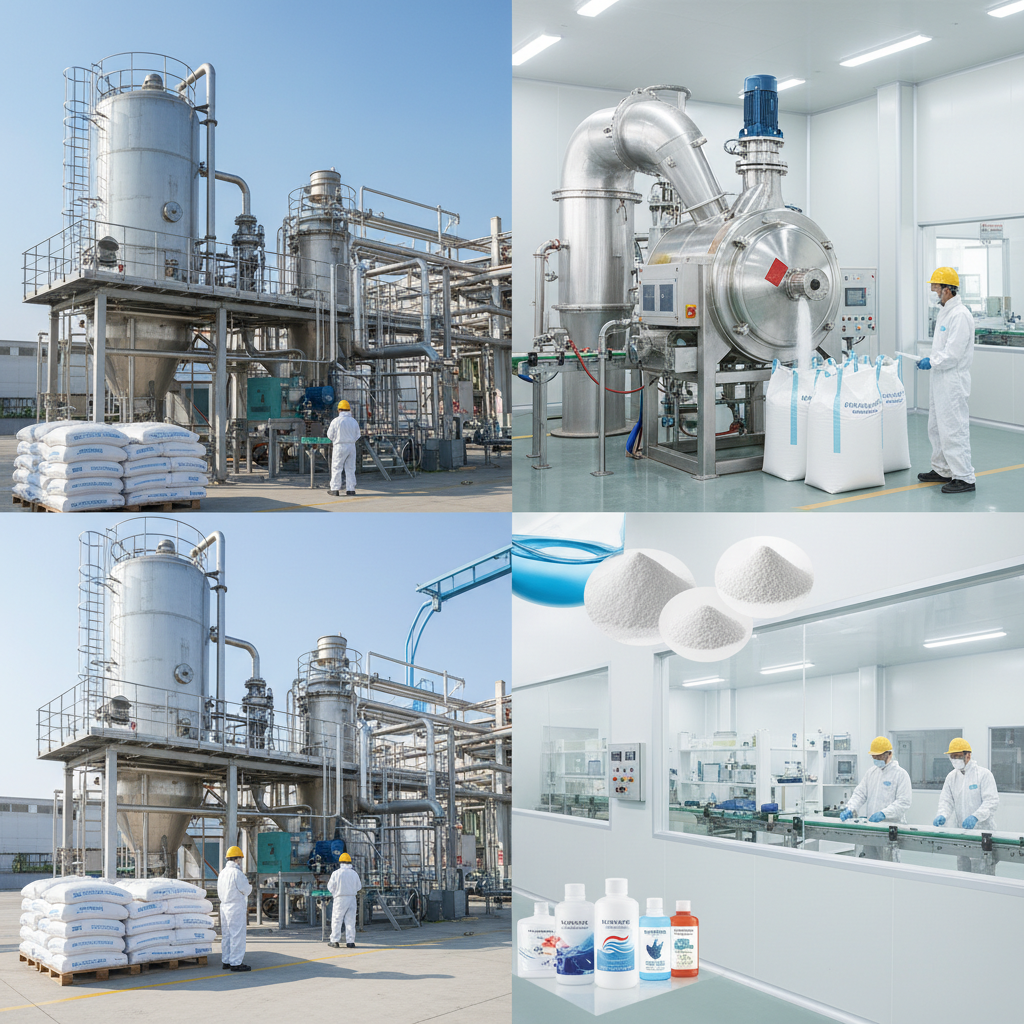
Dry polyacrylamide is a synthetic polymer, typically supplied as a white, odorless powder. It’s produced by polymerizing acrylamide monomers. Crucially, it exists in various forms – anionic, cationic, and non-ionic – each exhibiting distinct properties and suited to different applications. The charge of the polymer influences its interaction with suspended particles. Anionic PAM is most commonly used for wastewater treatment, while cationic PAM is preferred for sludge dewatering. Non-ionic PAM serves as a thickening agent. The molecular weight of the PAM also affects its performance, with higher molecular weights generally offering superior flocculation.
Key Highlights: Dry polyacrylamide is available in anionic, cationic, and non-ionic forms. Molecular weight significantly impacts flocculation performance.
Applications of Dry Polyacrylamide Across Industries
The diverse properties of dry polyacrylamide translate into a broad spectrum of applications. In wastewater treatment, it's used as a flocculant to remove suspended solids. In agriculture, it improves soil structure, enhancing water retention and reducing erosion. The paper industry utilizes PAM for fiber retention and drainage. Oil recovery benefits from its ability to increase viscosity and improve sweep efficiency. Mining operations use it for tailings management and mineral processing. Furthermore, it is also found in cosmetics and personal care products as a thickening and stabilizing agent.
Application Benefits:
• Enhanced solid-liquid separation
• Improved soil structure and water retention
• Increased efficiency in paper production
• Enhanced oil recovery rates
Dry Polyacrylamide for Wastewater Treatment: A Detailed Look
Wastewater treatment represents a significant application area for dry polyacrylamide. Here, it functions as a powerful flocculant, causing small suspended particles to aggregate into larger flocs. These flocs then settle out of the water, leaving behind clarified effluent. Anionic PAM is particularly effective in treating wastewater containing positively charged particles. Proper dosage is critical; too little PAM will result in incomplete flocculation, while too much can lead to restabilization of the flocs. Effective use of PAM in wastewater treatment reduces the load on subsequent treatment processes, such as filtration and disinfection.
Comparing Dry Polyacrylamide with Other Flocculants
While several flocculants are available, dry polyacrylamide often offers advantages in terms of cost-effectiveness and performance. Compared to inorganic flocculants like alum or ferric chloride, PAM typically requires lower dosages and generates less sludge. Furthermore, PAM is effective over a wider pH range. However, it's crucial to consider the specific characteristics of the wastewater or process fluid when selecting a flocculant. Alum, for example, may be more suitable for removing phosphorus. A careful evaluation of these factors ensures optimal results and minimized environmental impact.
Handling and Safety Considerations for Dry Polyacrylamide
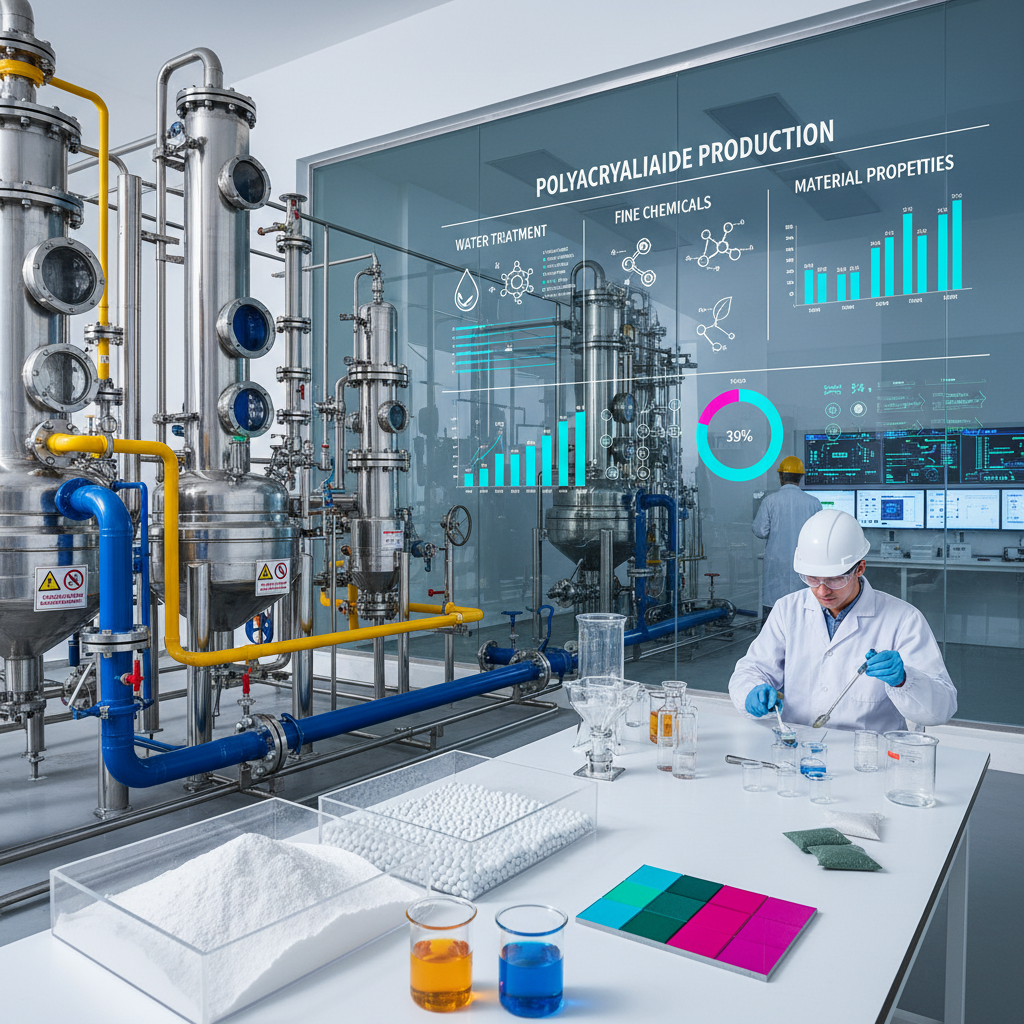
While generally safe when handled properly, dry polyacrylamide requires adherence to specific safety guidelines. Avoid inhaling the dust, as it can cause respiratory irritation. Wear appropriate personal protective equipment (PPE), including gloves, safety glasses, and a dust mask, when handling the powder. Store PAM in a cool, dry place, away from direct sunlight and incompatible materials. Always refer to the Material Safety Data Sheet (MSDS) for detailed information on handling, storage, and emergency procedures. Proper disposal of PAM-containing waste is also essential to minimize environmental impact. You can find more detailed safety information at Fizachem's website.
Conclusion: Optimizing Processes with Dry Polyacrylamide
Dry polyacrylamide is a valuable asset across diverse industries, offering efficient and cost-effective solutions for various applications. From wastewater treatment to agriculture and beyond, its unique properties contribute to improved processes and enhanced sustainability. By understanding its characteristics and following proper handling procedures, you can maximize the benefits of dry polyacrylamide. Choose Fizachem for reliable supply and expert support.
Frequently Asked Questions (FAQs)
What is the best way to dissolve dry polyacrylamide?
Dry polyacrylamide dissolves best in cool or lukewarm water. It's crucial to slowly add the PAM powder to the water while continuously stirring vigorously. Avoid adding water to the powder, as this can cause clumping. A slight vortex is ideal for ensuring complete dissolution. Pre-mixing PAM with a small amount of water to create a slurry can also facilitate easier dispersion. The dissolution rate depends on the molecular weight and type of PAM.
What are the environmental considerations when using dry polyacrylamide?
While PAM itself is generally considered non-toxic, the presence of residual acrylamide monomer is a concern. Reputable suppliers, like Fizachem, ensure that their PAM products contain very low levels of acrylamide, well below regulatory limits. Proper disposal of PAM-containing waste is crucial to prevent environmental contamination. Biodegradability of PAM can vary depending on its molecular weight and structure. Utilizing appropriate dosages and optimizing treatment processes helps minimize environmental impact.
How does the molecular weight of PAM affect its performance?
Higher molecular weight PAM generally exhibits superior flocculation performance, especially for larger particles. This is because longer polymer chains can bridge more particles together, forming stronger flocs. However, very high molecular weight PAM can be more difficult to dissolve and may require higher shear mixing. Lower molecular weight PAM is often used for thickening applications or when dealing with smaller particles. Selecting the appropriate molecular weight depends on the specific application and particle characteristics.
-
Comprehensive Guide to Polyacrylamide Powder Applications and Industrial BenefitsNewsMar.31,2026
-
Understanding Polyacrylamide Charge and its Impact on Industrial ApplicationsNewsMar.28,2026
-
Comprehensive Guide to Cationic Polyacrylamide for Industrial Water Treatment and BeyondNewsMar.26,2026
-
Comprehensive Guide to Polyacrylamide and its CAS Number 9003058 ApplicationsNewsMar.24,2026
-
Comprehensive Guide to Polyacrylamide CAS No 9003058 and Industrial ApplicationsNewsMar.21,2026
-
Comprehensive Overview of Polyacrylamide CAS 9003058 Applications and PropertiesNewsMar.19,2026
-
Comprehensive Guide to Anionic Polyacrylamide Applications and BenefitsNewsMar.17,2026