Exploring Linear Polyacrylamide Applications and Benefits Across Industries
Understanding Linear Polyacrylamide: Applications and Benefits
Linear polyacrylamide (PAM) is a water-soluble polymer widely used across various industries due to its exceptional flocculation, thickening, and stabilization properties. From wastewater treatment to enhanced oil recovery, and agricultural applications, linear polyacrylamide plays a crucial role in optimizing processes and improving efficiency. This article provides an in-depth look at the properties, applications, and benefits of linear PAM, exploring why it’s a preferred choice for professionals globally. Understanding these aspects is key to leveraging its full potential in your specific industry.
What is Linear Polyacrylamide?
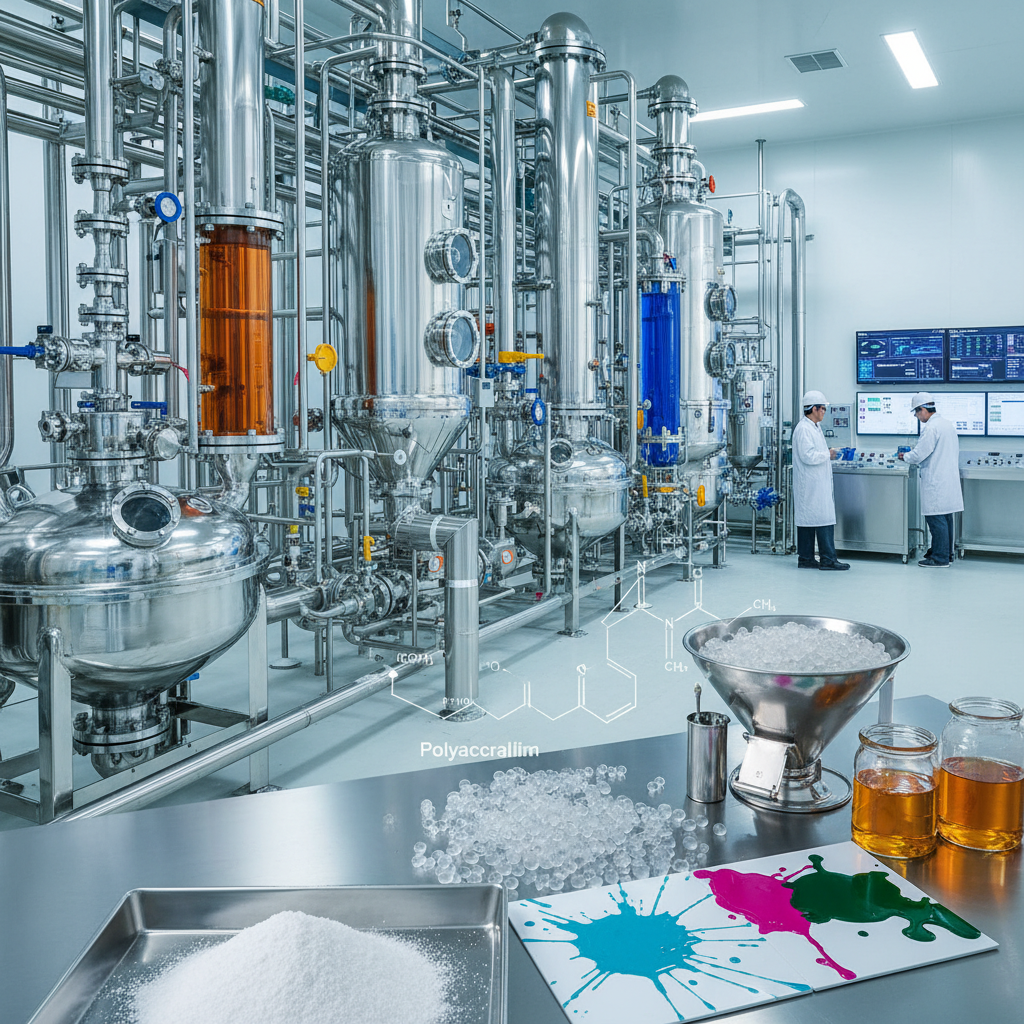
Linear polyacrylamide is a synthetic polymer formed by the polymerization of acrylamide monomers. Its linear structure, high molecular weight, and water solubility contribute to its unique properties. It exists in various forms, including anionic, cationic, and non-ionic, each tailored for specific applications. Anionic PAM is the most commonly used type, especially in wastewater treatment, while cationic PAM is preferred for sludge dewatering. The polymer's effectiveness stems from its ability to neutralize charges and bridge particles, facilitating their aggregation and separation. Fizachem's linear polyacrylamide products are designed to deliver consistent quality and performance.
Key Characteristics: High molecular weight, water solubility, diverse ionic forms (anionic, cationic, non-ionic), excellent flocculation and thickening properties.
Applications of Linear Polyacrylamide Across Industries
The versatility of linear polyacrylamide makes it indispensable in numerous industries. In wastewater treatment, it accelerates the settling of suspended solids, improving water clarity. In the oil and gas sector, it's used in enhanced oil recovery (EOR) to increase oil production by improving sweep efficiency. Agriculture benefits from its ability to improve soil structure, enhance water retention, and reduce erosion. Other significant applications include paper making, mining, and textile processing. The demand for effective and environmentally responsible solutions continues to drive the adoption of linear PAM across these sectors.
Key Application Areas:
• Wastewater Treatment
• Enhanced Oil Recovery (EOR)
• Agriculture & Soil Conditioning
• Paper Making
Linear Polyacrylamide for Wastewater Treatment: A Detailed Look
In wastewater treatment, linear polyacrylamide acts as a highly effective flocculant. It neutralizes the negative charges of suspended particles, causing them to aggregate into larger, heavier flocs. These flocs then settle more rapidly, enabling efficient separation from the water. Using PAM significantly reduces turbidity and improves the overall quality of treated water. The dosage of PAM is crucial and depends on the type of wastewater and the concentration of suspended solids. Optimizing the dosage ensures maximum flocculation and minimizes chemical costs.
Choosing the Right Linear Polyacrylamide Grade
Selecting the appropriate grade of linear polyacrylamide is crucial for optimal performance. Consider the following factors: ionic charge (anionic, cationic, or non-ionic), molecular weight, and degree of hydrolysis. Anionic PAM is suitable for most wastewater treatment applications, while cationic PAM is effective for dewatering sludge with negatively charged particles. Higher molecular weight PAM generally provides better flocculation, but may require higher shear mixing for dissolution. The degree of hydrolysis influences the polymer’s charge density and its ability to bind to particles. Consulting with a chemical supplier like Fizachem can help you identify the ideal grade for your specific needs.
Safety Considerations and Handling
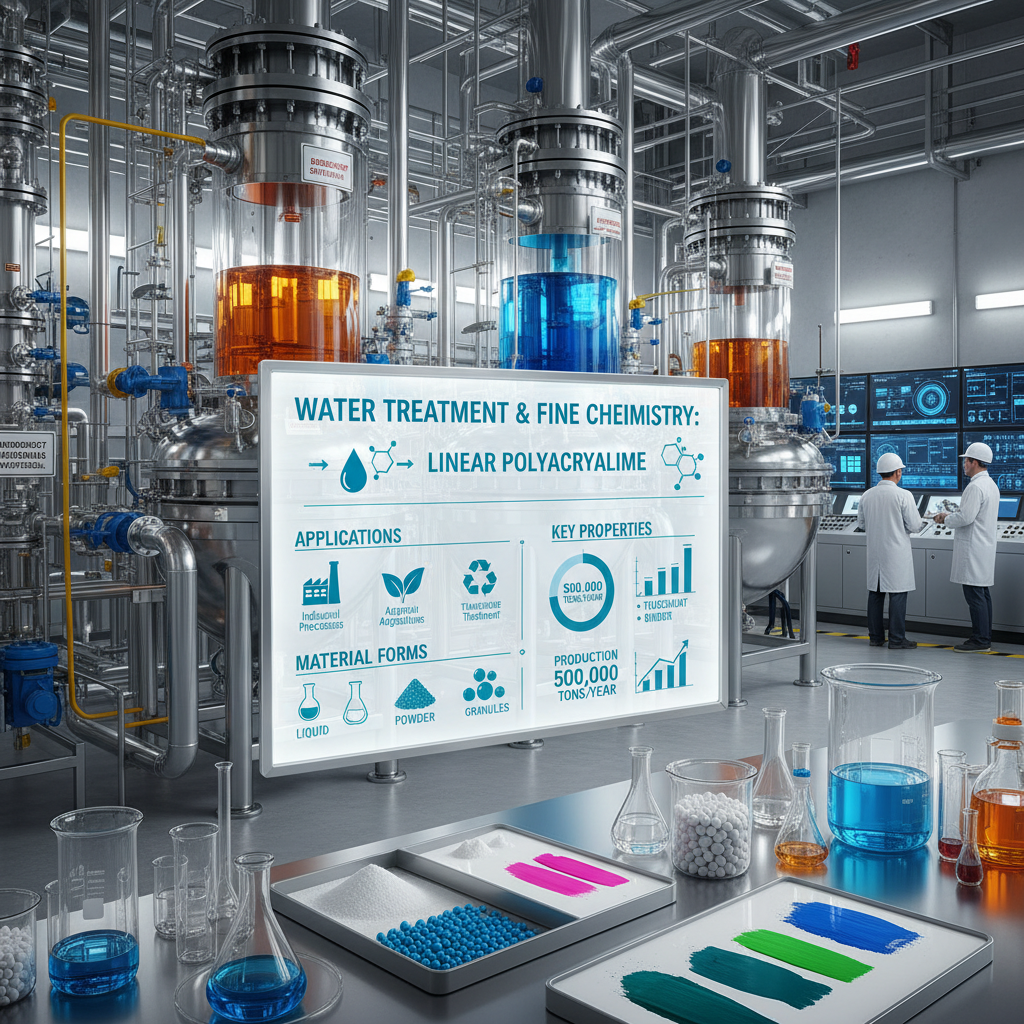
While generally considered safe, linear polyacrylamide should be handled with appropriate care. Avoid inhalation of dust and contact with skin and eyes. Wear appropriate personal protective equipment (PPE) such as gloves, goggles, and a dust mask when handling the product. Refer to the Safety Data Sheet (SDS) for detailed safety information and handling instructions. Proper storage in a cool, dry place away from direct sunlight is essential to maintain product quality. Always follow local regulations regarding the disposal of PAM and its solutions.
Conclusion: Leveraging the Power of Linear Polyacrylamide
Linear polyacrylamide is a versatile and effective polymer with a wide range of applications across various industries. By understanding its properties, applications, and safety considerations, you can leverage its full potential to optimize processes, improve efficiency, and achieve sustainable results. Fizachem is committed to providing high-quality linear PAM products and expert support to help you succeed.
Frequently Asked Questions (FAQs)
What is the difference between anionic, cationic, and non-ionic polyacrylamide?
The difference lies in their charge. Anionic PAM carries a negative charge, making it ideal for treating positively charged particles commonly found in wastewater. Cationic PAM has a positive charge, effectively flocculating negatively charged particles like those found in sludge dewatering. Non-ionic PAM is neutral and used in applications where charge neutralization is not the primary mechanism, such as paper making or as a thickener. Choosing the correct ionic type is critical for achieving optimal flocculation and separation.
How do I determine the correct dosage of linear polyacrylamide?
Determining the correct dosage requires careful consideration of several factors, including the type of application, the concentration of suspended solids, the water chemistry, and the desired level of treatment. Jar tests are commonly used to optimize the dosage. These tests involve adding varying amounts of PAM to samples of the water and observing the flocculation performance. A chemical supplier like Fizachem can provide guidance and support in determining the optimal dosage for your specific application.
Is linear polyacrylamide environmentally friendly?
Linear polyacrylamide itself is generally considered to have a relatively low environmental impact when used responsibly. It’s a highly effective treatment solution, reducing the need for other, potentially more harmful chemicals. However, it's crucial to follow proper handling and disposal procedures to minimize any potential environmental concerns. Fizachem offers PAM products that meet stringent environmental standards and can provide guidance on sustainable usage practices.
What is the shelf life of linear polyacrylamide?
The shelf life of linear polyacrylamide typically ranges from 2 to 3 years when stored in a cool, dry place away from direct sunlight. Proper storage is essential to prevent degradation and maintain product performance. It’s advisable to check the product’s packaging for specific shelf life information and to inspect the product for any signs of clumping or discoloration before use.
-
Comprehensive Guide to Polyacrylamide Powder Applications and Industrial BenefitsNewsMar.31,2026
-
Understanding Polyacrylamide Charge and its Impact on Industrial ApplicationsNewsMar.28,2026
-
Comprehensive Guide to Cationic Polyacrylamide for Industrial Water Treatment and BeyondNewsMar.26,2026
-
Comprehensive Guide to Polyacrylamide and its CAS Number 9003058 ApplicationsNewsMar.24,2026
-
Comprehensive Guide to Polyacrylamide CAS No 9003058 and Industrial ApplicationsNewsMar.21,2026
-
Comprehensive Overview of Polyacrylamide CAS 9003058 Applications and PropertiesNewsMar.19,2026
-
Comprehensive Guide to Anionic Polyacrylamide Applications and BenefitsNewsMar.17,2026