Exploring the Versatile Applications of Polyacrylamide in Water Treatment and Beyond
Polyacrylamide in Water: Applications and Considerations
Polyacrylamide (PAM) is a water-soluble polymer with a wide range of applications, particularly in water treatment and enhanced oil recovery. Its ability to modify water properties—such as viscosity and flocculation—makes it a valuable tool in various industrial processes. Understanding the characteristics and applications of polyacrylamide in water is crucial for optimizing its use and ensuring effective results. This article delves into its properties, uses, and important considerations for handling and application.
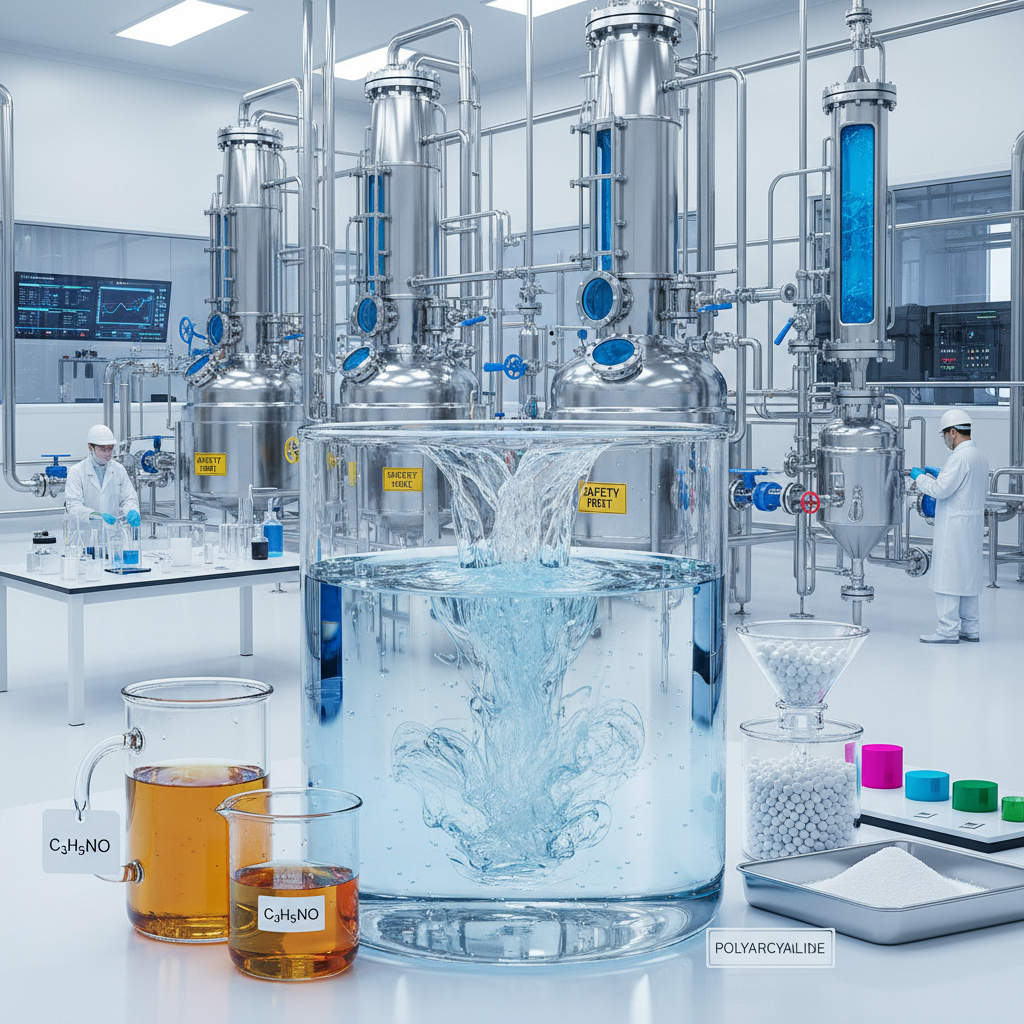
Understanding Polyacrylamide’s Properties in Aqueous Solutions
Polyacrylamide exists in various forms—anionic, cationic, and non-ionic—each exhibiting unique characteristics when dissolved in water. Its molecular weight also plays a significant role, influencing its performance in different applications. The polymer's effectiveness lies in its ability to adsorb onto particles in water, causing them to aggregate and settle out, a process known as flocculation. The degree of hydrolysis affects the charge density of the polymer, further influencing its interaction with suspended solids. Fizachem's polyacrylamide products are designed to provide optimal performance across a broad range of water conditions.
Key Highlights: Polyacrylamide’s versatility stems from its ability to modify water properties, inducing flocculation and improving separation processes.
Key Applications of Polyacrylamide in Water Treatment
The primary use of polyacrylamide in water treatment is as a flocculant. It aids in the removal of suspended solids from wastewater, making the water cleaner and safer for discharge or reuse. This is critical in municipal wastewater treatment plants, industrial effluent treatment, and drinking water purification. Beyond this, PAM is utilized in sludge dewatering, reducing the volume of sludge that needs to be disposed of. Its efficiency in these applications translates into cost savings and environmental benefits. It’s also used in paper manufacturing to improve drainage and retention of fibers.
Application Benefits:
• Improved water clarity and quality
• Reduced sludge volume
• Enhanced separation of solids
• Cost-effective treatment solution
Polyacrylamide in Enhanced Oil Recovery (EOR)
Beyond water treatment, polyacrylamide plays a vital role in enhanced oil recovery. By increasing the viscosity of the injected water, PAM improves the sweep efficiency of the oil displacement process, pushing more oil towards the production wells. This is particularly effective in heterogeneous reservoirs where water tends to bypass significant portions of the oil. The choice of PAM molecular weight and hydrolysis degree is critical for achieving optimal viscosity and preventing polymer degradation in harsh reservoir conditions. Fizachem offers specialized PAM polymers tailored for EOR applications.
Considerations for Handling and Application of Polyacrylamide
While polyacrylamide is generally safe when handled properly, certain precautions should be taken. Dry PAM powder can be irritating to the respiratory system and skin, so it's crucial to wear appropriate personal protective equipment (PPE) such as dust masks and gloves. When preparing solutions, ensure adequate ventilation and avoid creating dust. Proper mixing is essential for complete dissolution and optimal performance. Furthermore, storage conditions—cool, dry, and away from direct sunlight—are vital for maintaining the polymer's stability and effectiveness. Always refer to the Safety Data Sheet (SDS) for detailed handling and safety information.
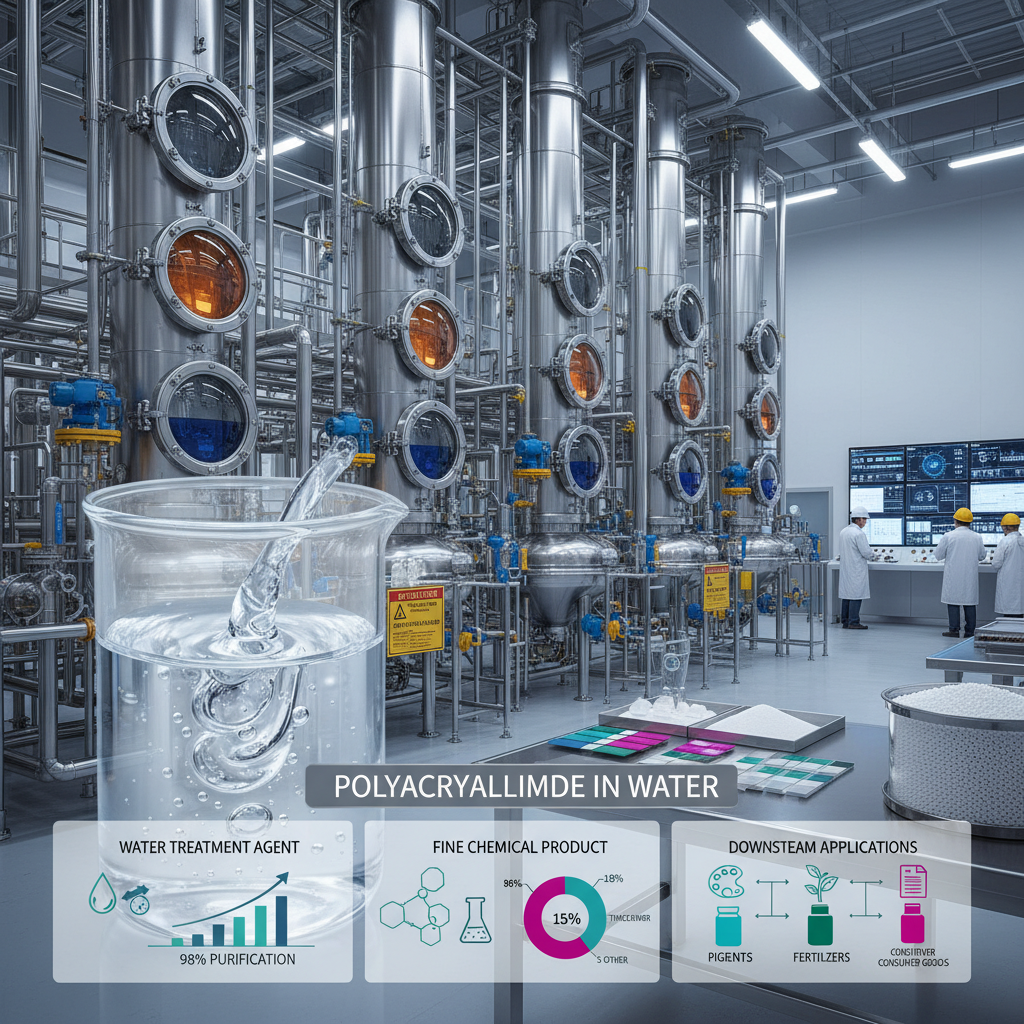
Choosing the Right Polyacrylamide for Your Application
Selecting the appropriate polyacrylamide grade is paramount for achieving desired results. Factors such as water chemistry (pH, salinity, turbidity), the type of suspended solids, and the specific application requirements must be considered. Fizachem provides expert technical support to help customers identify the optimal PAM solution for their unique needs. We offer a comprehensive range of polyacrylamide products and can tailor formulations to meet specific performance criteria. Contact us today to discuss your application and find the perfect PAM solution.
Conclusion: Optimizing Water Treatment and Recovery with Polyacrylamide
Polyacrylamide is an indispensable tool for improving water quality and enhancing oil recovery. Its versatile properties and broad range of applications make it a crucial component in numerous industrial processes. By understanding its characteristics and employing proper handling techniques, businesses can maximize its effectiveness and achieve significant cost savings. Fizachem is committed to providing high-quality polyacrylamide solutions and expert technical support to help our customers succeed.
Frequently Asked Questions (FAQs)
What is the optimal dosage of polyacrylamide for wastewater treatment?
The optimal dosage of polyacrylamide varies depending on several factors, including the type and concentration of suspended solids, the water's pH and temperature, and the desired level of clarity. A jar test is commonly used to determine the most effective dosage for a specific wastewater sample. This involves adding different concentrations of PAM to individual samples and observing the rate and extent of flocculation. Generally, dosages range from 1 to 10 ppm, but it’s critical to optimize based on site-specific conditions. Overdosing can lead to polymer carryover and increased costs, while underdosing may not achieve the desired level of treatment.
Is polyacrylamide biodegradable?
The biodegradability of polyacrylamide is a complex topic. While PAM itself is not readily biodegradable, some modified forms, particularly those with lower molecular weights and a higher degree of hydrolysis, exhibit some level of biodegradation under specific environmental conditions. However, the biodegradation process is slow and often incomplete. Research is ongoing to develop more readily biodegradable PAM alternatives. Responsible disposal practices are crucial to minimize the environmental impact of PAM-containing wastewater.
What are the potential environmental concerns associated with polyacrylamide use?
The primary environmental concern with polyacrylamide is the potential for residual monomer (acrylamide) contamination. Acrylamide is a neurotoxin and a potential carcinogen. However, commercially available PAM products typically contain very low levels of residual acrylamide, well below regulatory limits. Proper handling and application practices can further minimize this risk. The potential impact on aquatic organisms is also a consideration, but PAM is generally considered to have low toxicity to aquatic life at typical usage concentrations.
-
Comprehensive Guide to Polyacrylamide Powder Applications and Industrial BenefitsNewsMar.31,2026
-
Understanding Polyacrylamide Charge and its Impact on Industrial ApplicationsNewsMar.28,2026
-
Comprehensive Guide to Cationic Polyacrylamide for Industrial Water Treatment and BeyondNewsMar.26,2026
-
Comprehensive Guide to Polyacrylamide and its CAS Number 9003058 ApplicationsNewsMar.24,2026
-
Comprehensive Guide to Polyacrylamide CAS No 9003058 and Industrial ApplicationsNewsMar.21,2026
-
Comprehensive Overview of Polyacrylamide CAS 9003058 Applications and PropertiesNewsMar.19,2026
-
Comprehensive Guide to Anionic Polyacrylamide Applications and BenefitsNewsMar.17,2026