OEM Anionic Polyacrylamide Solutions for Enhanced Industrial Processes
OEM Anionic Polyacrylamide: A Comprehensive Guide
Anionic polyacrylamide (APAM) is a versatile water-soluble polymer widely used across numerous industrial applications. This article provides a detailed overview of OEM anionic polyacrylamide, its properties, applications, and benefits, specifically focusing on how Fizachem provides tailored solutions. Understanding the nuances of APAM allows businesses to optimize their processes and achieve superior results. We’ll explore the key characteristics that make it invaluable for industries like wastewater treatment, mining, and paper making.
Understanding Anionic Polyacrylamide (APAM)
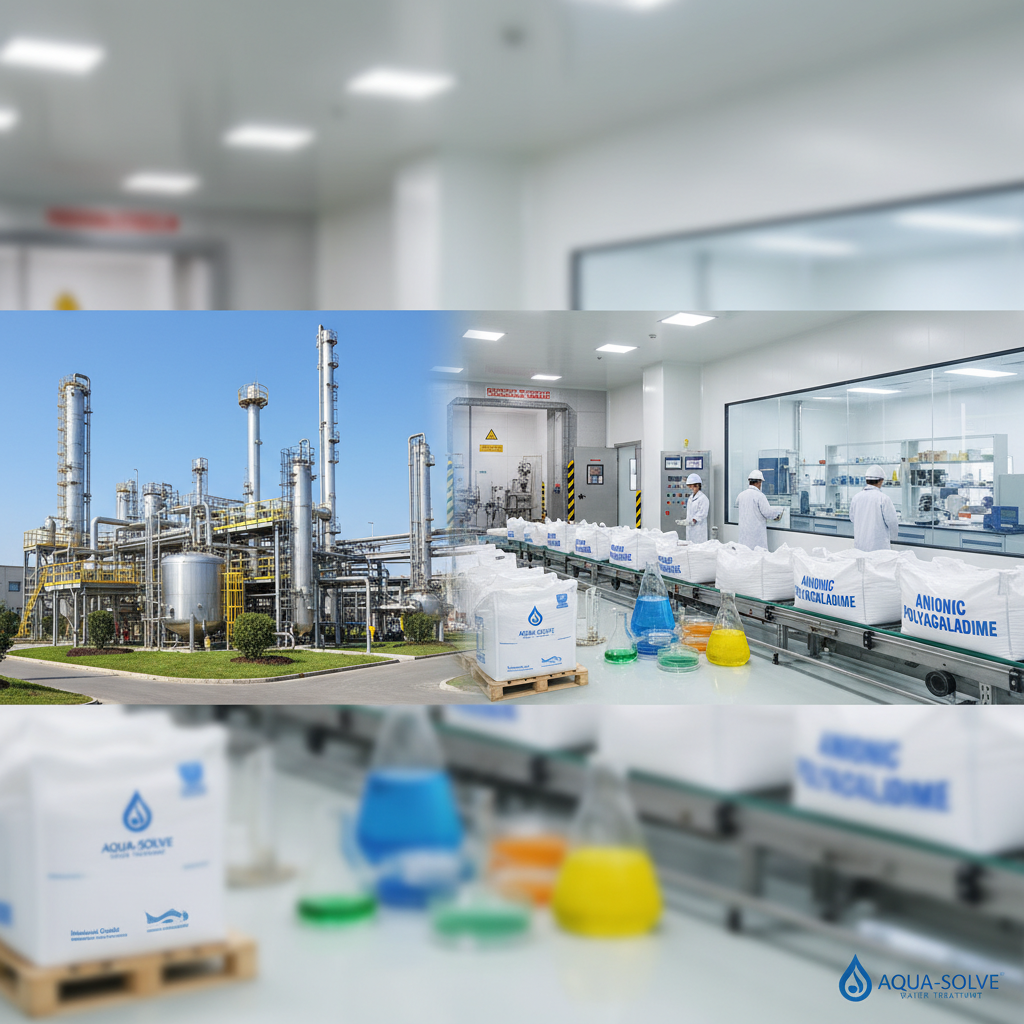
Anionic polyacrylamide is a synthetic polymer produced by the polymerization of acrylamide monomers, containing anionic functional groups. These anionic charges create a powerful flocculating agent, enabling the efficient removal of suspended solids from liquids. The molecular weight and charge density of APAM can be customized to suit specific applications, making it an incredibly adaptable solution. Its effectiveness stems from its ability to neutralize surface charges on particles, causing them to aggregate and settle out of solution. The purity and consistency of Fizachem’s OEM APAM are carefully controlled to ensure optimal performance.
Key Highlights: Anionic polyacrylamide’s negative charge effectively neutralizes the positive charges on particles, promoting flocculation and sedimentation. Its versatility makes it suitable for diverse industrial applications.
Key Applications of OEM Anionic Polyacrylamide
The applications of APAM are extensive. In wastewater treatment, it’s crucial for clarifying effluent and reducing sludge volume. Mining operations utilize APAM for tailings management and mineral processing. The paper making industry employs it as a retention aid, improving paper quality and reducing fiber loss. Furthermore, APAM finds uses in agriculture for soil conditioning, and in the textile industry for dye fixation. Fizachem’s OEM services cater to these varied industries, offering customized APAM formulations.
Application Benefits:
• Enhanced solid-liquid separation
• Reduced sludge volume
• Improved water clarity
• Increased process efficiency
OEM Anionic Polyacrylamide vs. Alternatives: A Comparison
Compared to alternative flocculants like alum or ferric chloride, APAM often demonstrates superior performance at lower dosages. While inorganic coagulants can produce large, dense flocs, they also generate significant sludge volumes. APAM, particularly when customized through Fizachem’s OEM manufacturing, allows for precise control over floc characteristics and minimizes sludge production. Furthermore, APAM is generally more effective in treating a wider range of water types and can perform well over a broader pH range.
Fizachem’s OEM Capabilities for Anionic Polyacrylamide
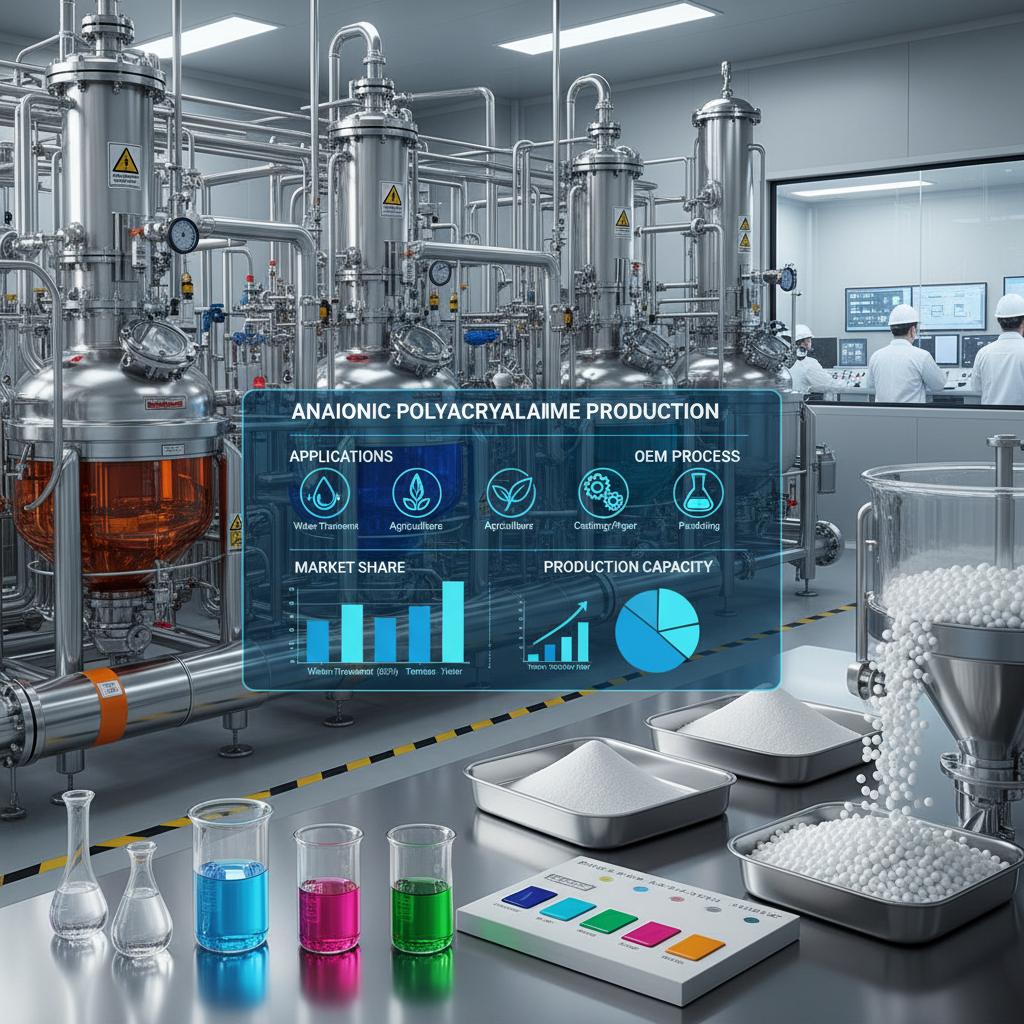
At Fizachem, we specialize in providing tailored OEM anionic polyacrylamide solutions. We work closely with our clients to understand their specific application requirements and formulate APAM products with optimized molecular weight, charge density, and viscosity. Our state-of-the-art manufacturing facilities, rigorous quality control processes, and experienced technical team ensure consistent product performance and reliability. We offer private labeling, custom packaging, and flexible production runs to meet diverse business needs.
Choosing the Right APAM Grade: Key Considerations
Selecting the appropriate grade of APAM is crucial for maximizing its effectiveness. Factors to consider include the type of suspended solids being removed, the pH of the solution, the desired floc size, and the overall process conditions. Fizachem’s technical experts can provide guidance on selecting the optimal APAM grade for your specific application. We also offer jar testing services to help determine the most effective dosage and formulation. Understanding your system’s needs is paramount.
Conclusion: Optimizing Your Processes with Fizachem’s OEM APAM
Choosing the right OEM anionic polyacrylamide from a reputable supplier like Fizachem is an investment in efficiency and performance. Our commitment to quality, customization, and technical support ensures that you receive a solution perfectly tailored to your needs. Contact us today to discuss your application and discover how we can help you optimize your processes and achieve superior results.
Frequently Asked Questions (FAQs)
What is the typical shelf life of Anionic Polyacrylamide?
Typically, Anionic Polyacrylamide has a shelf life of approximately two years when stored properly in a cool, dry environment, away from direct sunlight. However, it's always best to check the specific product's Certificate of Analysis (COA) for the manufacturer’s recommendations. Degradation can occur over time, leading to reduced effectiveness. Proper storage is crucial to maintaining the polymer's integrity. Fizachem provides clear storage guidelines with all of its products.
Can I dilute Anionic Polyacrylamide for easier handling?
Yes, APAM is typically supplied as a concentrated dry powder and requires dilution with water before use. It's crucial to follow the recommended dilution ratio provided by the manufacturer (Fizachem) to ensure optimal performance and prevent issues like incomplete dissolution or reduced effectiveness. Using demineralized or softened water is recommended to avoid interference from ions that may affect flocculation. Always add the polymer to the water, not the other way around, to prevent clumping.
What safety precautions should I take when handling Anionic Polyacrylamide?
While generally considered non-toxic, Anionic Polyacrylamide can cause irritation to the skin, eyes, and respiratory tract. It is essential to wear appropriate personal protective equipment (PPE), including gloves, safety glasses, and a dust mask, when handling the powder. Avoid inhalation of dust and ensure adequate ventilation in the work area. In case of contact, rinse thoroughly with water. Always consult the Safety Data Sheet (SDS) for detailed safety information.
Does Fizachem offer technical support for APAM application?
Absolutely! Fizachem provides comprehensive technical support to assist our customers with APAM application. Our team of experienced chemists and engineers can offer guidance on dosage optimization, formulation development, and troubleshooting. We also offer jar testing services to determine the most effective treatment protocol for your specific needs. We are committed to ensuring your success with our products.
-
Comprehensive Guide to Polyacrylamide Powder Applications and Industrial BenefitsNewsMar.31,2026
-
Understanding Polyacrylamide Charge and its Impact on Industrial ApplicationsNewsMar.28,2026
-
Comprehensive Guide to Cationic Polyacrylamide for Industrial Water Treatment and BeyondNewsMar.26,2026
-
Comprehensive Guide to Polyacrylamide and its CAS Number 9003058 ApplicationsNewsMar.24,2026
-
Comprehensive Guide to Polyacrylamide CAS No 9003058 and Industrial ApplicationsNewsMar.21,2026
-
Comprehensive Overview of Polyacrylamide CAS 9003058 Applications and PropertiesNewsMar.19,2026
-
Comprehensive Guide to Anionic Polyacrylamide Applications and BenefitsNewsMar.17,2026