Understanding the Significance of Polyacrylamide Molecular Weight for Optimal Performance
Understanding the Molecular Weight of Polyacrylamide
Polyacrylamide (PAM) is a water-soluble polymer with a vast range of applications across various industries, including water treatment, oil recovery, paper making, and agriculture. A crucial property governing its performance is its molecular weight. This article explores the intricacies of polyacrylamide molecular weight, its impact on application effectiveness, different measurement techniques, and the role of Fizachem in providing high-quality PAM products. Understanding the nuances of molecular weight is essential for optimizing PAM usage and achieving desired results.
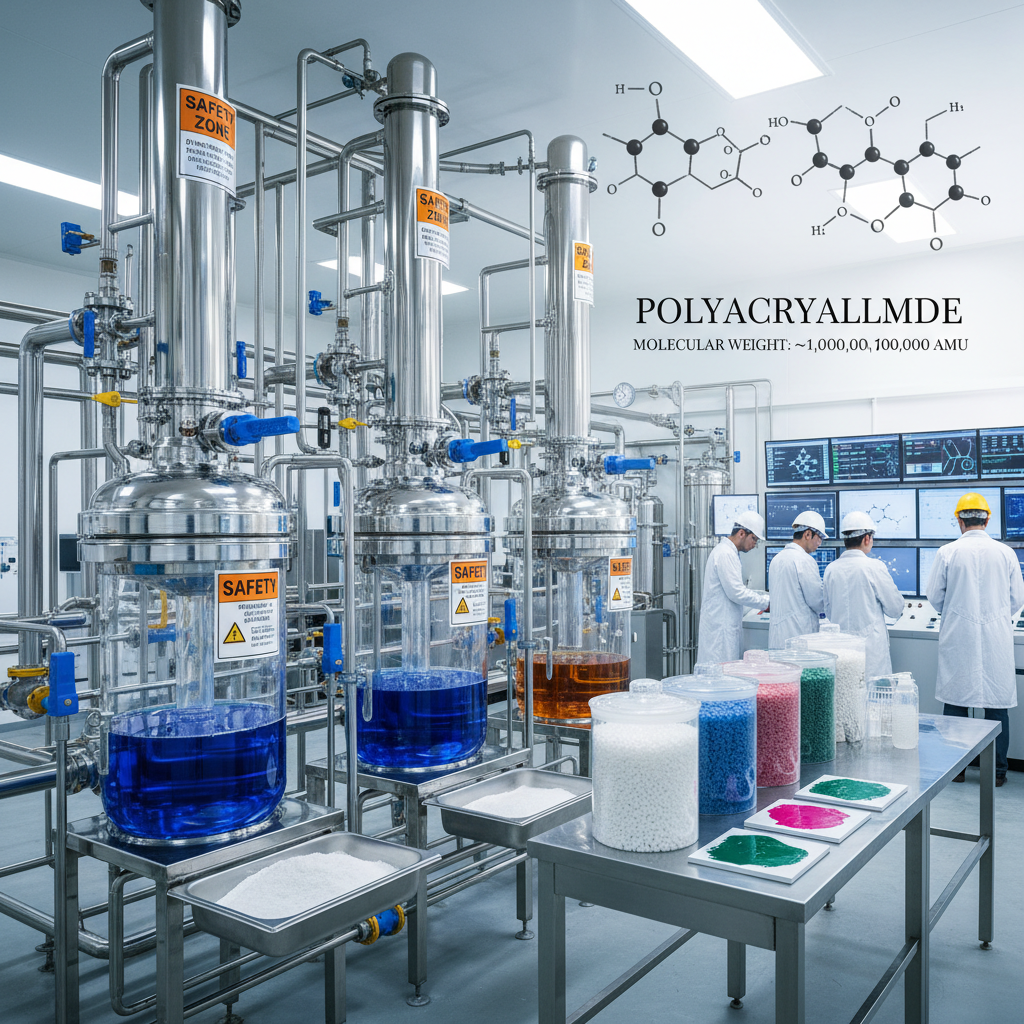
What is Molecular Weight and Why Does it Matter?
Molecular weight refers to the sum of the atomic weights of all the atoms in a molecule. For polymers like polyacrylamide, it's often expressed as an average molecular weight because polymer chains aren't all the same length. The molecular weight is typically measured in Daltons (Da) or grams per mole (g/mol). In the context of polyacrylamide, the molecular weight significantly influences its viscosity, solubility, flocculation efficiency, and overall performance. Higher molecular weights generally lead to increased viscosity and improved flocculation, but also reduced solubility in certain conditions. Choosing the appropriate molecular weight is therefore critical for specific applications.
Key Takeaway: Molecular weight dictates polyacrylamide’s behavior in solution, influencing its ability to perform effectively in various applications. Selecting the correct molecular weight optimizes efficiency and cost-effectiveness.
Molecular Weight Ranges and Their Applications
Polyacrylamide is available in a wide range of molecular weights, generally categorized as low, medium, and high. Low molecular weight PAM (typically 15 million Da) finds application in soil conditioning, enhancing seed germination, and reducing erosion. Fizachem offers a diverse portfolio of PAM products with tailored molecular weight distributions to meet specific industrial needs.
Techniques for Measuring Polyacrylamide Molecular Weight
Several techniques are employed to determine the molecular weight of polyacrylamide. Size Exclusion Chromatography (SEC), also known as Gel Permeation Chromatography (GPC), is a widely used method that separates polymer chains based on their size. Viscometry measures the viscosity of a PAM solution, which is directly related to its molecular weight. Light Scattering techniques, such as Multi-Angle Light Scattering (MALS), provide accurate and absolute molecular weight measurements. Each method has its advantages and limitations, and often a combination of techniques is used for comprehensive characterization. Fizachem utilizes advanced analytical techniques to ensure consistent product quality and accurate molecular weight specifications.
Molecular Weight Measurement Techniques:
• Size Exclusion Chromatography (SEC/GPC)
• Viscometry
• Multi-Angle Light Scattering (MALS)
Comparison of Polyacrylamide Molecular Weights and Applications
The following table summarizes the typical molecular weight ranges for different polyacrylamide applications:
Fizachem's Commitment to Quality and Consistency
At Fizachem, we understand the critical role of consistent molecular weight in polyacrylamide performance. We employ stringent quality control measures throughout the manufacturing process, utilizing advanced analytical techniques to ensure our products meet the highest standards. We offer customized PAM solutions tailored to your specific application requirements. Contact us today to discuss your needs and discover how Fizachem can help you optimize your processes and achieve superior results.
Conclusion: Optimizing Performance Through Molecular Weight Control
Understanding and controlling the molecular weight of polyacrylamide is paramount for achieving optimal results in a wide range of applications. By choosing a reputable supplier like Fizachem, you can ensure consistent product quality and tailored solutions to meet your specific needs. Don’t compromise on performance – prioritize molecular weight control for maximized efficiency and cost-effectiveness.
Frequently Asked Questions (FAQs)
What factors can influence the actual molecular weight of polyacrylamide in a solution?
Several factors can affect the apparent molecular weight of polyacrylamide in solution. Shear forces during mixing or pumping can cause chain scission, reducing the molecular weight. The presence of salts or other ions can influence chain conformation and affect viscosity measurements. Temperature also plays a role, as higher temperatures can promote chain degradation. Furthermore, the method used for molecular weight determination can yield different results. Therefore, it’s crucial to control these parameters and use standardized methods for accurate comparison. Fizachem provides detailed technical support to help customers optimize their PAM usage.
How does the degree of hydrolysis affect the molecular weight requirements for flocculation?
The degree of hydrolysis refers to the percentage of amide groups in polyacrylamide that have been converted to carboxylate groups. Higher degrees of hydrolysis create a more negatively charged polymer, increasing its effectiveness in neutralizing and flocculating positively charged particles. Generally, for highly charged suspensions, lower molecular weight PAM with a high degree of hydrolysis is sufficient. For less charged suspensions, higher molecular weight PAM may be needed to bridge the particles effectively. The optimal molecular weight depends on the specific characteristics of the suspension.
Can polyacrylamide molecular weight be tailored for specific applications?
Yes, absolutely! Fizachem specializes in providing customized polyacrylamide solutions. We can tailor the molecular weight distribution, degree of hydrolysis, and charge density to meet your specific application needs. We work closely with our clients to understand their process requirements and develop optimized PAM formulations. Contact our technical team to discuss your unique challenges.
What storage conditions are recommended for polyacrylamide to maintain its molecular weight?
Polyacrylamide should be stored in a cool, dry place, away from direct sunlight and extreme temperatures. Exposure to heat and UV radiation can cause chain degradation and reduce its molecular weight. It’s also important to keep the container tightly sealed to prevent moisture absorption, which can lead to clumping and reduced solubility. Following these storage recommendations will help maintain the integrity and effectiveness of the polyacrylamide.
-
Comprehensive Guide to Polyacrylamide Powder Applications and Industrial BenefitsNewsMar.31,2026
-
Understanding Polyacrylamide Charge and its Impact on Industrial ApplicationsNewsMar.28,2026
-
Comprehensive Guide to Cationic Polyacrylamide for Industrial Water Treatment and BeyondNewsMar.26,2026
-
Comprehensive Guide to Polyacrylamide and its CAS Number 9003058 ApplicationsNewsMar.24,2026
-
Comprehensive Guide to Polyacrylamide CAS No 9003058 and Industrial ApplicationsNewsMar.21,2026
-
Comprehensive Overview of Polyacrylamide CAS 9003058 Applications and PropertiesNewsMar.19,2026
-
Comprehensive Guide to Anionic Polyacrylamide Applications and BenefitsNewsMar.17,2026