Comprehensive Guide to Cationic Polyacrylamide Flocculant and Its Applications
Cationic Polyacrylamide Flocculant: A Comprehensive Guide
Cationic polyacrylamide flocculant is a highly effective water treatment chemical used across various industries. It’s renowned for its ability to clarify water, improve solid-liquid separation, and enhance process efficiency. This article will provide a detailed overview of cationic polyacrylamide flocculant, its applications, benefits, and considerations for optimal use. Understanding its properties is crucial for anyone involved in wastewater treatment, mineral processing, or pulp and paper production. For high-quality flocculants and tailored solutions, explore Fizachem's range of products.
What is Cationic Polyacrylamide Flocculant?
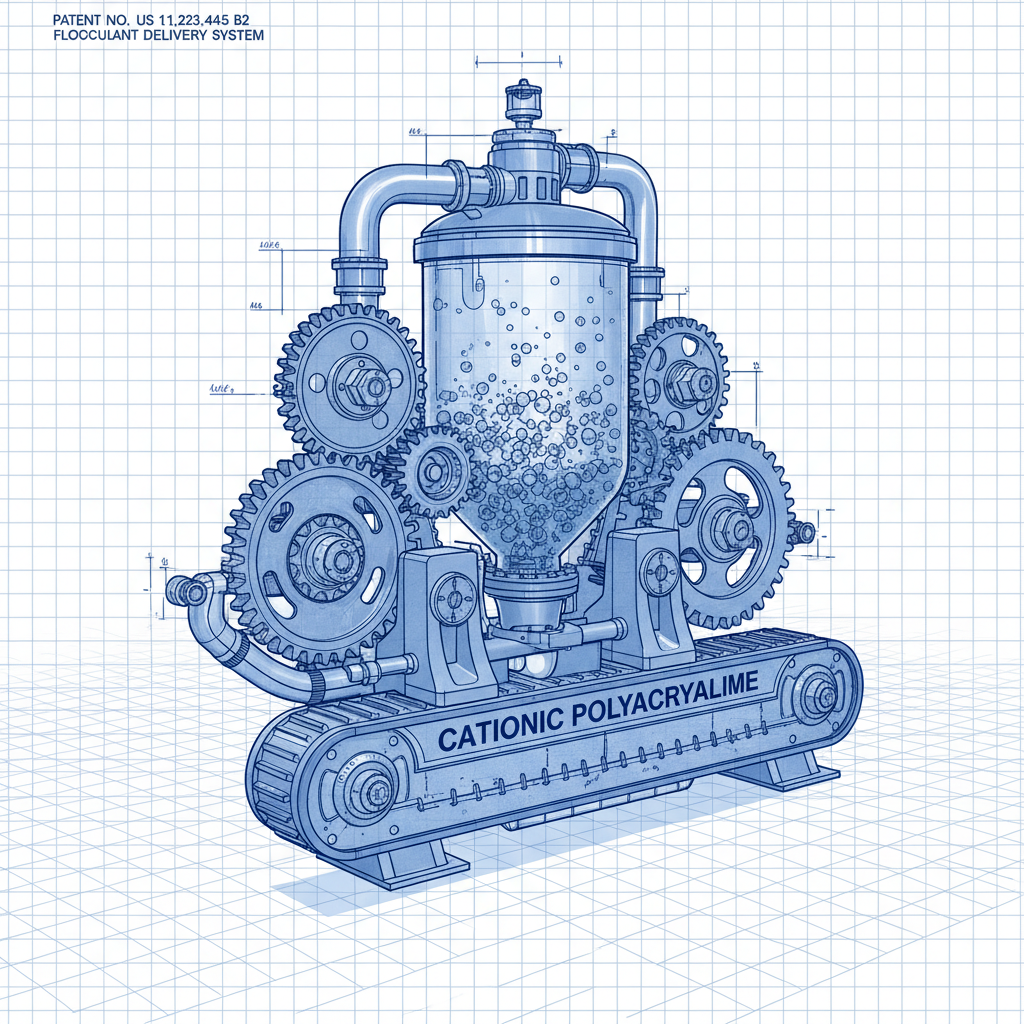
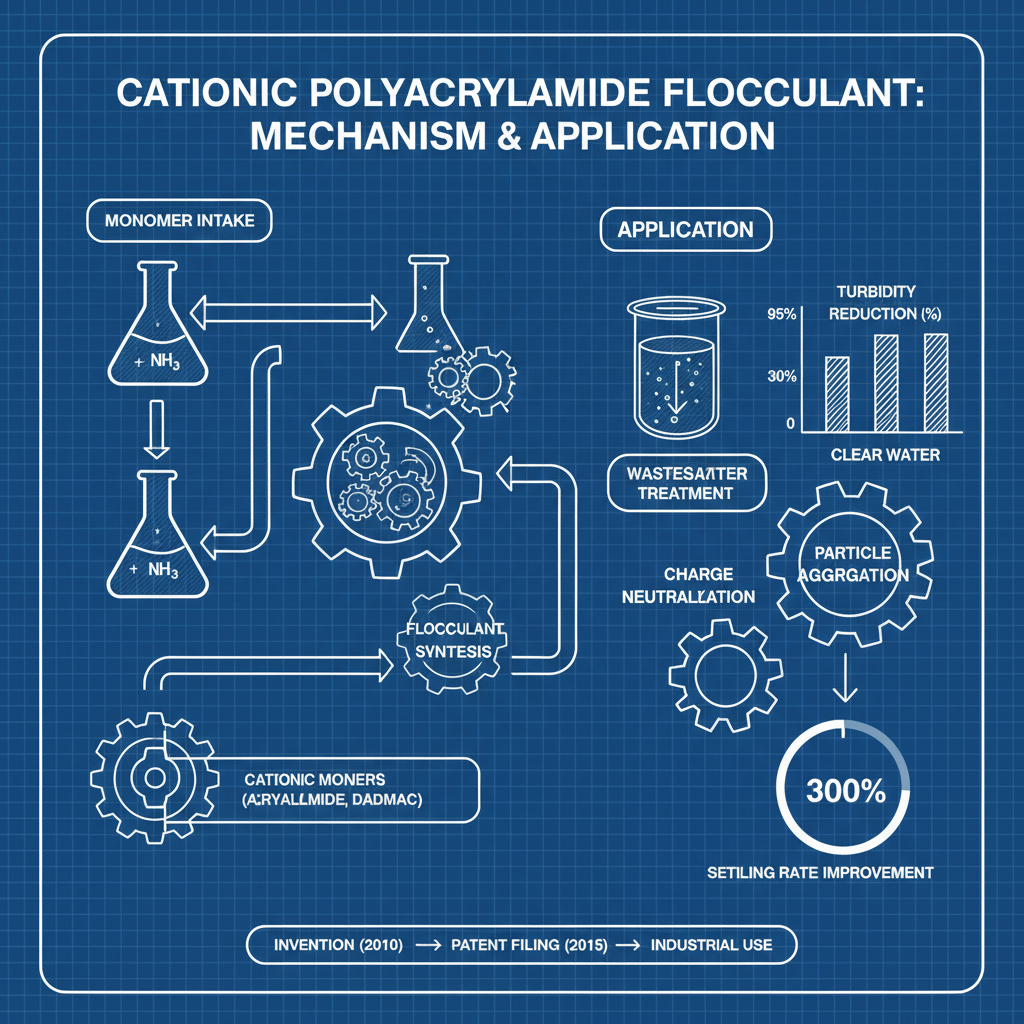
Cationic polyacrylamide (CPAM) flocculant is a synthetic polymer with a positive charge. This positive charge is key to its effectiveness, as it readily neutralizes the negative charges commonly found on suspended particles in water and wastewater. This neutralization process, known as charge neutralization, causes the particles to aggregate and form larger, heavier flocs. These flocs then settle out of the water more easily, resulting in clearer water. CPAM is available in various molecular weights and charge densities, allowing for customization based on specific application needs. Fizachem provides a selection of CPAM formulations to meet diverse industry requirements.
Key Highlights: CPAM’s positive charge neutralizes negative particles, forming larger flocs that settle easily. Available in diverse molecular weights & charge densities for specific applications.
Applications of Cationic Polyacrylamide Flocculant
The versatility of CPAM makes it applicable to a wide range of industries. It’s commonly used in wastewater treatment plants to remove suspended solids and reduce turbidity. In the mining industry, it aids in the separation of minerals from ore slurries. The pulp and paper industry utilizes CPAM for fiber retention and drainage. Furthermore, CPAM finds applications in agriculture for soil conditioning and water conservation. Fizachem’s CPAM products cater to these diverse applications and more.
Common Application Areas:
• Wastewater Treatment
• Mining & Mineral Processing
• Pulp and Paper Industry
• Agriculture
Cationic Polyacrylamide Flocculant: Key Performance Parameters
Several parameters influence the effectiveness of CPAM. Molecular weight determines the floc size and settling rate. Higher molecular weights generally lead to larger, faster-settling flocs. Charge density impacts the flocculation efficiency; a higher charge density enhances charge neutralization. Solubility ensures the flocculant dissolves properly in water. The optimal dosage needs to be determined through jar tests, considering the specific water characteristics and target treatment goals. Fizachem's technical team can assist in determining the optimal CPAM grade and dosage for your application.
Comparing Cationic vs. Anionic Polyacrylamide
While both cationic and anionic polyacrylamide flocculants are effective, their applications differ based on particle charge. Anionic polyacrylamide (APAM) is used for treating water with positively charged particles, while CPAM is ideal for negatively charged particles. Many wastewater streams contain negatively charged colloidal particles, making CPAM the preferred choice. Understanding the charge characteristics of the water is crucial for selecting the right flocculant. Fizachem offers both CPAM and APAM to address a wide range of treatment needs.
Selecting the Right Cationic Polyacrylamide Flocculant
Choosing the correct CPAM grade involves considering several factors, including the type of water being treated, the concentration of suspended solids, pH levels, and temperature. Jar tests are essential for determining the optimal dosage and identifying the most effective flocculant. These tests simulate the treatment process on a small scale, allowing for evaluation of different flocculant types and dosages. Fizachem's experienced team can provide guidance on conducting jar tests and interpreting the results.
Conclusion: Optimize Your Water Treatment with Cationic Polyacrylamide
Cationic polyacrylamide flocculant is a powerful tool for achieving efficient water treatment and solid-liquid separation. By understanding its properties, applications, and optimal selection criteria, you can significantly improve your processes and reduce operational costs. Fizachem is dedicated to providing high-quality CPAM products and expert support to help you achieve your water treatment goals.
Frequently Asked Questions (FAQs)
What safety precautions should be taken when handling cationic polyacrylamide flocculant?
CPAM is generally considered non-toxic, but it can cause irritation to the skin and eyes. Therefore, it is important to wear appropriate personal protective equipment (PPE), including gloves, safety glasses, and a dust mask, when handling the product. Avoid inhalation of dust and direct contact with the skin. In case of contact, rinse thoroughly with water. Always refer to the Safety Data Sheet (SDS) for detailed safety information and handling instructions.
How is the dosage of cationic polyacrylamide flocculant determined?
Dosage determination is crucial for optimal performance. The most effective method is conducting jar tests. These tests involve adding varying dosages of CPAM to samples of the water to be treated, observing the floc formation and settling rate. The dosage that produces the clearest water and fastest settling is considered optimal. Factors like water turbidity, pH, and temperature will influence the required dosage.
What is the shelf life of cationic polyacrylamide flocculant?
The shelf life of CPAM typically ranges from 2 to 3 years when stored in a cool, dry place, away from direct sunlight and moisture. Proper storage is essential to maintain the product’s effectiveness. Once the container is opened, it's best to use the product within a reasonable timeframe to prevent degradation.
-
Comprehensive Guide to Polyacrylamide Powder Applications and Industrial BenefitsNewsMar.31,2026
-
Understanding Polyacrylamide Charge and its Impact on Industrial ApplicationsNewsMar.28,2026
-
Comprehensive Guide to Cationic Polyacrylamide for Industrial Water Treatment and BeyondNewsMar.26,2026
-
Comprehensive Guide to Polyacrylamide and its CAS Number 9003058 ApplicationsNewsMar.24,2026
-
Comprehensive Guide to Polyacrylamide CAS No 9003058 and Industrial ApplicationsNewsMar.21,2026
-
Comprehensive Overview of Polyacrylamide CAS 9003058 Applications and PropertiesNewsMar.19,2026
-
Comprehensive Guide to Anionic Polyacrylamide Applications and BenefitsNewsMar.17,2026