Comprehensive Guide to Sodium Chloride Solution MSDS and Safe Handling Practices
Sodium Chloride Solution MSDS: A Comprehensive Guide
Understanding the Material Safety Data Sheet (MSDS) for sodium chloride solution is crucial for safe handling, storage, and emergency response. This article provides a detailed overview of the key information contained within a typical MSDS for this common chemical, catering to professionals in various industries including pharmaceuticals, food processing, and water treatment. We’ll explore the properties, hazards, and safety measures associated with sodium chloride solution. For high-quality chemical products, including sodium chloride solutions, visit Fizachem's website.
What is a Sodium Chloride Solution MSDS?
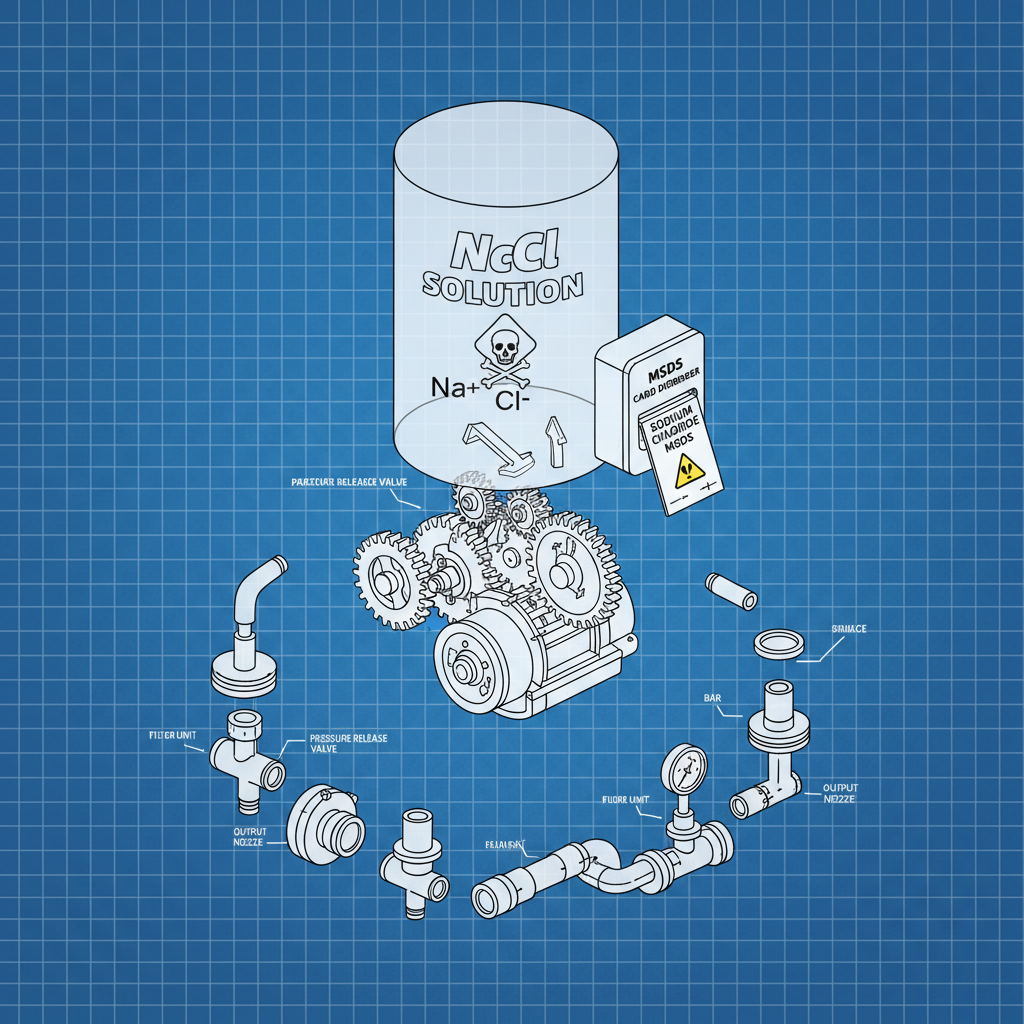
A Material Safety Data Sheet (MSDS), now often referred to as a Safety Data Sheet (SDS), is a comprehensive document that provides crucial information about a chemical substance. For sodium chloride solution, the MSDS outlines its physical and chemical properties, potential hazards, safe handling procedures, emergency measures, and disposal guidelines. It is a critical resource for anyone who works with this substance, ensuring worker safety and environmental protection. It is essential to always consult the specific MSDS provided by your supplier, as formulations and concentrations can vary.
Key Highlights: The MSDS provides critical information on potential health hazards, safe handling practices, first aid measures, and emergency response procedures.
Key Sections of a Sodium Chloride Solution MSDS
The MSDS for sodium chloride solution typically includes several key sections. These commonly include: Identification (product name, supplier information), Hazards Identification (potential dangers), Composition/Information on Ingredients (chemical makeup), First-Aid Measures (emergency procedures), Fire-Fighting Measures (how to handle fires), Accidental Release Measures (spill cleanup), Handling and Storage (safe practices), Exposure Controls/Personal Protection (safety equipment), Physical and Chemical Properties, Stability and Reactivity, Toxicological Information, Ecological Information, Disposal Considerations, Transport Information, and Regulatory Information. Each section provides vital details to ensure safe and responsible use.
Important MSDS Sections:
• Hazards Identification: Highlights potential dangers like eye irritation.
• First-Aid Measures: Details procedures for ingestion, inhalation, and skin/eye contact.
• Handling and Storage: Provides guidelines for safe storage conditions and handling practices.
• Exposure Controls/Personal Protection: Recommends appropriate PPE (Personal Protective Equipment).
Sodium Chloride Solution Hazards and Safety Precautions
While generally considered non-toxic, sodium chloride solution can cause irritation to the eyes and, in high concentrations, may cause skin irritation. Ingestion of large quantities can lead to electrolyte imbalance. The MSDS will specify the degree of hazard and recommend appropriate precautions. These often include wearing eye protection (safety glasses or goggles), gloves, and appropriate clothing to prevent skin contact. Good ventilation is also recommended when handling large volumes. Refer to the MSDS for specific concentration-dependent hazards and control measures. Explore Fizachem's catalog for various concentrations of sodium chloride solutions.
Sodium Chloride Solution MSDS: Concentration Matters
The hazards associated with sodium chloride solution can vary depending on its concentration. Lower concentrations (e.g., 0.9% saline solution) are generally considered less hazardous than higher concentrations. The MSDS will specify the concentration for which the data applies. For instance, a highly concentrated solution might be classified as a skin irritant, while a dilute solution might not. It is crucial to always refer to the MSDS corresponding to the specific concentration you are handling.
Accessing and Interpreting the MSDS
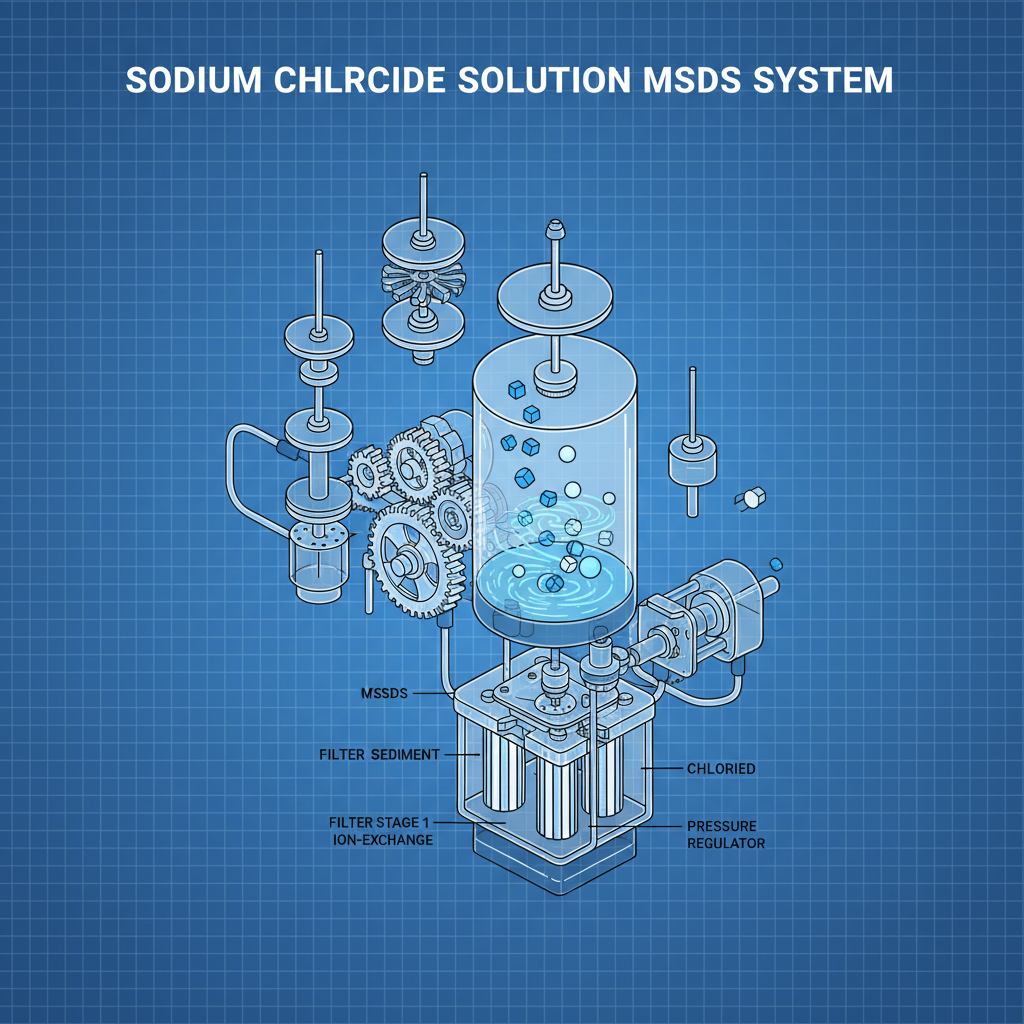
The MSDS should be readily accessible to all employees who handle sodium chloride solution. Suppliers are legally obligated to provide the MSDS with the product. It is also frequently available on the supplier’s website, like Fizachem’s website. Take the time to thoroughly review the MSDS before using the chemical, and ensure you understand the potential hazards and safe handling procedures. Regularly review and update your understanding of the MSDS as new information becomes available.
Conclusion: Prioritizing Safety with Sodium Chloride Solution
Understanding the MSDS for sodium chloride solution is essential for ensuring a safe working environment. By following the recommended safety precautions and handling procedures outlined in the MSDS, you can minimize the risk of accidents and protect yourself and others. Always prioritize safety and consult the MSDS before handling any chemical substance. For reliable sourcing and further information, visit Fizachem's website.
Frequently Asked Questions (FAQs)
Where can I find the MSDS for a specific sodium chloride solution?
The MSDS should be provided by the supplier of the sodium chloride solution. You can typically find it on their website, often in a "Safety Data Sheets" or "MSDS" section. Alternatively, you can contact the supplier directly and request a copy. Fizachem provides MSDS documents readily accessible on our product pages, ensuring transparency and safety for our customers. Always ensure you have the MSDS for the exact product and concentration you are using, as details can vary significantly.
What should I do in case of an accidental spill of sodium chloride solution?
Consult the MSDS for specific spill cleanup instructions. Generally, for small spills, you can absorb the liquid with an inert material such as sand or vermiculite, and then dispose of the material according to local regulations. For larger spills, contain the spill and contact the appropriate emergency response personnel. Always wear appropriate personal protective equipment (PPE) during cleanup, as indicated in the MSDS.
What PPE is recommended when handling sodium chloride solution?
The MSDS will specify the recommended PPE. Typically, this includes safety glasses or goggles to protect your eyes, and gloves to prevent skin contact. Depending on the concentration and the nature of the task, additional PPE such as a lab coat or apron may be recommended. Always follow the guidance provided in the MSDS to ensure adequate protection.
How should sodium chloride solution be stored?
The MSDS will provide specific storage recommendations. Generally, sodium chloride solution should be stored in a cool, dry, and well-ventilated area, away from incompatible materials. Containers should be tightly closed and properly labeled. Avoid storing in direct sunlight or extreme temperatures. Refer to the MSDS for detailed storage guidelines.
-
Comprehensive Guide to Polyacrylamide Powder Applications and Industrial BenefitsNewsMar.31,2026
-
Understanding Polyacrylamide Charge and its Impact on Industrial ApplicationsNewsMar.28,2026
-
Comprehensive Guide to Cationic Polyacrylamide for Industrial Water Treatment and BeyondNewsMar.26,2026
-
Comprehensive Guide to Polyacrylamide and its CAS Number 9003058 ApplicationsNewsMar.24,2026
-
Comprehensive Guide to Polyacrylamide CAS No 9003058 and Industrial ApplicationsNewsMar.21,2026
-
Comprehensive Overview of Polyacrylamide CAS 9003058 Applications and PropertiesNewsMar.19,2026
-
Comprehensive Guide to Anionic Polyacrylamide Applications and BenefitsNewsMar.17,2026