Comprehensive Guide to Polyacrylamide CAS No 9003058 and Industrial Applications
Polyacrylamide CAS No: A Comprehensive Guide
Polyacrylamide (PAM) is a water-soluble polymer widely used in various industrial applications, including wastewater treatment, oil recovery, paper making, and agriculture. Understanding the polyacrylamide CAS no is crucial for identification, safety, and regulatory compliance. This article provides a detailed overview of polyacrylamide, its CAS registry number, properties, applications, safety considerations, and where to source high-quality PAM from a trusted supplier like Fizachem. Accurate identification via the CAS number is key when working with this versatile chemical.
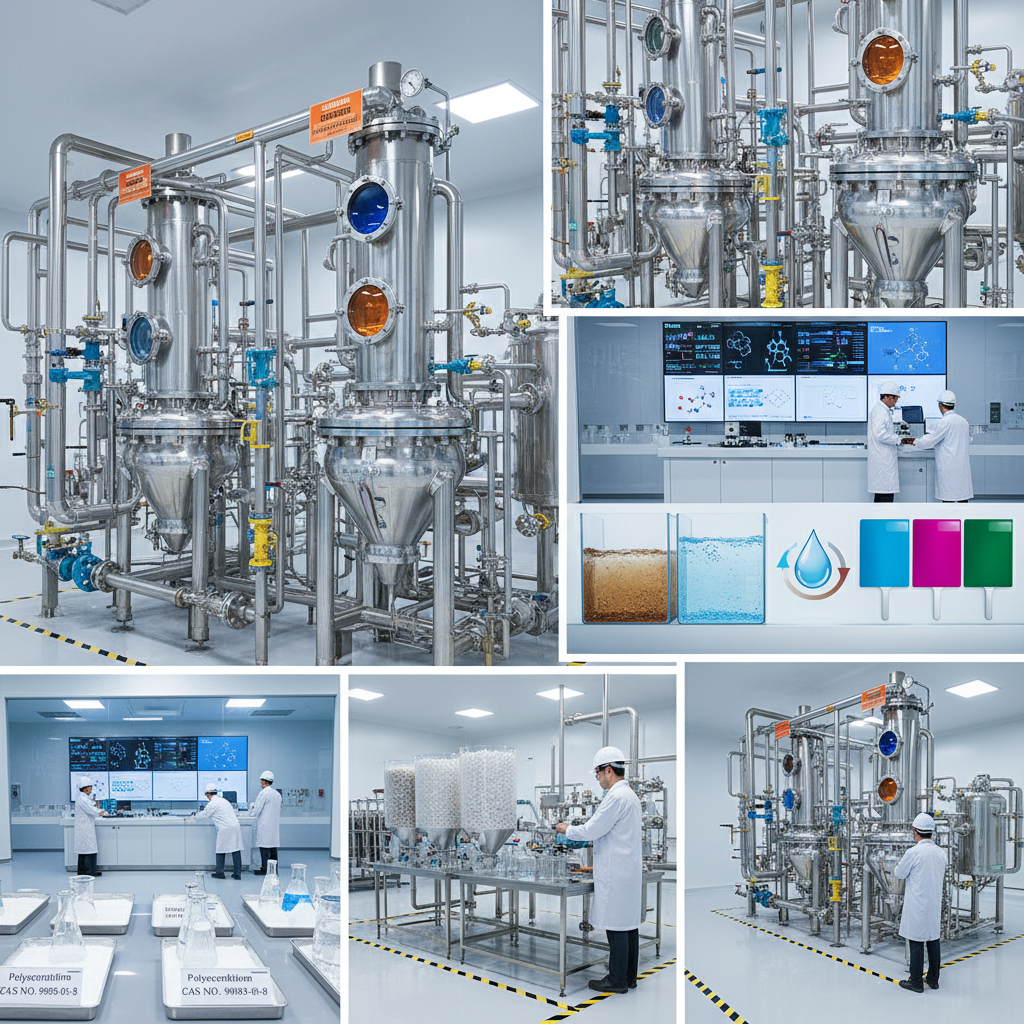
What is Polyacrylamide and its CAS Number?
Polyacrylamide is a synthetic polymer derived from acrylamide. It exists in various forms, including anionic, cationic, and non-ionic, each tailored for specific applications. The polyacrylamide CAS no is 9003-05-8. This unique identifier, assigned by the Chemical Abstracts Service (CAS), ensures unambiguous identification of the substance, regardless of trade name or manufacturer. Using the CAS number helps to avoid confusion when procuring, handling, and researching polyacrylamide.
Key Takeaway: The CAS number 9003-05-8 is the globally recognized identifier for polyacrylamide, ensuring clarity and consistency in chemical communication.
Polyacrylamide Properties & Molecular Weight
Polyacrylamide's properties vary based on its molecular weight, charge density (anionic, cationic, or non-ionic), and degree of hydrolysis. It's generally a white to off-white granular powder, readily soluble in water. Higher molecular weight PAM provides increased viscosity and flocculation efficiency. The choice of PAM grade depends heavily on the application. Fizachem offers a wide range of molecular weights to suit diverse needs.
Typical Polyacrylamide Properties:
• Appearance: White to off-white granular powder
• Solubility: Readily soluble in water
• Molecular Weight: Varies widely (e.g., 5-20 million Daltons)
• Charge: Anionic, Cationic, Non-ionic
Applications of Polyacrylamide (CAS No: 9003-05-8)
The versatile nature of polyacrylamide (CAS No: 9003-05-8) leads to its use in a multitude of industries. In wastewater treatment, it acts as a flocculant, removing suspended solids. In the oil and gas industry, it's employed as a drag-reducing agent and for enhanced oil recovery. The paper industry utilizes PAM to improve paper strength and retention. Agriculture benefits from its soil conditioning properties, enhancing water retention and reducing erosion. Furthermore, it's found in cosmetics, mining, and the textile industry.
Safety Considerations when Handling Polyacrylamide
While generally considered safe, polyacrylamide requires careful handling. Acrylamide monomer, a residual component, is a neurotoxin and potential carcinogen. Reputable suppliers like Fizachem ensure low acrylamide monomer content in their products. Always wear appropriate personal protective equipment (PPE), including gloves, eye protection, and a dust mask, during handling. Avoid inhalation and contact with skin and eyes. Refer to the Safety Data Sheet (SDS) for detailed safety information.
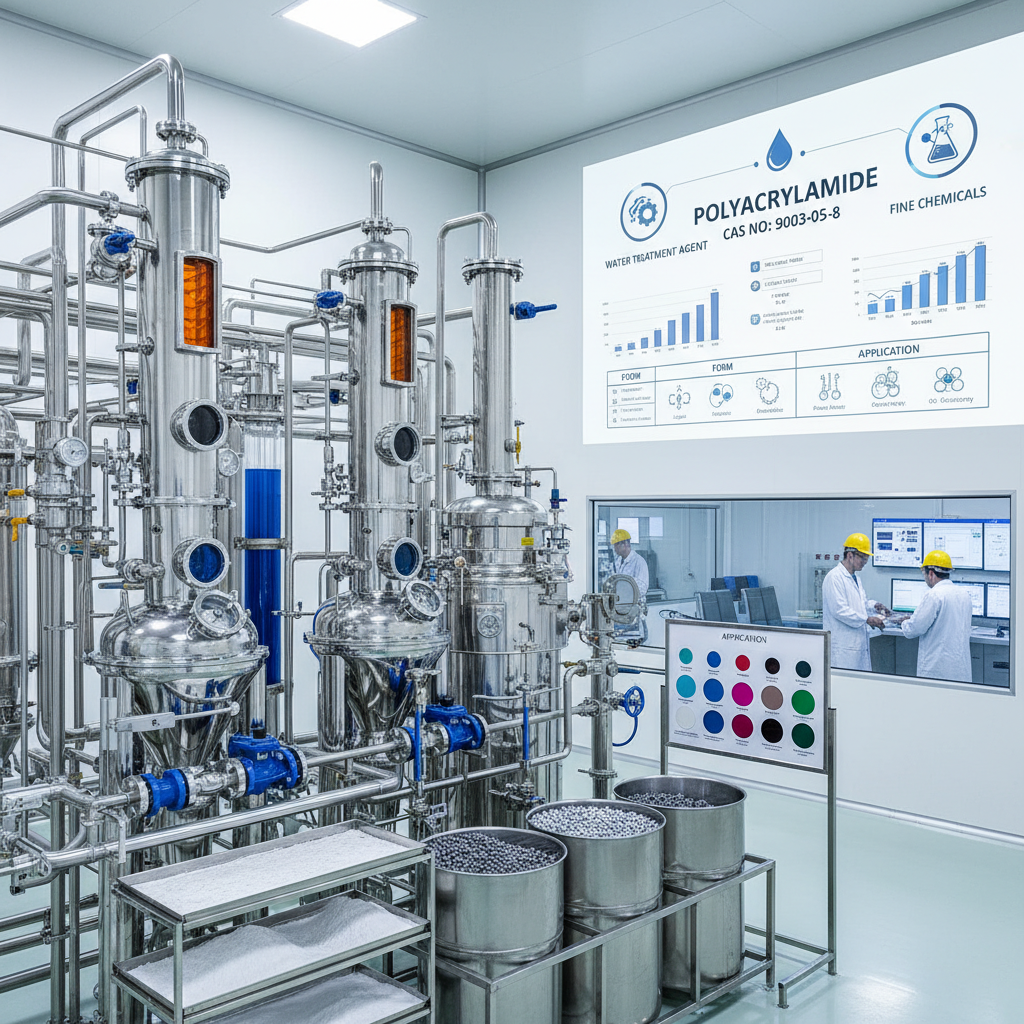
Sourcing High-Quality Polyacrylamide (CAS No: 9003-05-8)
Choosing a reliable supplier is paramount when procuring polyacrylamide. Fizachem is a trusted provider of high-quality polyacrylamide, offering a wide range of grades, competitive pricing, and excellent customer service. We provide detailed product specifications, SDS documents, and technical support to ensure you receive the optimal PAM solution for your application. We prioritize product purity and consistency.
Conclusion
Understanding the polyacrylamide CAS no (9003-05-8) is fundamental for safe and effective utilization of this versatile polymer. By partnering with a reputable supplier like Fizachem, you can ensure consistent quality, reliable supply, and expert support for your specific application needs.
Frequently Asked Questions (FAQs)
What is the difference between anionic and cationic polyacrylamide?
Anionic polyacrylamide carries a negative charge, making it effective for flocculating positively charged particles, commonly found in wastewater treatment. Cationic polyacrylamide, conversely, has a positive charge and works best with negatively charged particles. The choice depends on the charge of the suspended solids you're trying to remove. Understanding the charge characteristics is critical for optimal performance. Fizachem can advise on the correct type for your specific application.
What is the recommended storage for polyacrylamide?
Polyacrylamide should be stored in a cool, dry, and well-ventilated area, away from direct sunlight and heat sources. Keep containers tightly closed to prevent moisture absorption. Avoid storing near oxidizing agents or incompatible materials. Proper storage is essential to maintain the product's effectiveness and prevent degradation. Follow the guidelines provided in the SDS for specific storage recommendations.
How do I determine the correct dosage of polyacrylamide?
Determining the optimal dosage requires careful consideration of factors such as the type of suspended solids, their concentration, water pH, and temperature. Jar tests are commonly used to evaluate different dosages and identify the most effective amount. Fizachem's technical team can provide guidance on performing jar tests and interpreting the results to optimize your PAM usage and minimize costs.
What is acrylamide monomer and why is its level important?
Acrylamide monomer is a residual component in polyacrylamide production. It's a neurotoxin and potential carcinogen. Reputable manufacturers like Fizachem minimize acrylamide monomer content to ensure product safety. The lower the acrylamide monomer level, the safer the product is to handle. Regulatory bodies set limits for acceptable acrylamide monomer levels in polyacrylamide products. Always check the product specifications and SDS for acrylamide content.
-
Comprehensive Guide to Polyacrylamide Powder Applications and Industrial BenefitsNewsMar.31,2026
-
Understanding Polyacrylamide Charge and its Impact on Industrial ApplicationsNewsMar.28,2026
-
Comprehensive Guide to Cationic Polyacrylamide for Industrial Water Treatment and BeyondNewsMar.26,2026
-
Comprehensive Guide to Polyacrylamide and its CAS Number 9003058 ApplicationsNewsMar.24,2026
-
Comprehensive Overview of Polyacrylamide CAS 9003058 Applications and PropertiesNewsMar.19,2026
-
Comprehensive Guide to Anionic Polyacrylamide Applications and BenefitsNewsMar.17,2026
-
Comprehensive Guide to Partially Hydrolyzed Polyacrylamide and Its ApplicationsNewsMar.14,2026