Comprehensive Guide to Polyacrylamide Powder Applications and Industrial Benefits
Polyacrylamide Powder: A Comprehensive Guide to Applications and Benefits
Polyacrylamide powder is a versatile water-soluble polymer finding increasing applications across various industries, from wastewater treatment to agriculture. Its ability to flocculate, thicken, and stabilize makes it a crucial component in numerous processes. This article delves into the properties, uses, and advantages of polyacrylamide powder, offering a detailed overview for professionals and those seeking to understand its potential. We'll explore how Fizachem’s polyacrylamide powder delivers reliable performance and cost-effectiveness.
Understanding Polyacrylamide Powder: Key Properties
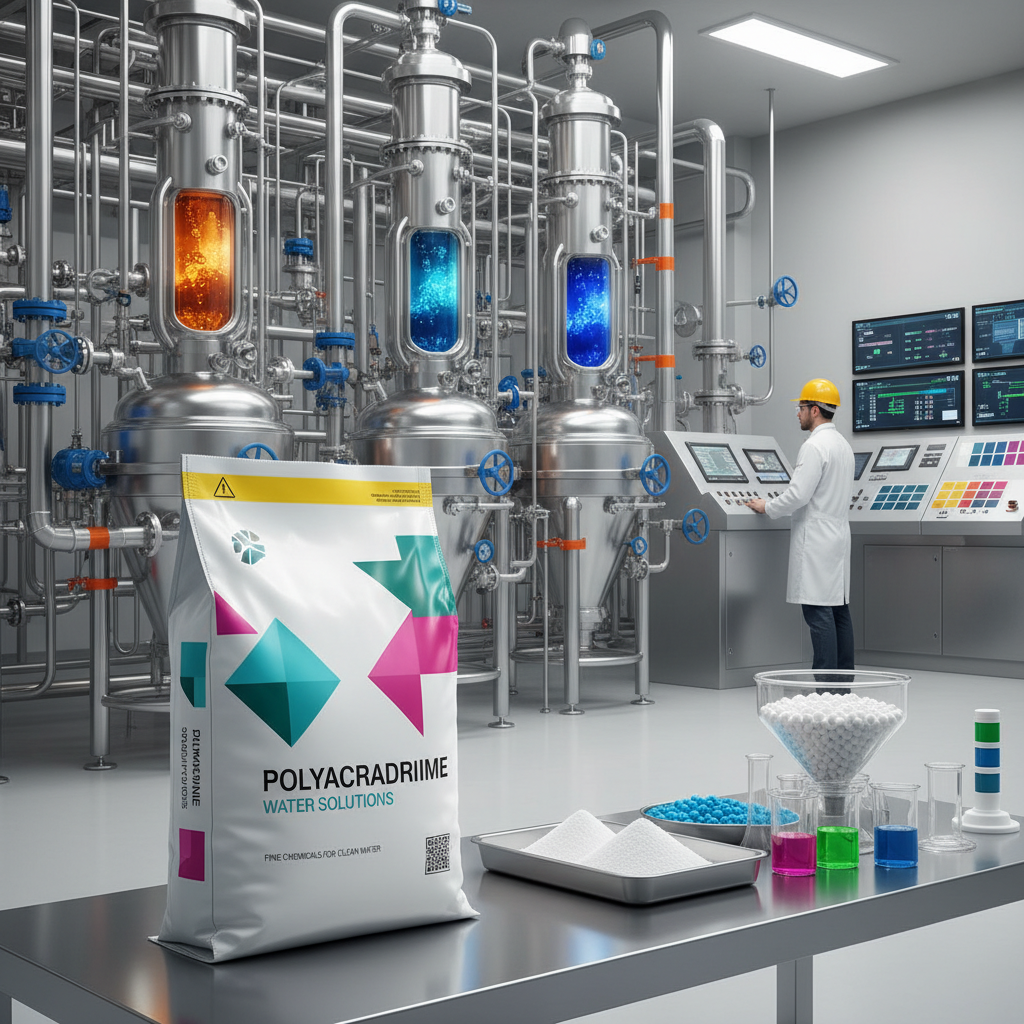
Polyacrylamide (PAM) is a polymer formed from acrylamide monomers. The powder form is created through polymerization and drying processes. Its molecular weight and ionic charge (cationic, anionic, or non-ionic) significantly impact its performance in various applications. Higher molecular weight PAM generally provides more effective flocculation, while the charge influences its interaction with different substances. The versatility of polyacrylamide powder lies in its ability to be tailored to specific needs. Fizachem offers a range of PAM products with varying properties to meet diverse client requirements.
Key Highlights: High water solubility, effective flocculation properties, customizable molecular weight and ionic charge, and wide-ranging industrial applications.
Applications of Polyacrylamide Powder Across Industries
The applications of polyacrylamide powder are remarkably diverse. In wastewater treatment, it acts as a flocculant, causing suspended particles to clump together for easier removal. In agriculture, it improves soil structure, enhancing water retention and nutrient availability. It's also used extensively in paper manufacturing as a retention aid, improving paper quality and reducing fiber loss. Other applications include oil recovery, mining, textile processing, and cosmetics. Fizachem provides PAM solutions tailored to the specific challenges of each industry.
Industry Applications:
• Wastewater Treatment: Flocculation, sludge dewatering
• Agriculture: Soil conditioning, water retention
• Paper Manufacturing: Retention aid, drainage improvement
• Oil Recovery: Enhanced oil recovery
Choosing the Right Polyacrylamide Powder: Cationic vs. Anionic vs. Non-Ionic
Selecting the appropriate type of polyacrylamide powder is crucial for optimal performance. Anionic polyacrylamide is commonly used for treating positively charged particles, such as those found in acidic wastewater. Cationic polyacrylamide is effective for treating negatively charged particles, often present in alkaline wastewater or in the paper industry. Non-ionic polyacrylamide is often used as a thickener or stabilizer. Understanding the characteristics of the material being treated is key to selecting the right PAM type. Fizachem’s technical team can provide guidance on choosing the ideal product for your application.
Polyacrylamide Powder Product Specifications (Fizachem)
Fizachem offers a wide range of polyacrylamide powder products to meet the unique demands of various applications. Here’s a look at some of our key specifications:
Conclusion: Optimizing Performance with Fizachem's Polyacrylamide Powder
Choosing the right polyacrylamide powder is critical for achieving optimal results in a variety of applications. Fizachem provides high-quality products tailored to your specific needs, backed by expert technical support. By selecting the appropriate molecular weight and ionic charge, you can maximize efficiency and minimize costs. Contact us today to discuss your requirements and discover how Fizachem can help you unlock the full potential of polyacrylamide powder.
Frequently Asked Questions (FAQs)
What is the recommended dosage of polyacrylamide powder?
The recommended dosage of polyacrylamide powder varies significantly depending on the application, the characteristics of the water or material being treated, and the desired outcome. Factors such as turbidity, particle size, and pH all influence the optimal dosage. Typically, dosages range from 1 to 100 ppm (parts per million), but it’s essential to conduct jar tests or pilot studies to determine the most effective dosage for your specific situation. Fizachem's technical team can assist in determining the appropriate dosage based on your requirements. Overdosing can lead to increased viscosity and potential problems with sludge disposal, while underdosing may not achieve the desired flocculation or thickening effect.
How should polyacrylamide powder be stored?
Polyacrylamide powder is hygroscopic, meaning it readily absorbs moisture from the air. Therefore, it should be stored in a cool, dry, and well-ventilated area in tightly sealed containers. Protect it from direct sunlight, heat, and humidity. Improper storage can lead to clumping and reduced effectiveness. Ensure the storage area is free from contaminants that could affect the powder’s purity. Follow the storage instructions provided on the product’s safety data sheet (SDS).
Is polyacrylamide powder environmentally friendly?
While polyacrylamide itself is not inherently harmful, its environmental impact depends on its molecular weight and residual acrylamide monomer content. Fizachem ensures its polyacrylamide powders have extremely low residual acrylamide levels, minimizing potential environmental risks. Proper wastewater treatment is crucial to remove any remaining PAM from effluent before discharge. Biodegradable PAM options are also available for environmentally sensitive applications. Always consult local regulations regarding the use and disposal of polyacrylamide.
What safety precautions should be taken when handling polyacrylamide powder?
When handling polyacrylamide powder, it’s essential to wear appropriate personal protective equipment (PPE), including gloves, safety glasses, and a dust mask. Avoid inhaling the powder and prevent contact with skin and eyes. In case of contact, rinse thoroughly with water. Refer to the product’s safety data sheet (SDS) for detailed safety information and handling instructions. Work in a well-ventilated area to minimize dust exposure.
-
Understanding Polyacrylamide Charge and its Impact on Industrial ApplicationsNewsMar.28,2026
-
Comprehensive Guide to Cationic Polyacrylamide for Industrial Water Treatment and BeyondNewsMar.26,2026
-
Comprehensive Guide to Polyacrylamide and its CAS Number 9003058 ApplicationsNewsMar.24,2026
-
Comprehensive Guide to Polyacrylamide CAS No 9003058 and Industrial ApplicationsNewsMar.21,2026
-
Comprehensive Overview of Polyacrylamide CAS 9003058 Applications and PropertiesNewsMar.19,2026
-
Comprehensive Guide to Anionic Polyacrylamide Applications and BenefitsNewsMar.17,2026
-
Comprehensive Guide to Partially Hydrolyzed Polyacrylamide and Its ApplicationsNewsMar.14,2026