HABARLAR
-
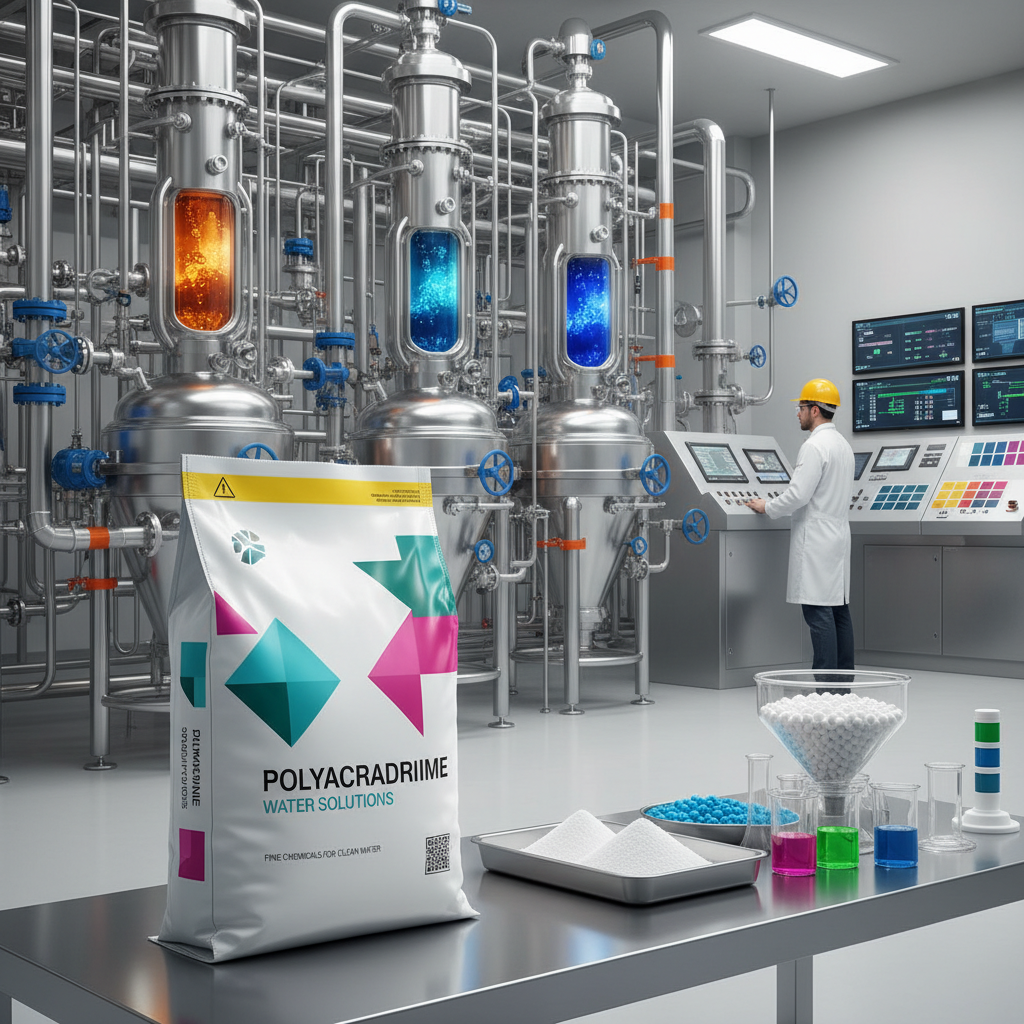 Polyacrylamide powder is a versatile water-soluble polymer finding increasing applications across various industries, from wastewater treatment to agriculture. Its ability to flocculate, thicken, and stabilize makes it a crucial component in numerous processes. This article delves into the properties, uses, and advantages of polyacrylamide powder, offering a detailed overview for professionals and those seeking to understand its potential. We'll explore how Fizachem’s polyacrylamide powder delivers reliable performance and cost-effectiveness.Dowamyny oka
 -
 Polyacrylamide (PAM) is a water-soluble polymer widely used in various industrial applications, including wastewater treatment, oil recovery, paper making, and agriculture. A crucial factor determining its effectiveness is its charge – whether it’s anionic, cationic, or non-ionic. The charge of polyacrylamide dictates how it interacts with different substances, influencing its flocculation, thickening, and drag reduction properties.Dowamyny oka
 -
 Cationic polyacrylamide is a versatile polymer widely utilized across numerous industries for its exceptional flocculation, thickening, and stabilization properties. This article will delve into the characteristics, applications, benefits, and key considerations for using cationic polyacrylamide, particularly focusing on its role in water treatment, paper making, and oil recovery. We will explore how Fizachem's cationic polyacrylamide solutions can optimize your industrial processes. Understanding the nuances of this polymer is crucial for maximizing efficiency and cost-effectiveness. Cationic polyacrylamide is a water-soluble polymer created through the polymerization of acrylamide monomers. The “cationic” designation signifies the presence of positively charged ions within the polymer chain. This positive charge is crucial to its functionality, as it enables the polymer to effectively neutralize negatively charged particles commonly found in various industrial processes. Its molecular weight and charge density are key factors influencing its performance, with higher molecular weights generally leading to more effective flocculation and thickening.Dowamyny oka
 -
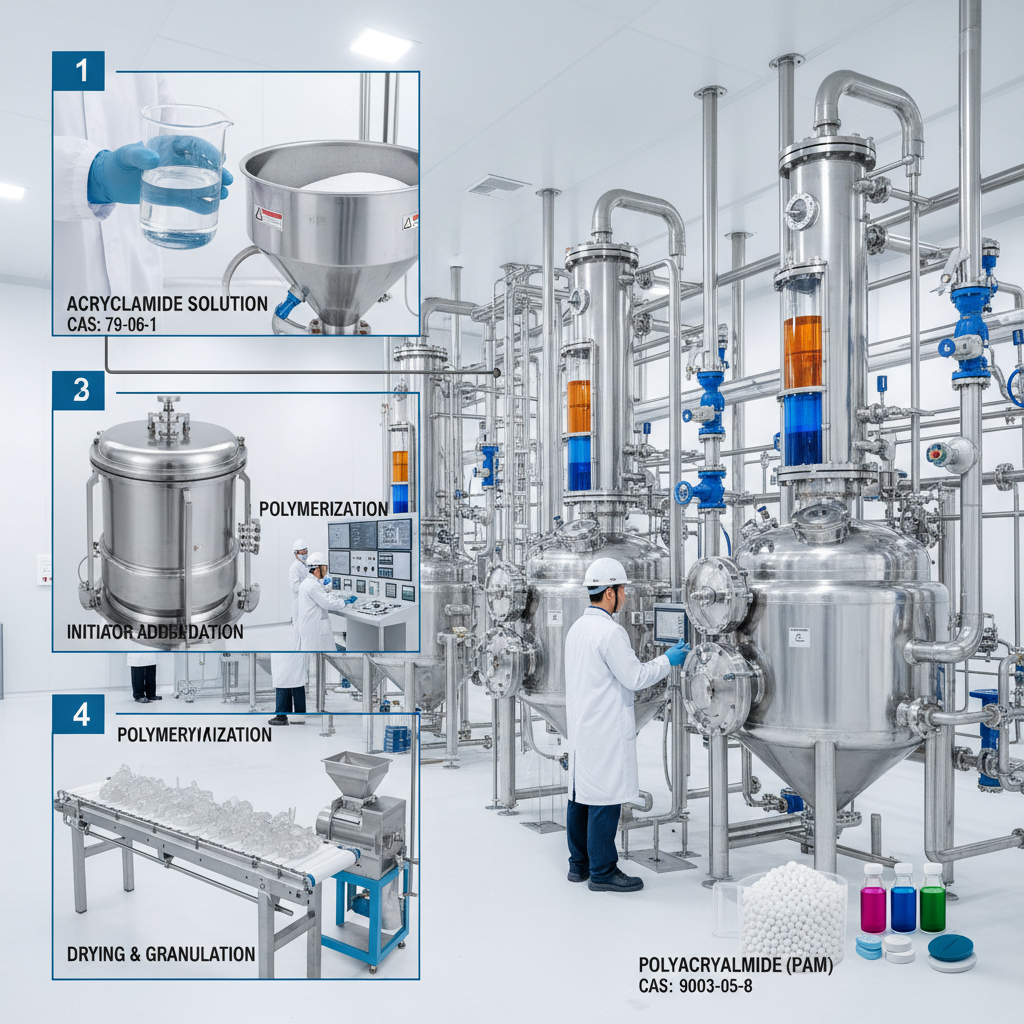 Polyacrylamide (PAM), identified by its CAS number 9003-05-8, is a versatile polymer with a wide array of industrial applications. From water treatment and oil recovery to agriculture and paper manufacturing, its unique properties make it indispensable. This article provides a comprehensive overview of polyacrylamide, focusing on its characteristics, applications, and the significance of its CAS number for sourcing and regulatory compliance. Understanding PAM's properties and its specific CAS number is vital for ensuring product quality and adhering to safety standards. Polyacrylamide is a water-soluble polymer derived from acrylamide. It exists in various forms, including anionic, cationic, and non-ionic, each offering distinct properties suited for different applications. Its effectiveness as a flocculant, thickener, and soil conditioner stems from its ability to absorb large amounts of water and form gels. The CAS number 9003-05-8 is a unique numerical identifier assigned by the Chemical Abstracts Service (CAS). This number is crucial for accurately identifying the substance, facilitating communication, ensuring regulatory compliance, and streamlining the procurement process.Dowamyny oka
 -
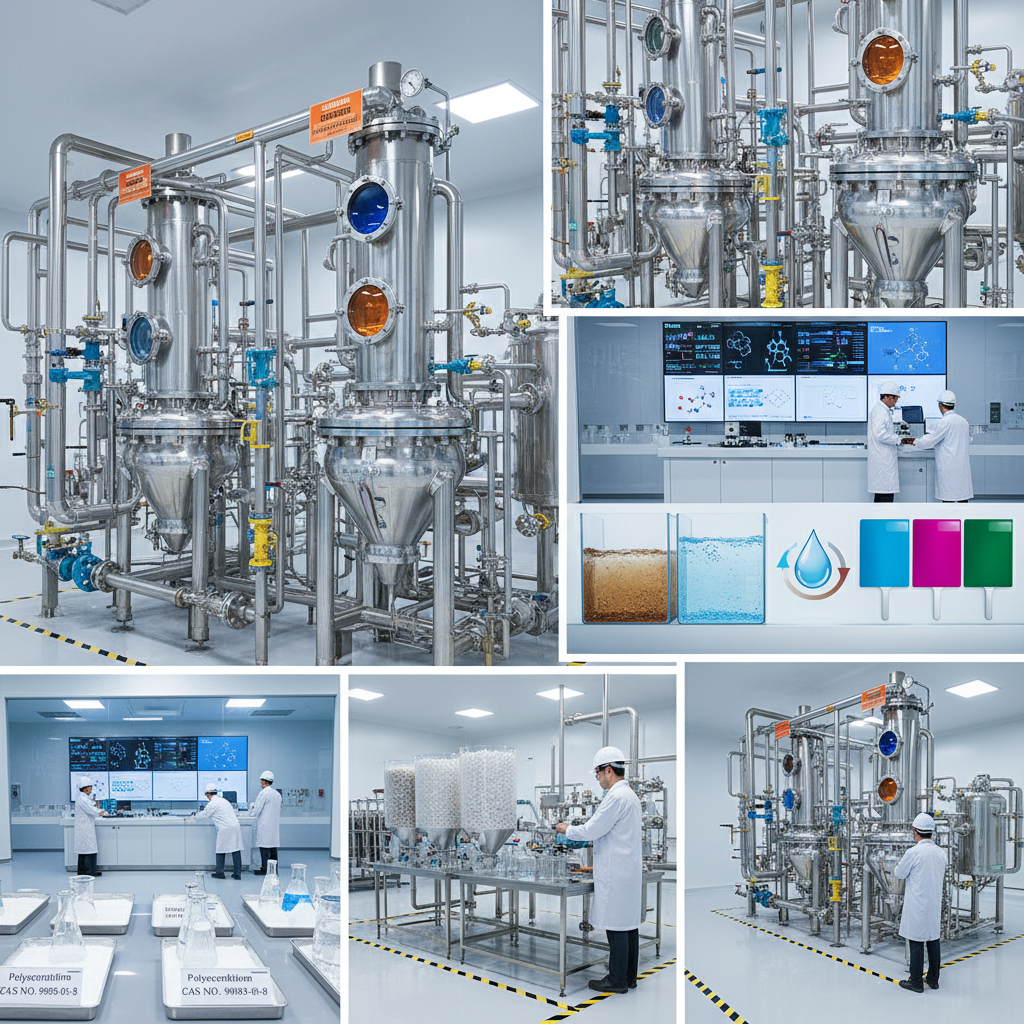 Polyacrylamide (PAM) is a water-soluble polymer widely used in various industrial applications, including wastewater treatment, oil recovery, paper making, and agriculture. Understanding the polyacrylamide CAS no is crucial for identification, safety, and regulatory compliance. This article provides a detailed overview of polyacrylamide, its CAS registry number, properties, applications, safety considerations, and where to source high-quality PAM from a trusted supplier like Fizachem. Accurate identification via the CAS number is key when working with this versatile chemical. Polyacrylamide is a synthetic polymer derived from acrylamide. It exists in various forms, including anionic, cationic, and non-ionic, each tailored for specific applications. The polyacrylamide CAS no is 9003-05-8. This unique identifier, assigned by the Chemical Abstracts Service (CAS), ensures unambiguous identification of the substance, regardless of trade name or manufacturer. Using the CAS number helps to avoid confusion when procuring, handling, and researching polyacrylamide.Dowamyny oka
 -
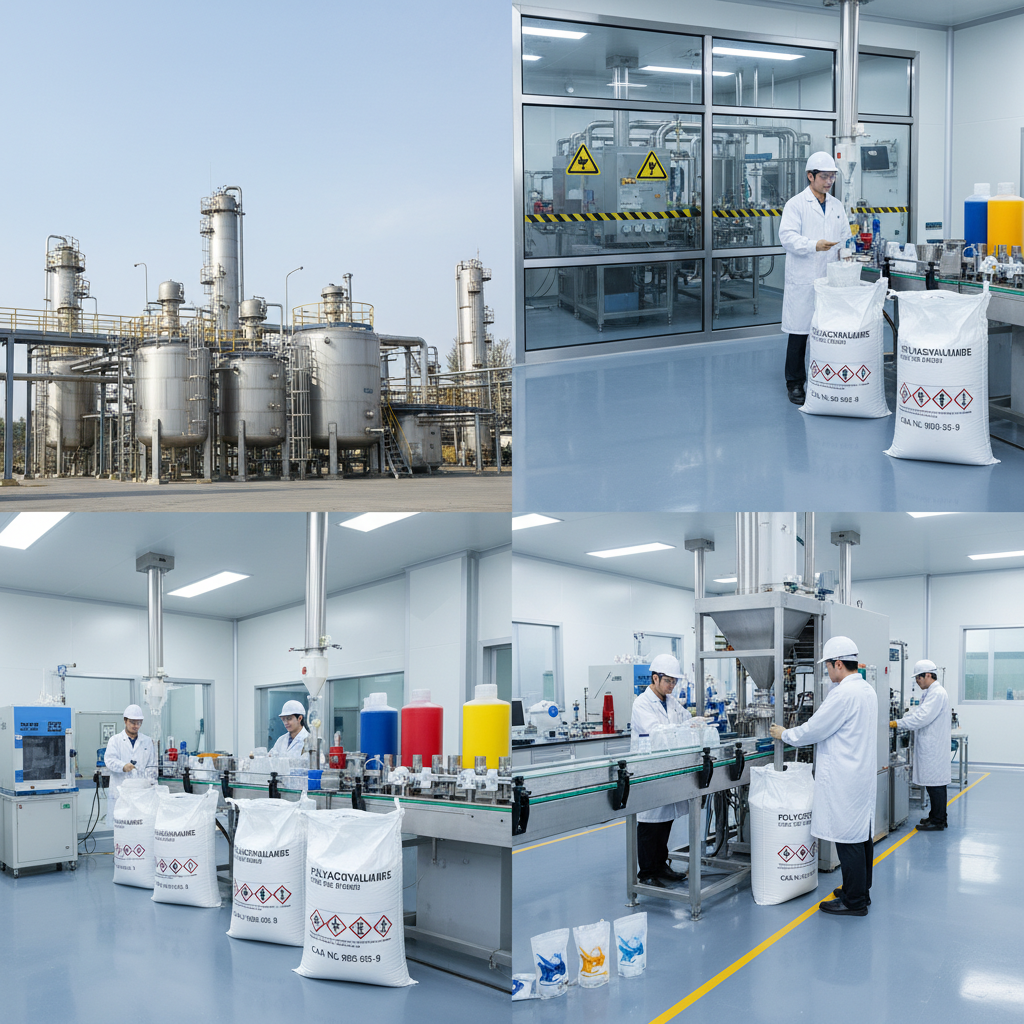 Polyacrylamide (PAM), identified by its CAS number 9003-05-8, is a water-soluble polymer with a wide range of applications across various industries. This versatile material is valued for its thickening, flocculating, and stabilizing properties. This article delves into the chemical properties, diverse applications, and crucial considerations when utilizing polyacrylamide, providing a comprehensive overview for professionals and researchers alike. Understanding the nuances of polyacrylamide CAS is essential for maximizing its effectiveness and ensuring safe handling. Polyacrylamide is a polymer formed from acrylamide monomers. It exists in various forms – anionic, cationic, and non-ionic – each offering distinct properties tailored to specific applications. The charge of the polymer influences its interaction with other substances, impacting its performance as a flocculant or thickening agent. Its high molecular weight contributes to its ability to increase the viscosity of water-based solutions and enhance particle suspension. One of the most significant applications of polyacrylamide CAS 9003-05-8 is in wastewater treatment. It acts as a powerful flocculant, causing suspended particles to clump together, forming larger flocs that can be easily removed through sedimentation or filtration.Dowamyny oka
 -
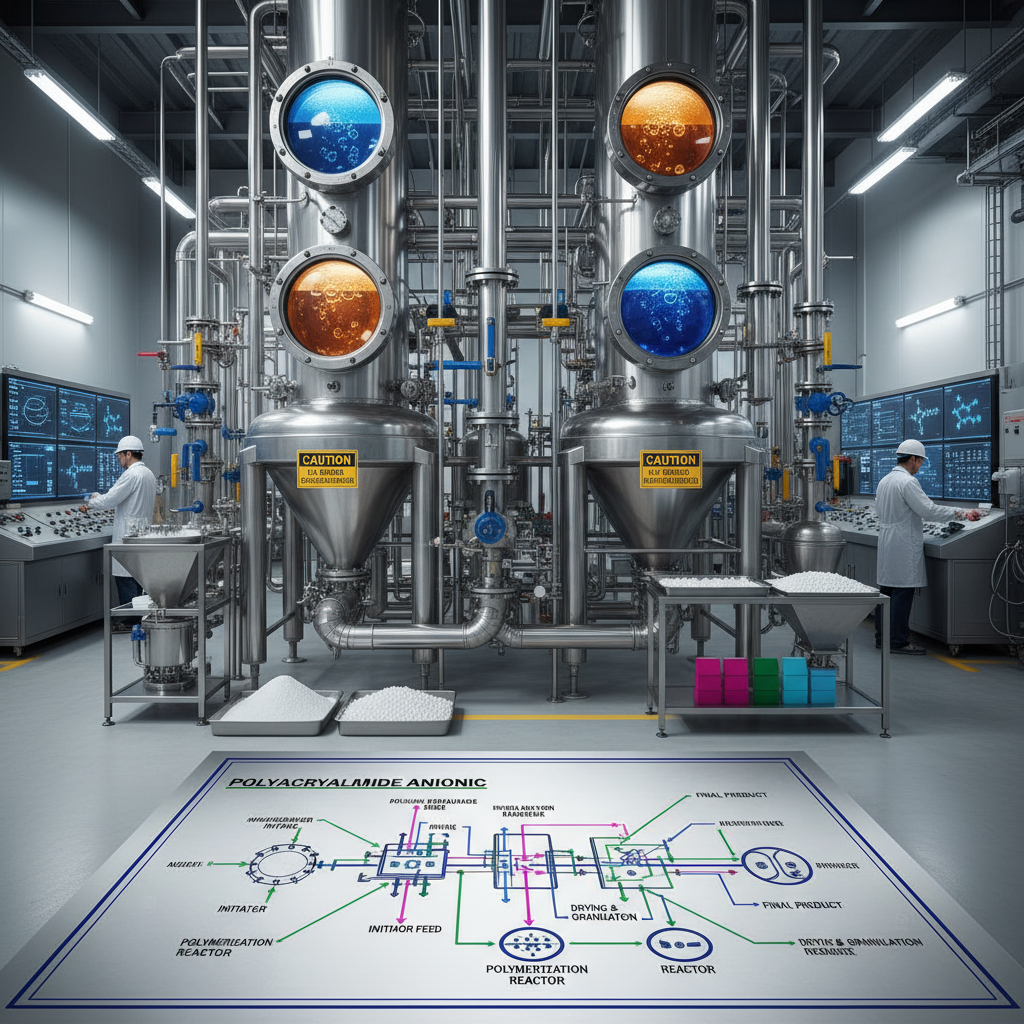 Anionic polyacrylamide (APAM) is a water-soluble polymer widely utilized across a diverse range of industries, from wastewater treatment to enhanced oil recovery. Its effectiveness stems from its ability to flocculate, thicken, and modify the rheology of aqueous solutions. Understanding the properties, applications, and benefits of anionic polyacrylamide is crucial for optimizing processes and achieving desired results. This article delves into the intricacies of this versatile polymer, providing a detailed overview for professionals and those seeking to leverage its capabilities. Anionic polyacrylamide is a synthetic polymer created from acrylamide monomer with anionic functional groups. The anionic charge, introduced through a copolymerization process with an anionic monomer, provides the polymer with its distinctive characteristics.Dowamyny oka
 -
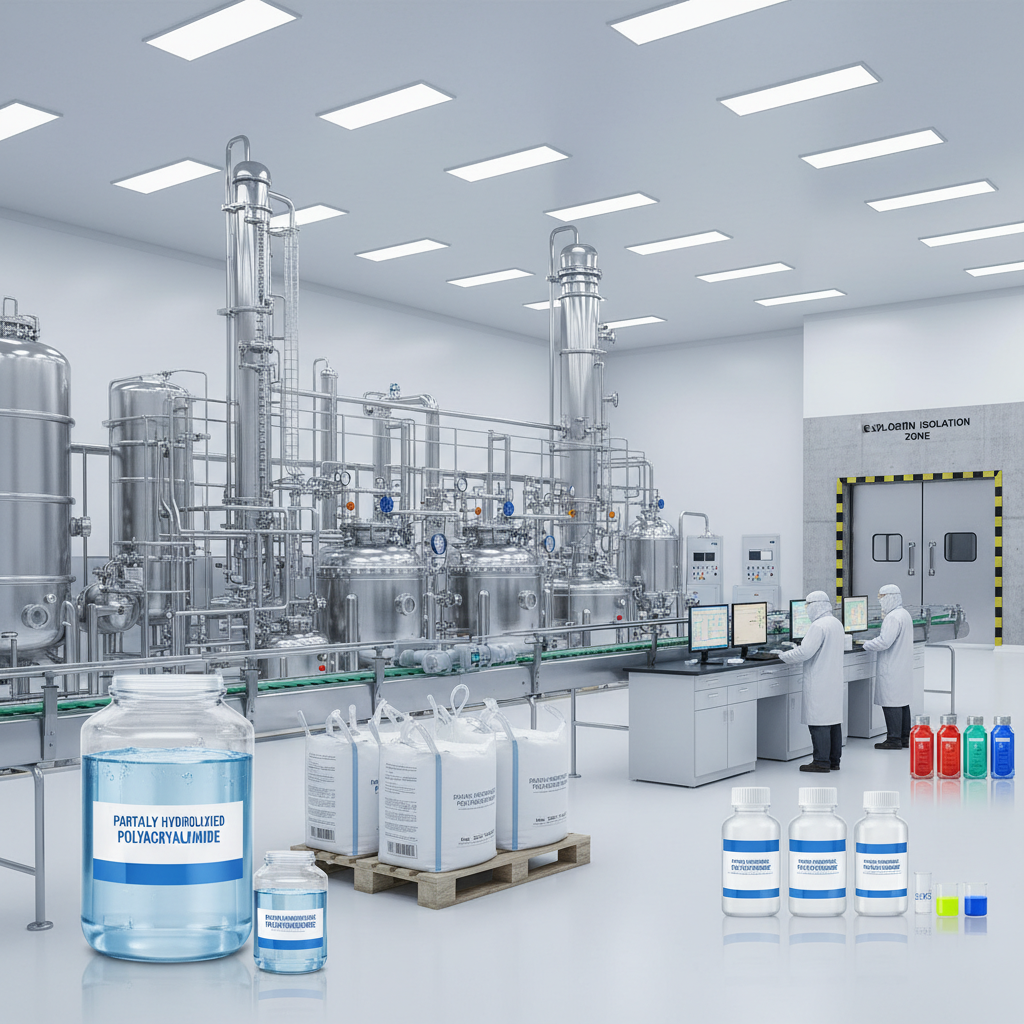 Partially Hydrolyzed Polyacrylamide (PHPA) is a versatile polymer widely utilized across numerous industries, including water treatment, oil recovery, agriculture, and mining. Its unique properties allow it to act as a flocculant, thickener, and soil conditioner. This article provides an in-depth look at PHPA, its applications, benefits, and considerations for optimal use. Understanding the nuances of PHPA is crucial for maximizing its effectiveness and achieving desired results. We’ll explore the science behind its functionality and its importance in various industrial processes. PHPA is a synthetic polymer derived from acrylamide. The “partially hydrolyzed” aspect refers to the process where some of the amide groups (-CONH2) are converted to carboxylate groups (-COO-). This hydrolysis increases the polymer’s water solubility and introduces negative charges, enhancing its flocculation properties. The degree of hydrolysis, molecular weight, and charge density are key factors influencing PHPA's performance. It’s typically supplied as a white to off-white powder, readily soluble in water.Dowamyny oka
 -
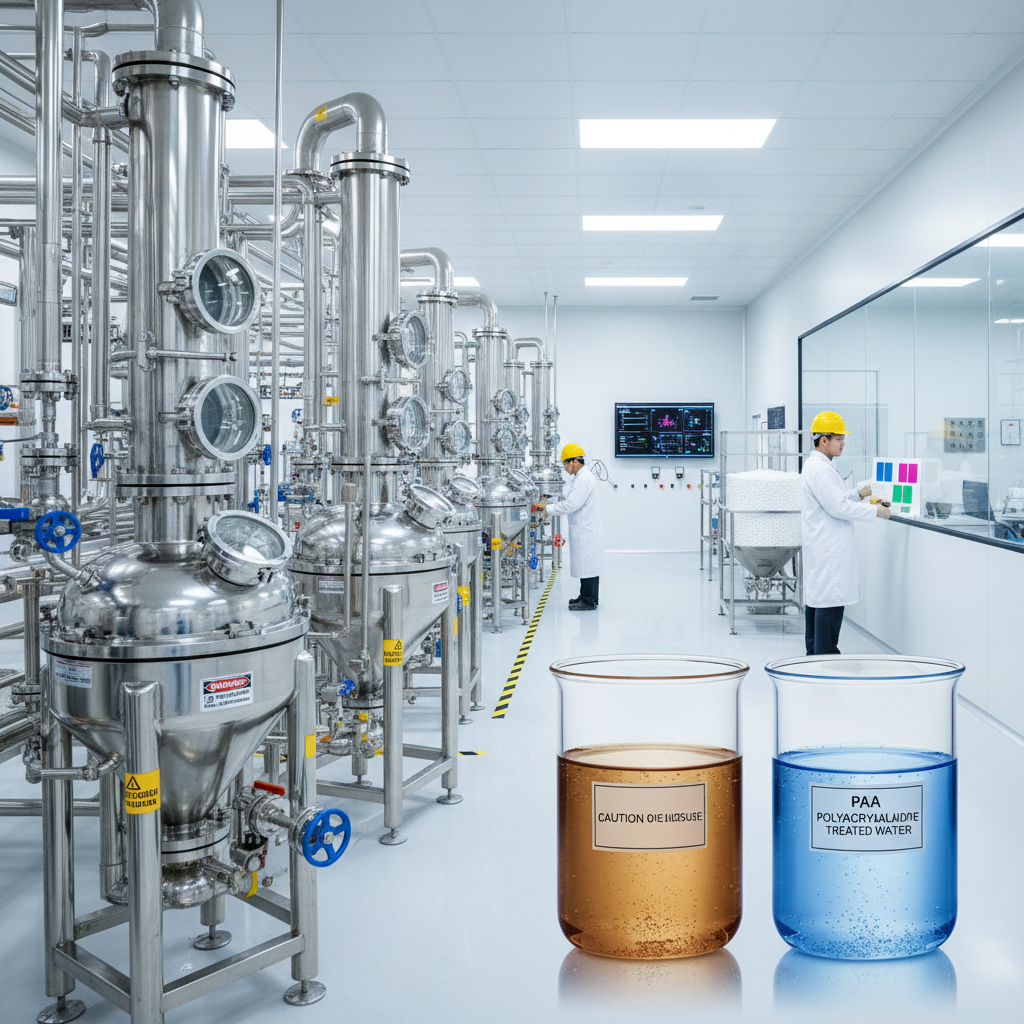 Paa polyacrylamide, also known as polyacrylamide, is a water-soluble polymer with a wide range of applications across numerous industries. Its versatility stems from its unique properties – excellent flocculation, thickening, and soil conditioning capabilities. This article will delve into the diverse applications of paa polyacrylamide, its benefits, and crucial factors to consider when selecting a product. Understanding the specifics of this polymer can lead to significant improvements in efficiency and cost-effectiveness within your operations. Explore how Fizachem's polyacrylamide products can meet your specific needs. Paa polyacrylamide is a synthetic polymer derived from acrylamide. It exists in various forms – anionic, cationic, and non-ionic – each possessing distinct properties suitable for different applications. Anionic polyacrylamide carries a negative charge and is commonly used in wastewater treatment and paper manufacturing. Cationic polyacrylamide has a positive charge, making it ideal for sludge dewatering and improving soil structure. Non-ionic polyacrylamide is neutral and often used as a thickening agent. The molecular weight of the polyacrylamide also significantly impacts its performance; higher molecular weight polymers generally exhibit greater flocculation efficiency.Dowamyny oka
 -
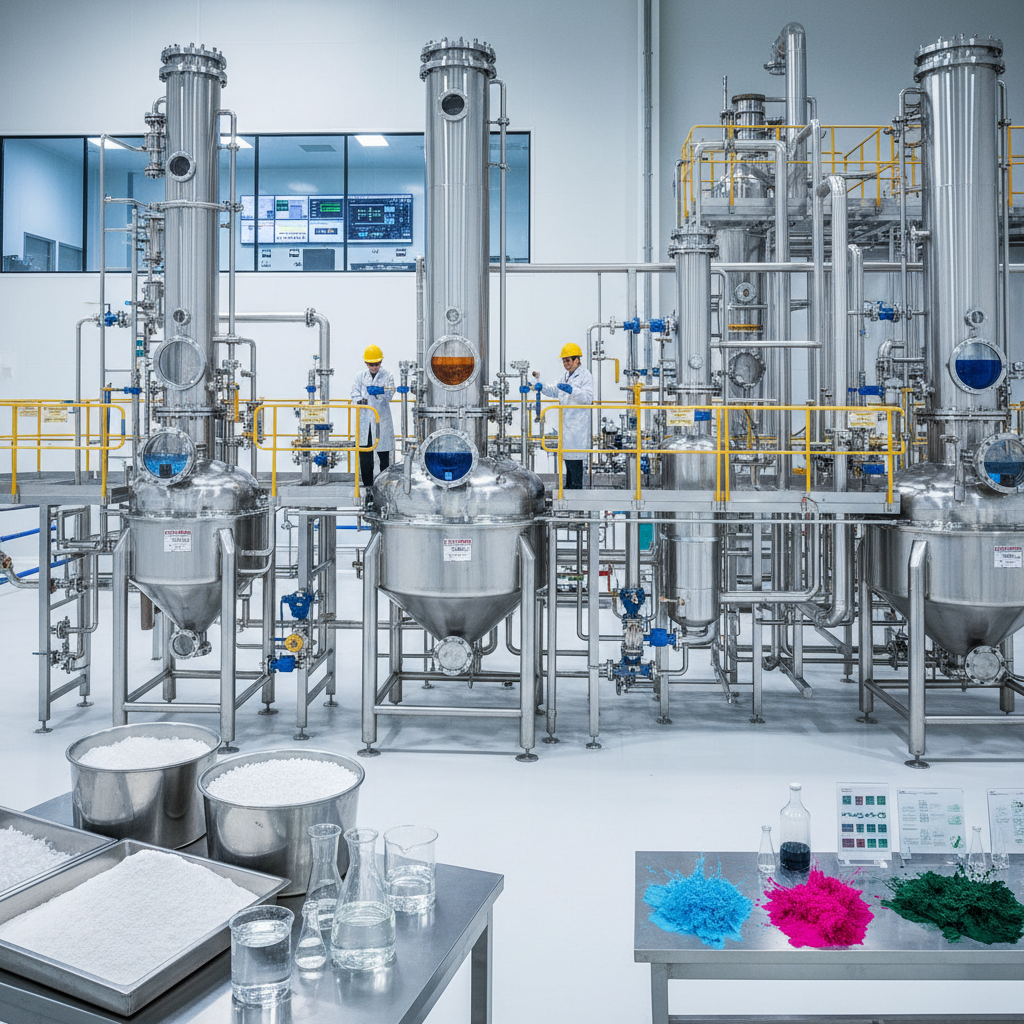 Cationic polyacrylamide (CPAM) is a highly versatile polymer widely used across numerous industries for its exceptional flocculation, coagulation, and thickening properties. As a leading supplier, FizaChem specializes in providing high-quality OEM cationic polyacrylamide tailored to meet specific client requirements. This article will explore the benefits of CPAM, its diverse applications, factors to consider when sourcing an OEM supplier, and the advantages of choosing FizaChem as your trusted partner. Understanding the nuances of CPAM allows you to optimize your processes and achieve superior results. OEM (Original Equipment Manufacturer) cationic polyacrylamide refers to CPAM produced by one company (like FizaChem) and branded/sold by another. This allows businesses to integrate a specialized polymer into their products or processes without the need for in-house manufacturing. CPAM’s cationic charge makes it particularly effective at neutralizing negatively charged particles found in wastewater, soil, and other industrial streams.Dowamyny oka
 -
 Anionic polyacrylamide (APAM) is a versatile water-soluble polymer widely used across numerous industrial applications. This article provides a detailed overview of OEM anionic polyacrylamide, its properties, applications, and benefits, specifically focusing on how Fizachem provides tailored solutions. Understanding the nuances of APAM allows businesses to optimize their processes and achieve superior results. We’ll explore the key characteristics that make it invaluable for industries like wastewater treatment, mining, and paper making. Anionic polyacrylamide is a synthetic polymer produced by the polymerization of acrylamide monomers, containing anionic functional groups. These anionic charges create a powerful flocculating agent, enabling the efficient removal of suspended solids from liquids. The molecular weight and charge density of APAM can be customized to suit specific applications, making it an incredibly adaptable solution.Dowamyny oka
 -
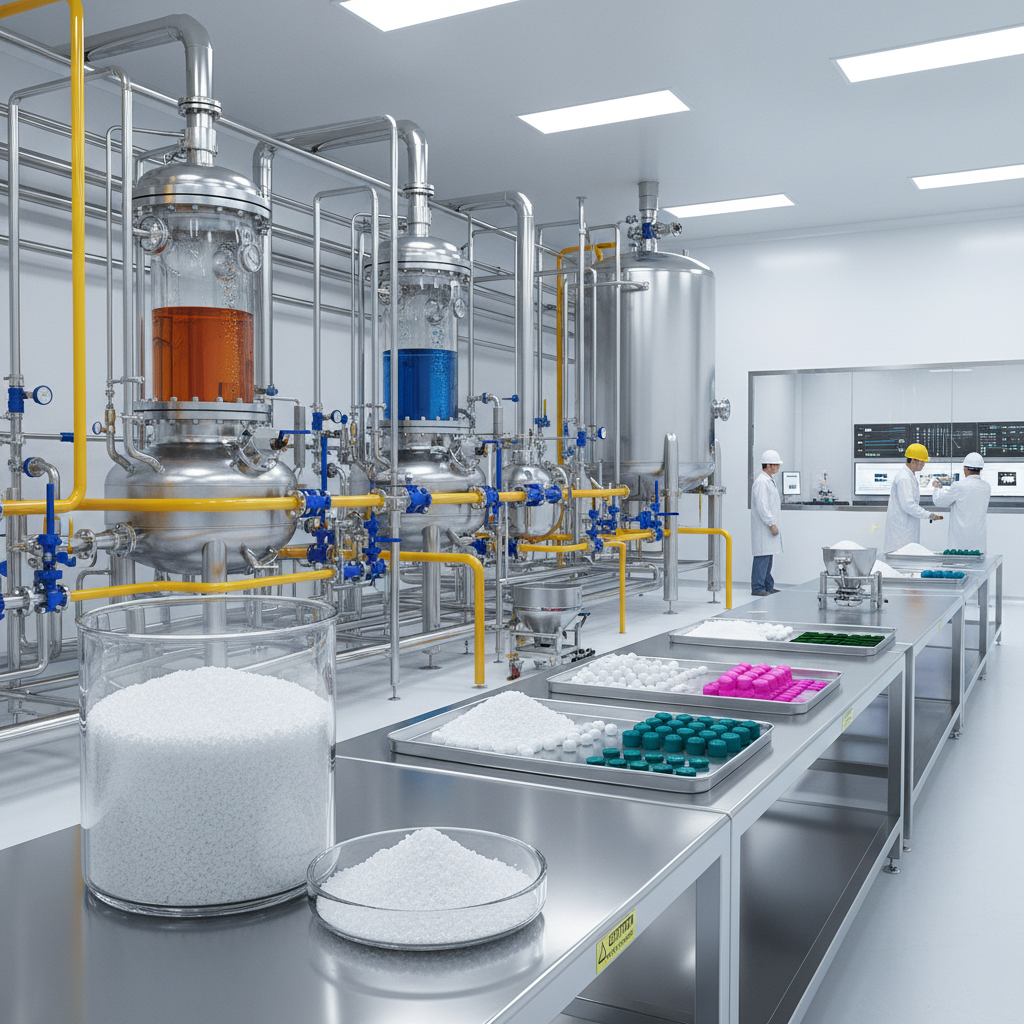 Non-ionic polyacrylamide (NIPAM) is a versatile polymer widely utilized across numerous industries due to its unique properties. This water-soluble polymer is prized for its thickening, flocculating, and stabilizing capabilities. From wastewater treatment to enhanced oil recovery and even cosmetic formulations, NIPAM plays a critical role. This article provides an in-depth look at NIPAM, its applications, benefits, and how Fizachem delivers high-quality NIPAM solutions. Understanding these qualities allows for informed applications in diverse processes. Non-ionic polyacrylamide is a synthetic polymer created by the polymerization of acrylamide monomers. Unlike ionic polyacrylamides, NIPAM does not carry an electrical charge, giving it distinct characteristics and making it suitable for applications where charge interactions are undesirable. Its chemical formula is (C3H5NO)n. This polymer is typically supplied as a white granular powder, readily soluble in water.Dowamyny oka