Comprehensive Guide to Cationic Polyacrylamide Powder and Its Industrial Applications
Cationic Polyacrylamide Powder: A Comprehensive Guide
Cationic polyacrylamide (CPAM) powder is a versatile polymer widely utilized across numerous industrial applications, particularly in water treatment, paper manufacturing, and oil recovery. Its unique cationic charge allows it to effectively neutralize negatively charged particles, leading to flocculation and enhanced separation processes. This article will provide a detailed overview of cationic polyacrylamide powder, covering its properties, applications, benefits, and how to choose the right product for your needs. Understanding its characteristics and optimal use is crucial for maximizing efficiency and cost-effectiveness. You can explore our range of cationic polyacrylamide powders at Fizachem.
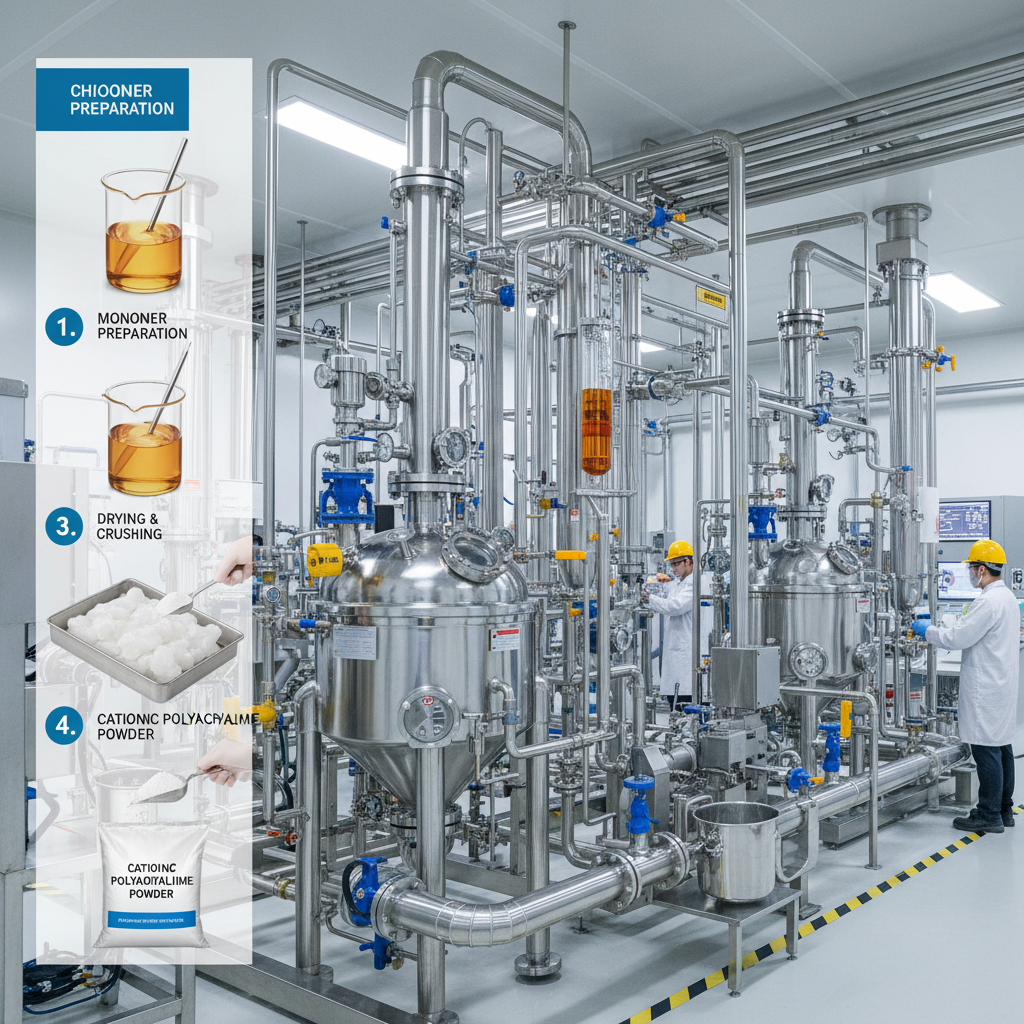
Understanding the Properties of Cationic Polyacrylamide
Cationic polyacrylamide powder is a water-soluble polymer known for its high molecular weight and positive charge density. The cationic nature arises from the introduction of cationic monomers during polymerization. This positive charge is key to its effectiveness in attracting and neutralizing negatively charged colloidal particles, such as clay, silt, and organic matter. The molecular weight influences the flocculation efficiency, with higher molecular weights generally leading to stronger flocs. It is typically supplied as a white or slightly yellowish powder, readily dissolving in water to form a viscous solution. Factors like pH, temperature, and salt concentration can impact its performance, requiring careful optimization for specific applications. Fizachem offers CPAM with varying charge densities and molecular weights to suit diverse requirements.
Key Highlights: Highly effective in flocculating negatively charged particles, water-soluble, available in various molecular weights and charge densities, performance influenced by pH, temperature, and salinity.
Applications of Cationic Polyacrylamide Powder
The applications of cationic polyacrylamide powder are extensive and span across multiple industries. In wastewater treatment, it’s used for solid-liquid separation, sludge dewatering, and clarification. Paper manufacturing utilizes CPAM as a retention aid, improving fiber retention and paper strength. Enhanced oil recovery (EOR) employs CPAM to increase oil viscosity and improve sweep efficiency. Further applications include mining (tailings management), textile processing (dye fixing), and agriculture (soil conditioning). Its ability to enhance flocculation and improve process efficiency makes it a valuable asset in various operations. At Fizachem, we cater to a broad spectrum of these industrial needs.
Common Application Areas:
• Wastewater Treatment
• Paper Manufacturing
• Enhanced Oil Recovery (EOR)
• Mining & Mineral Processing
Cationic Polyacrylamide Powder for Wastewater Treatment
Wastewater treatment is one of the largest consumers of cationic polyacrylamide powder. It effectively removes suspended solids, reduces turbidity, and improves the overall quality of treated water. CPAM acts as a flocculant, causing small particles to aggregate into larger, heavier flocs that can be easily separated through sedimentation or filtration. This leads to reduced sludge volume, lower disposal costs, and enhanced compliance with environmental regulations. The dosage of CPAM depends on the wastewater characteristics, including suspended solids concentration, pH, and temperature. Optimizing the dosage is crucial for achieving maximum efficiency and minimizing costs.
Choosing the Right Cationic Polyacrylamide Powder
Selecting the appropriate CPAM powder requires careful consideration of several factors. The charge density, molecular weight, and physical form (powder, emulsion) should be tailored to the specific application. Higher charge density polymers are more effective at neutralizing highly charged particles, while higher molecular weight polymers form stronger flocs. Powdered CPAM is generally preferred for its ease of handling and lower cost. It’s crucial to analyze your process requirements and consult with a reputable supplier, like Fizachem, to ensure optimal performance and cost-effectiveness.
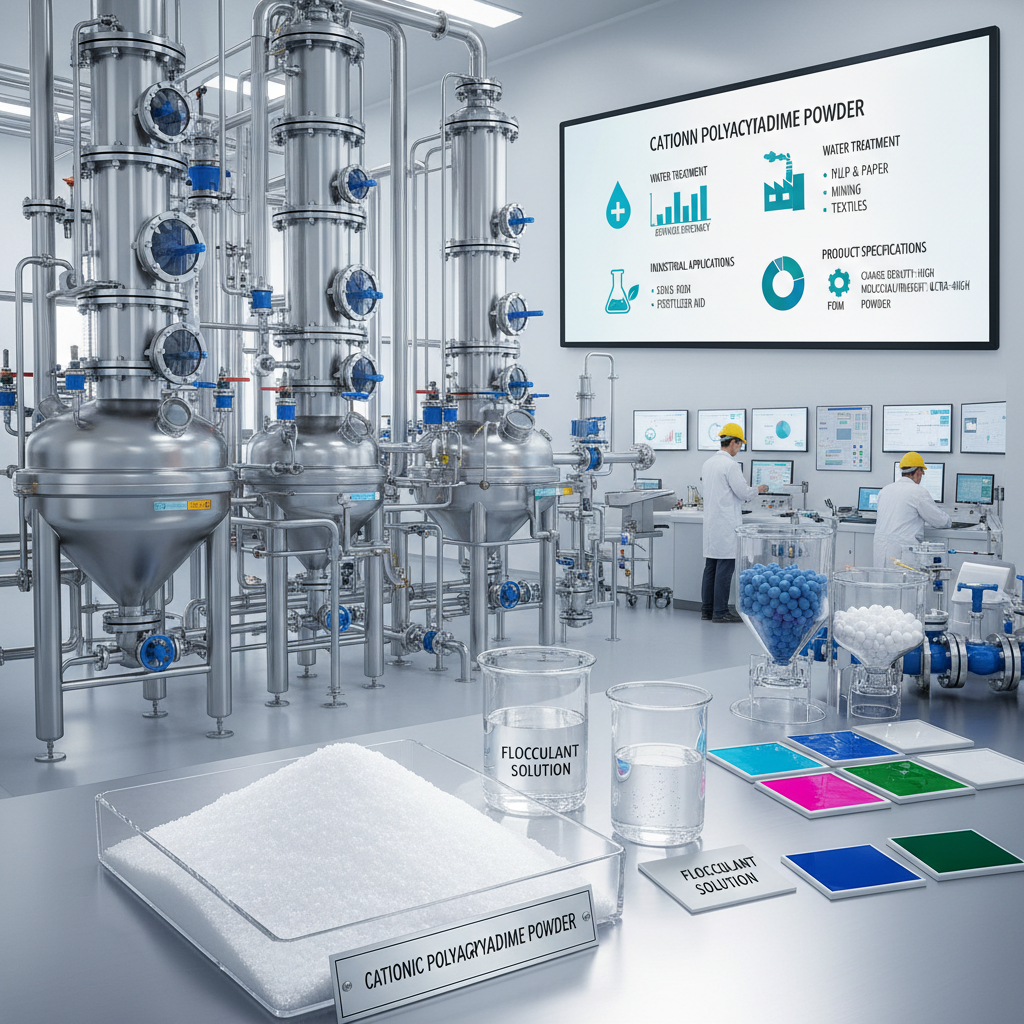
Product Specifications and Safety Considerations
When working with cationic polyacrylamide powder, adhering to safety guidelines is paramount. Avoid inhalation of the powder and direct contact with skin and eyes. Use appropriate personal protective equipment (PPE), such as gloves, goggles, and a dust mask. Store the product in a cool, dry place, away from direct sunlight and moisture. Refer to the Safety Data Sheet (SDS) for detailed safety information. Fizachem provides comprehensive technical support and SDS documentation for all our products.
Conclusion: Harnessing the Power of Cationic Polyacrylamide
Cationic polyacrylamide powder is a powerful and versatile polymer with a wide range of applications. By understanding its properties and carefully selecting the right product for your specific needs, you can significantly improve process efficiency and reduce costs. Fizachem is dedicated to providing high-quality CPAM solutions and expert technical support to help you achieve your goals.
Frequently Asked Questions (FAQs)
What is the optimal pH range for using cationic polyacrylamide?
Cationic polyacrylamide typically performs best within a pH range of 6.0 to 8.0. Outside this range, the polymer's charge density can be affected, reducing its effectiveness. Highly acidic or alkaline conditions can cause the polymer to precipitate or lose its ability to flocculate particles. Adjusting the pH of the solution to within the optimal range is crucial for maximizing performance. The specific optimal pH may vary depending on the formulation of the CPAM and the characteristics of the water being treated. Consulting the product’s technical data sheet and performing jar tests are recommended to determine the best pH for your application.
How do I determine the correct dosage of CPAM?
Determining the correct dosage requires a systematic approach, typically involving jar tests. Jar tests simulate the treatment process on a small scale, allowing you to evaluate the effectiveness of different CPAM dosages. Start with a low dosage and gradually increase it, observing the floc formation and settling rate. The optimal dosage is the point at which you achieve the desired level of clarity and solid-liquid separation without overdosing. Overdosing can lead to polymer residue and increased costs. Factors like water turbidity, particle size distribution, and temperature will influence the optimal dosage.
What are the storage requirements for cationic polyacrylamide powder?
Cationic polyacrylamide powder should be stored in a cool, dry, and well-ventilated area, away from direct sunlight, heat sources, and moisture. Keep the container tightly closed to prevent contamination and absorption of moisture from the air. The recommended storage temperature is between 5°C and 30°C. Proper storage is essential to maintain the polymer's activity and prevent degradation. It is generally recommended to use the product within 24 months of the manufacturing date, but always refer to the manufacturer's specifications for the shelf life.
-
Comprehensive Guide to Polyacrylamide Powder Applications and Industrial BenefitsNewsMar.31,2026
-
Understanding Polyacrylamide Charge and its Impact on Industrial ApplicationsNewsMar.28,2026
-
Comprehensive Guide to Cationic Polyacrylamide for Industrial Water Treatment and BeyondNewsMar.26,2026
-
Comprehensive Guide to Polyacrylamide and its CAS Number 9003058 ApplicationsNewsMar.24,2026
-
Comprehensive Guide to Polyacrylamide CAS No 9003058 and Industrial ApplicationsNewsMar.21,2026
-
Comprehensive Overview of Polyacrylamide CAS 9003058 Applications and PropertiesNewsMar.19,2026
-
Comprehensive Guide to Anionic Polyacrylamide Applications and BenefitsNewsMar.17,2026