Comprehensive Guide to Poly Acrylic Amide Applications and Performance
Poly Acrylic Amide: A Comprehensive Guide
Poly Acrylic Amide (PAM) is a water-soluble polymer gaining prominence across various industries due to its diverse applications. From wastewater treatment to enhanced oil recovery, Fizachem's Poly Acrylic Amide offers effective solutions. This article will delve into the properties, types, applications, and benefits of PAM, providing a comprehensive understanding for professionals and businesses seeking to optimize their processes. Understanding PAM's functionality can lead to significant improvements in efficiency and sustainability.
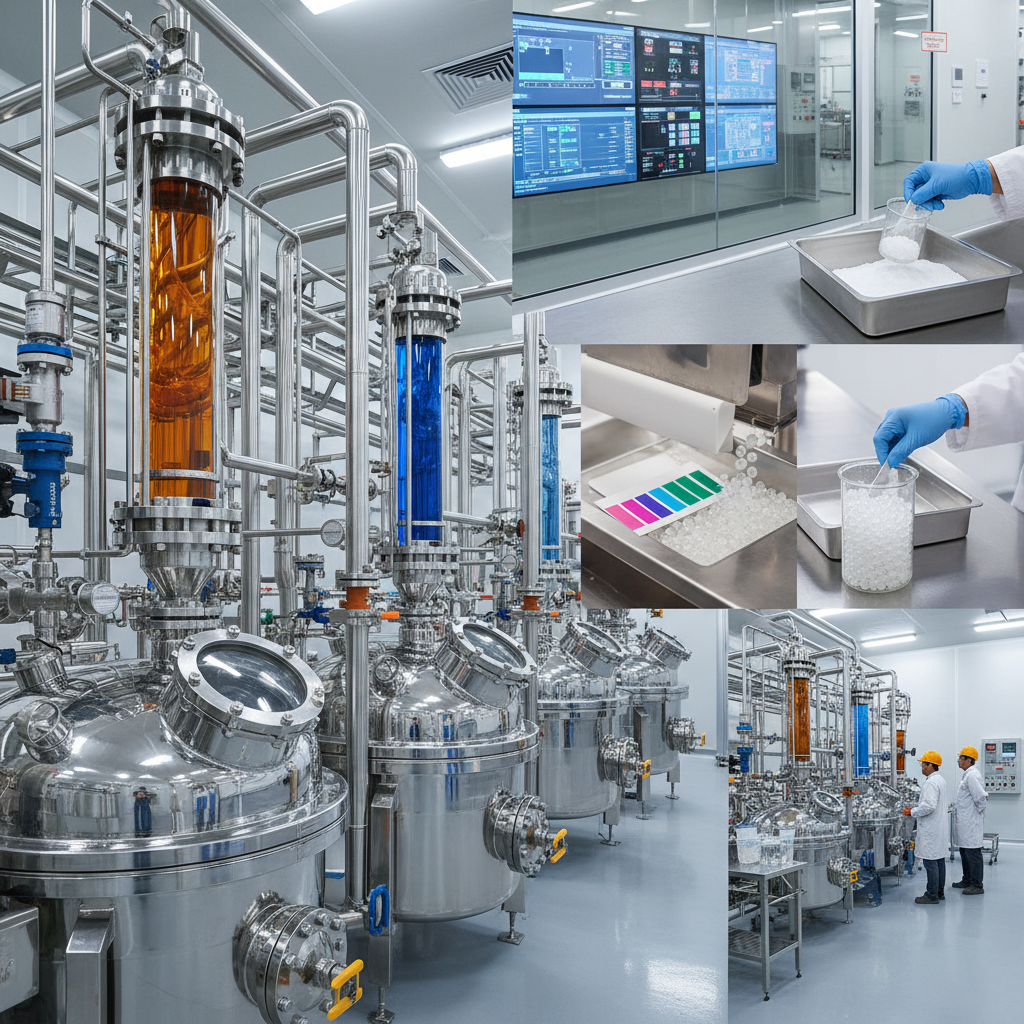
What is Poly Acrylic Amide (PAM)?
Poly Acrylic Amide is a synthetic polymer created from the polymerization of acrylamide monomers. Its molecular weight and charge density can be adjusted, resulting in diverse product grades tailored to specific applications. PAM is non-toxic and biodegradable, making it an environmentally responsible choice. It functions as a flocculant, thickener, dispersant, and soil conditioner. Fizachem’s PAM is renowned for its purity and consistent performance.
Key Highlights: PAM's versatility stems from its ability to be customized in molecular weight and charge, offering solutions for a broad range of industrial needs.
Types of Poly Acrylic Amide
PAM exists in several forms, each with unique properties. These include:
- Anionic PAM: Negatively charged, effective for flocculating positively charged particles.
- Cationic PAM: Positively charged, used for treating negatively charged suspensions.
- Non-ionic PAM: Neutral charge, provides thickening and drag reduction properties.
- Amphoteric PAM: Contains both positive and negative charges, adaptable to various conditions.
The selection of the correct PAM type is crucial for achieving optimal results in any application. Fizachem offers expert guidance in selecting the appropriate PAM grade for your specific requirements.
PAM Type Benefits:
• Anionic PAM: Excellent for water clarification and solid-liquid separation.
• Cationic PAM: Ideal for sludge dewatering and wastewater treatment with organic matter.
• Non-ionic PAM: Enhances viscosity and flow properties in various formulations.
• Amphoteric PAM: Adaptable to changing pH and ionic conditions.
Applications of Poly Acrylic Amide
PAM finds widespread use in several industries:
- Wastewater Treatment: As a flocculant, PAM efficiently removes suspended solids from wastewater.
- Oil & Gas Industry: Enhances oil recovery (EOR) by increasing water viscosity.
- Mining: Aids in mineral processing and tailings management.
- Agriculture: Improves soil structure and water retention.
- Paper Making: Functions as a retention aid and drainage improver.
- Cosmetics & Personal Care: Used as a thickener and stabilizer in various formulations.
Poly Acrylic Amide: Performance Comparison
The effectiveness of PAM compared to other flocculants demonstrates its value. The table below provides a comparison.
Benefits of Using Fizachem’s Poly Acrylic Amide
Choosing Fizachem’s PAM offers several advantages:
- High Efficiency: Requires lower dosage compared to conventional flocculants.
- Cost Savings: Reduced chemical consumption lowers operational costs.
- Improved Performance: Delivers superior clarification and separation results.
- Environmental Responsibility: Non-toxic and biodegradable.
- Customization: Available in various grades to suit diverse needs.
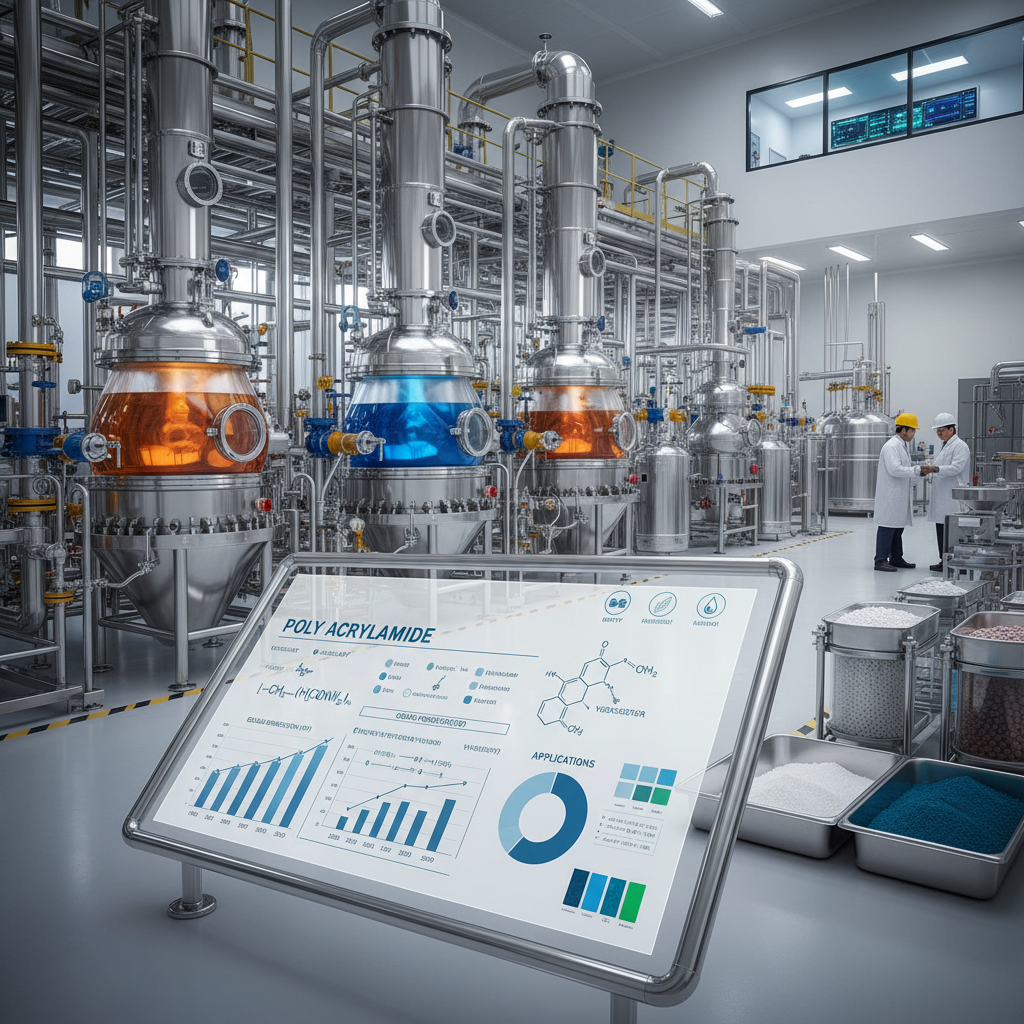
Product Specifications and Quality Control
Fizachem’s PAM undergoes rigorous quality control to ensure consistent performance. Here’s a typical specification:
Conclusion: Optimizing Processes with Fizachem’s Poly Acrylic Amide
Fizachem’s Poly Acrylic Amide is a versatile and effective solution for a wide range of industrial applications. Its customizable properties, high efficiency, and environmental benefits make it a valuable asset for businesses seeking to optimize their processes and reduce costs. Investing in quality PAM from a trusted supplier like Fizachem ensures reliable performance and long-term success.
Frequently Asked Questions (FAQs)
What is the recommended dosage of PAM for wastewater treatment?
The optimal dosage of PAM varies depending on the specific characteristics of the wastewater, including turbidity, suspended solids concentration, and pH. Typically, dosage rates range from 1 to 10 ppm (parts per million). It is highly recommended to conduct jar tests to determine the most effective dosage for your specific application. These tests involve varying PAM concentrations and observing the flocculation performance. Fizachem's technical team can assist you in conducting these tests and determining the optimal dosage for your needs.
Is Poly Acrylic Amide safe for the environment?
PAM is generally considered environmentally safe when used responsibly. It's biodegradable and non-toxic to aquatic life at typical usage concentrations. However, it’s crucial to adhere to proper handling and disposal procedures. Avoid releasing high concentrations of PAM into the environment. Fizachem provides detailed safety data sheets (SDS) with information on handling, storage, and disposal.
How should I store Poly Acrylic Amide?
PAM should be stored in a cool, dry, and well-ventilated area, away from direct sunlight and heat sources. Keep containers tightly closed when not in use to prevent moisture absorption and contamination. The recommended storage temperature is between 5°C and 30°C. Avoid storing PAM near oxidizing agents or incompatible materials. Proper storage helps maintain the product's stability and effectiveness.
-
Comprehensive Guide to Polyacrylamide Powder Applications and Industrial BenefitsNewsMar.31,2026
-
Understanding Polyacrylamide Charge and its Impact on Industrial ApplicationsNewsMar.28,2026
-
Comprehensive Guide to Cationic Polyacrylamide for Industrial Water Treatment and BeyondNewsMar.26,2026
-
Comprehensive Guide to Polyacrylamide and its CAS Number 9003058 ApplicationsNewsMar.24,2026
-
Comprehensive Guide to Polyacrylamide CAS No 9003058 and Industrial ApplicationsNewsMar.21,2026
-
Comprehensive Overview of Polyacrylamide CAS 9003058 Applications and PropertiesNewsMar.19,2026
-
Comprehensive Guide to Anionic Polyacrylamide Applications and BenefitsNewsMar.17,2026