Comprehensive Guide to Polyacrylamide and its CAS Number 9003058 Applications
Understanding Polyacrylamide: A Deep Dive into CAS Number 9003-05-8
Polyacrylamide (PAM), identified by its CAS number 9003-05-8, is a versatile polymer with a wide array of industrial applications. From water treatment and oil recovery to agriculture and paper manufacturing, its unique properties make it indispensable. This article provides a comprehensive overview of polyacrylamide, focusing on its characteristics, applications, and the significance of its CAS number for sourcing and regulatory compliance. Understanding PAM's properties and its specific CAS number is vital for ensuring product quality and adhering to safety standards.
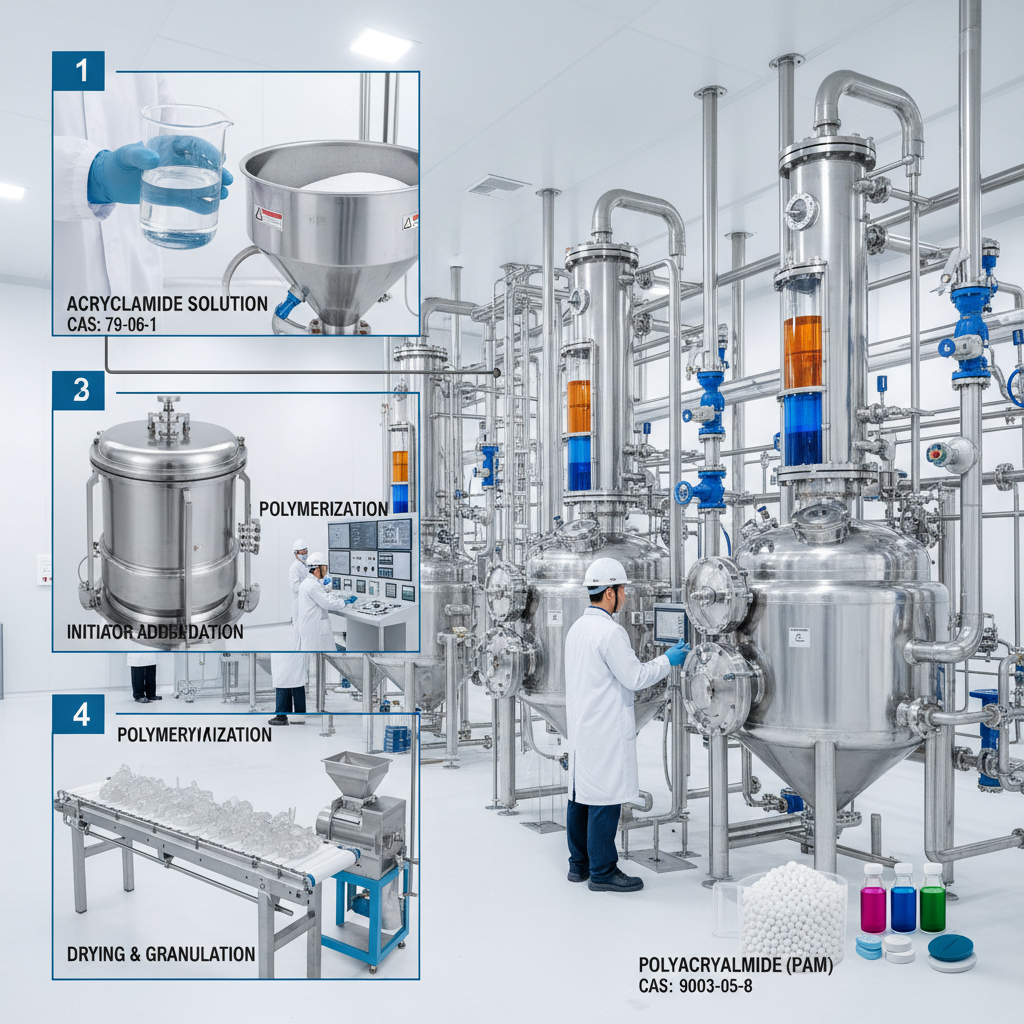
What is Polyacrylamide and Why is the CAS Number Important?
Polyacrylamide is a water-soluble polymer derived from acrylamide. It exists in various forms, including anionic, cationic, and non-ionic, each offering distinct properties suited for different applications. Its effectiveness as a flocculant, thickener, and soil conditioner stems from its ability to absorb large amounts of water and form gels. The CAS number 9003-05-8 is a unique numerical identifier assigned by the Chemical Abstracts Service (CAS). This number is crucial for accurately identifying the substance, facilitating communication, ensuring regulatory compliance, and streamlining the procurement process. Without the correct CAS number, it can be difficult to guarantee you are purchasing the precise grade and quality of polyacrylamide required for your application.
Key Benefits of using CAS Numbers: Accurate identification, regulatory compliance, simplified procurement, and reduced risk of errors.
Polyacrylamide Applications: A Diverse Range of Uses
The versatility of polyacrylamide, and specifically material bearing CAS number 9003-05-8, extends across numerous industries. In water treatment, it acts as a flocculant, effectively removing suspended solids. In the oil and gas industry, it's used to enhance oil recovery by increasing water viscosity. Agriculture benefits from its soil conditioning properties, improving water retention and nutrient availability. Paper manufacturing leverages PAM for enhanced sheet formation and strength. It’s also utilized in mining, cosmetics, and even as a component in certain gel electrophoresis procedures. The specific type of PAM used (anionic, cationic, or non-ionic) dictates its optimal application.
Key Application Areas:
• Water Treatment: Flocculation, clarification
• Oil & Gas: Enhanced oil recovery
• Agriculture: Soil conditioning, water retention
• Paper Making: Sheet formation, strength enhancement
Understanding the Different Forms of Polyacrylamide (CAS Number 9003-05-8)
While all forms share the base CAS number 9003-05-8, the ionic charge significantly alters their properties and applications. Anionic polyacrylamide carries a negative charge and is highly effective in clarifying water and promoting flocculation of positively charged particles. Cationic polyacrylamide, with a positive charge, works best with negatively charged particles, often used in sludge dewatering. Non-ionic polyacrylamide is neutral and finds use in applications where charge is less critical, such as thickening agents. Selecting the correct form is critical for achieving optimal performance.
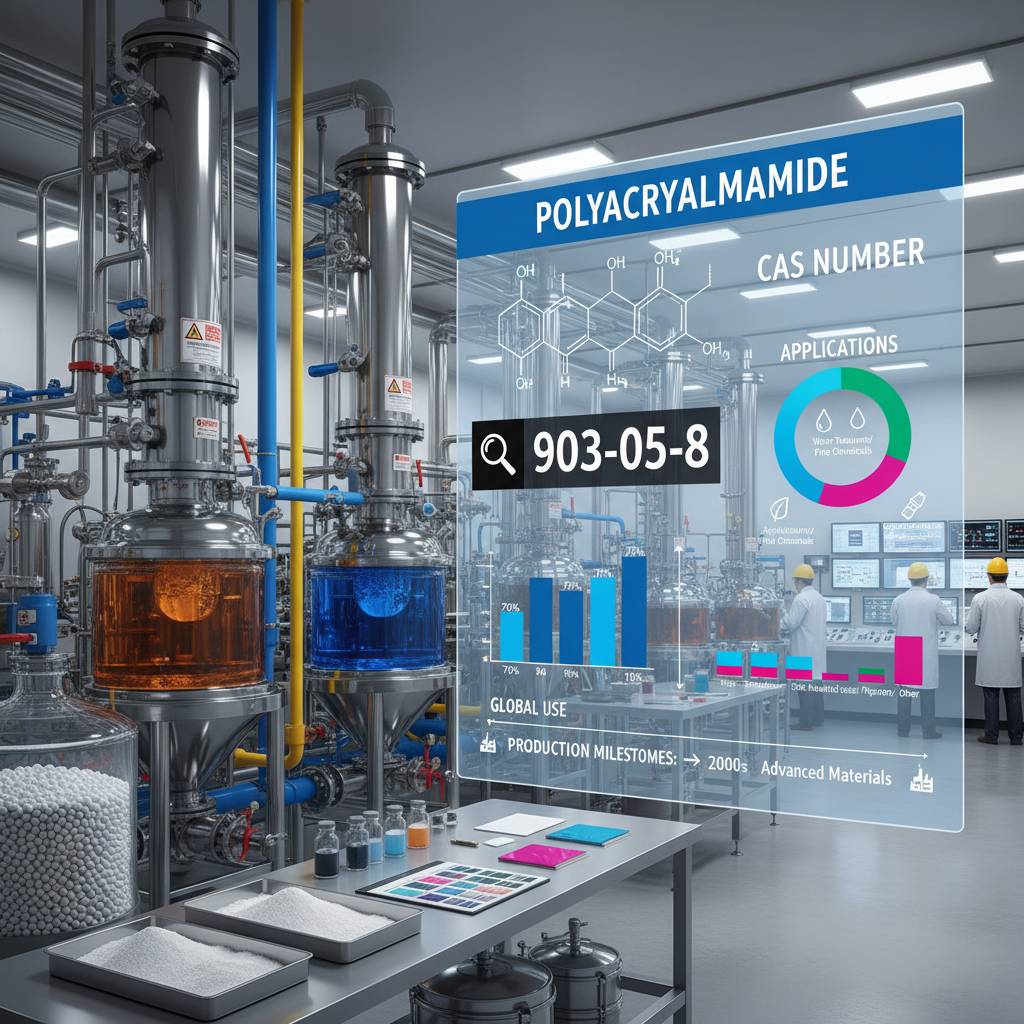
Sourcing Polyacrylamide: Ensuring Quality and Compliance with Fizachem
When sourcing polyacrylamide (CAS number 9003-05-8), partnering with a reputable supplier like Fizachem is paramount. Fizachem provides high-quality polyacrylamide products, backed by rigorous quality control and adherence to international standards. They offer a range of PAM formulations tailored to specific applications, ensuring you receive the optimal product for your needs. Reliable sourcing minimizes the risk of impurities, inconsistent performance, and regulatory issues.
Conclusion: Polyacrylamide – A Critical Polymer for Modern Industry
Polyacrylamide, identified by CAS number 9003-05-8, remains a cornerstone polymer across diverse industries. Understanding its properties, applications, and the importance of the CAS number for accurate identification and compliance is crucial. For reliable sourcing and high-quality products, Fizachem stands as a trusted partner.
Frequently Asked Questions (FAQs)
What are the safety considerations when handling polyacrylamide?
While polyacrylamide is generally considered safe when handled correctly, acrylamide monomer residue can be present. Avoid inhalation of dust or contact with skin and eyes. Wear appropriate personal protective equipment (PPE) such as gloves, goggles, and a dust mask. Refer to the Safety Data Sheet (SDS) for detailed safety information. It’s crucial to note that the concentration of acrylamide monomer is typically very low in commercially available polyacrylamide products, especially those supplied by reputable companies like Fizachem.
Can polyacrylamide be used in potable water treatment?
The use of polyacrylamide in potable water treatment is subject to strict regulations. Only specifically approved grades of polyacrylamide, meeting stringent purity standards, can be used for this purpose. These grades must have extremely low levels of acrylamide monomer. Always verify that the product is certified for potable water applications by relevant regulatory bodies before use.
What factors influence the effectiveness of polyacrylamide as a flocculant?
Several factors influence flocculation effectiveness, including the type of polyacrylamide (anionic, cationic, non-ionic), dosage, pH, temperature, and the characteristics of the suspended particles. Proper mixing and sufficient contact time are also crucial. Jar tests are often conducted to determine the optimal dosage and type of polyacrylamide for a specific application.
-
Comprehensive Guide to Polyacrylamide Powder Applications and Industrial BenefitsNewsMar.31,2026
-
Understanding Polyacrylamide Charge and its Impact on Industrial ApplicationsNewsMar.28,2026
-
Comprehensive Guide to Cationic Polyacrylamide for Industrial Water Treatment and BeyondNewsMar.26,2026
-
Comprehensive Guide to Polyacrylamide CAS No 9003058 and Industrial ApplicationsNewsMar.21,2026
-
Comprehensive Overview of Polyacrylamide CAS 9003058 Applications and PropertiesNewsMar.19,2026
-
Comprehensive Guide to Anionic Polyacrylamide Applications and BenefitsNewsMar.17,2026
-
Comprehensive Guide to Partially Hydrolyzed Polyacrylamide and Its ApplicationsNewsMar.14,2026