Comprehensive Overview of Polyacrylamide CAS 9003058 Applications and Properties
Understanding Polyacrylamide CAS: Applications and Insights
Polyacrylamide (PAM), identified by its CAS number 9003-05-8, is a water-soluble polymer with a wide range of applications across various industries. This versatile material is valued for its thickening, flocculating, and stabilizing properties. This article delves into the chemical properties, diverse applications, and crucial considerations when utilizing polyacrylamide, providing a comprehensive overview for professionals and researchers alike. Understanding the nuances of polyacrylamide CAS is essential for maximizing its effectiveness and ensuring safe handling.
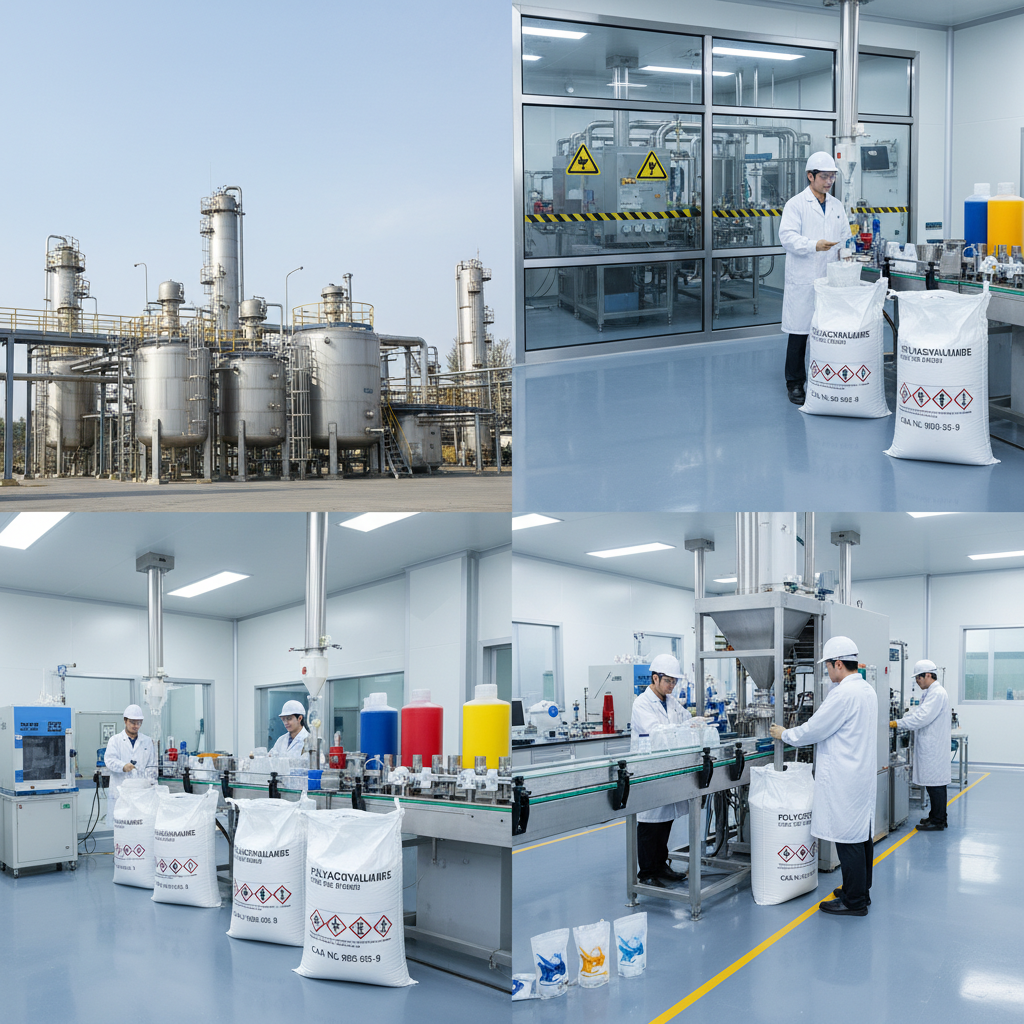
Chemical Properties of Polyacrylamide
Polyacrylamide is a polymer formed from acrylamide monomers. It exists in various forms – anionic, cationic, and non-ionic – each offering distinct properties tailored to specific applications. The charge of the polymer influences its interaction with other substances, impacting its performance as a flocculant or thickening agent. Its high molecular weight contributes to its ability to increase the viscosity of water-based solutions and enhance particle suspension. The polymer's solubility in water is a key characteristic, allowing for easy dispersion and application in various processes. The CAS number 9003-05-8 specifically refers to the general polymer, while specific formulations may have additional CAS numbers depending on the degree of modification.
Key Highlights: Polyacrylamide is a water-soluble polymer available in anionic, cationic and non-ionic forms. It excels as a flocculant, thickener and stabilizer in diverse industrial applications.
Applications in Wastewater Treatment: A Core Function of Polyacrylamide CAS
One of the most significant applications of polyacrylamide CAS 9003-05-8 is in wastewater treatment. It acts as a powerful flocculant, causing suspended particles to clump together, forming larger flocs that can be easily removed through sedimentation or filtration. This process significantly improves water clarity and reduces the concentration of pollutants. Different charge types are utilized based on the characteristics of the wastewater; cationic PAM is often used for negatively charged particles, while anionic PAM is effective for positively charged particles. Its effectiveness translates to reduced sludge volume and improved overall treatment efficiency.
Wastewater Treatment Benefits:
• Efficient removal of suspended solids
• Reduced sludge volume
• Improved water clarity
• Enhanced overall treatment efficiency
Polyacrylamide CAS in the Oil and Gas Industry
The oil and gas industry utilizes polyacrylamide CAS 9003-05-8 extensively in enhanced oil recovery (EOR) processes. By increasing the viscosity of injected water, PAM helps to improve the sweep efficiency, pushing more oil towards the production wells. It's also employed as a drilling fluid additive to control fluid loss and stabilize wellbores. Furthermore, PAM aids in the dewatering of oil sludge and the treatment of produced water, minimizing environmental impact. The specific grade of PAM used is carefully selected to withstand the harsh conditions encountered in oilfield operations.
Other Industrial Applications of Polyacrylamide
Beyond wastewater and oil & gas, polyacrylamide (CAS 9003-05-8) finds applications in diverse sectors. In the paper industry, it enhances paper strength and improves retention of fillers. In agriculture, it acts as a soil conditioner, improving water retention and reducing erosion. It’s also used in mining for mineral processing and tailings management. The versatility of PAM stems from its ability to modify rheological properties and facilitate separation processes, making it a valuable asset across numerous industrial landscapes.
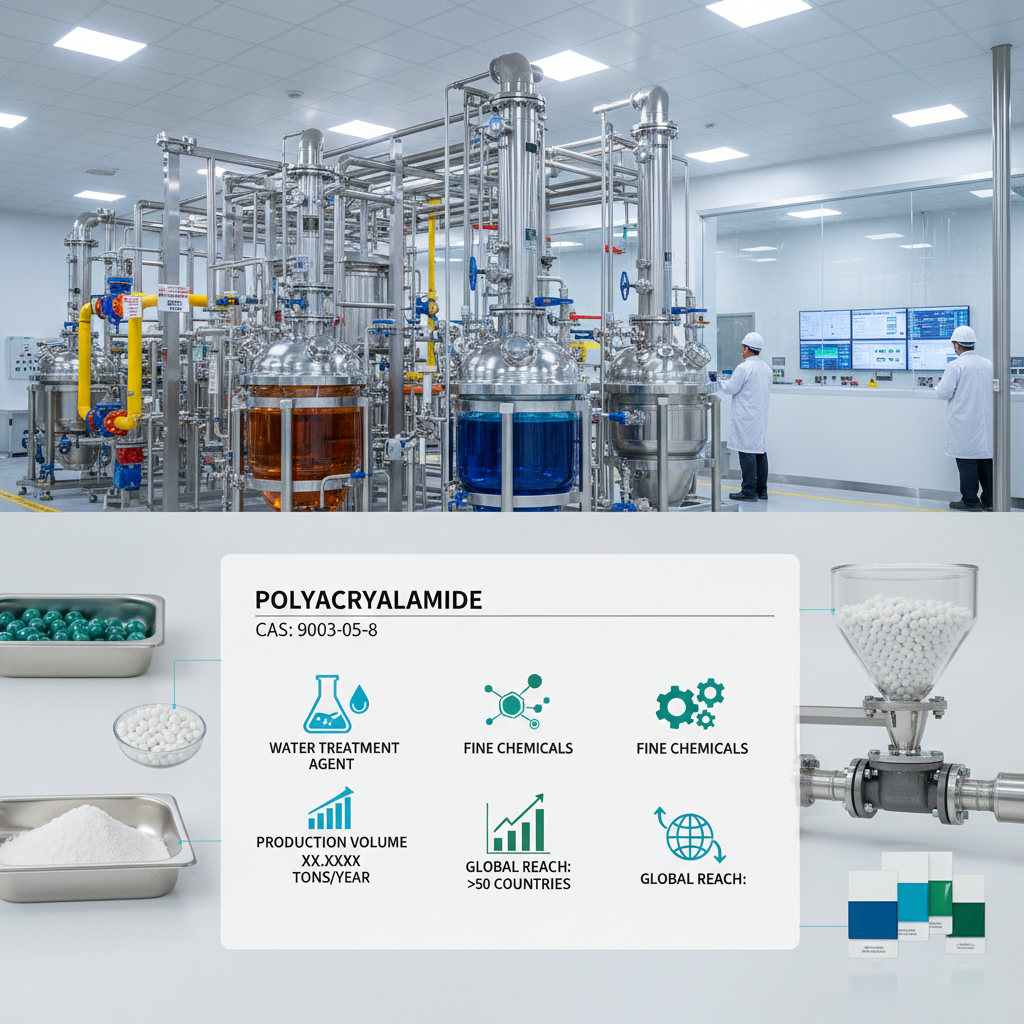
Safety Considerations and Handling of Polyacrylamide CAS
While polyacrylamide (CAS 9003-05-8) is generally considered safe, proper handling procedures are crucial. Acrylamide monomer, a residual component in some PAM formulations, is a neurotoxin. Therefore, it’s essential to choose products with low residual monomer content. Always refer to the Safety Data Sheet (SDS) for specific handling guidelines, including appropriate personal protective equipment (PPE) such as gloves and eye protection. Avoid inhalation of dust and ensure adequate ventilation during use. Store PAM in a cool, dry place away from incompatible materials.
Conclusion: A Versatile Polymer with Wide-Ranging Applications
Polyacrylamide CAS 9003-05-8 is a remarkably versatile polymer with applications spanning numerous industries. Its unique properties as a flocculant, thickener, and stabilizer make it an invaluable tool for wastewater treatment, oil recovery, and various other processes. By understanding its chemical properties, applications, and safety considerations, professionals can effectively utilize this powerful material to optimize their operations and achieve desired results.
Frequently Asked Questions (FAQs)
What is the difference between anionic and cationic polyacrylamide?
Anionic polyacrylamide carries a negative charge, making it effective for flocculating positively charged particles, often found in wastewater treatment. Cationic polyacrylamide, conversely, carries a positive charge and is better suited for flocculating negatively charged particles. The choice between the two depends on the charge of the suspended solids you're trying to remove. A jar test is commonly used to determine which type of PAM is most effective for a specific application.
What does CAS number 9003-05-8 signify?
CAS number 9003-05-8 is a unique numerical identifier assigned by the Chemical Abstracts Service (CAS) to polyacrylamide. It's a standard way to identify the chemical substance across databases and regulatory documents. It's important to note that specific formulations of polyacrylamide with modifications or additives may have their own distinct CAS numbers.
How should polyacrylamide be stored to maintain its effectiveness?
Polyacrylamide should be stored in a cool, dry, and well-ventilated area, away from direct sunlight, heat, and incompatible materials like strong oxidizers. It’s crucial to keep the container tightly closed to prevent moisture absorption, which can lead to clumping and reduced effectiveness. Proper storage will ensure the polymer maintains its intended properties and performance.
-
Comprehensive Guide to Polyacrylamide Powder Applications and Industrial BenefitsNewsMar.31,2026
-
Understanding Polyacrylamide Charge and its Impact on Industrial ApplicationsNewsMar.28,2026
-
Comprehensive Guide to Cationic Polyacrylamide for Industrial Water Treatment and BeyondNewsMar.26,2026
-
Comprehensive Guide to Polyacrylamide and its CAS Number 9003058 ApplicationsNewsMar.24,2026
-
Comprehensive Guide to Polyacrylamide CAS No 9003058 and Industrial ApplicationsNewsMar.21,2026
-
Comprehensive Guide to Anionic Polyacrylamide Applications and BenefitsNewsMar.17,2026
-
Comprehensive Guide to Partially Hydrolyzed Polyacrylamide and Its ApplicationsNewsMar.14,2026