Paa Polyacrylamide Applications and Benefits A Comprehensive Guide
Paa Polyacrylamide: A Comprehensive Guide to Applications and Benefits
Paa polyacrylamide, also known as polyacrylamide, is a water-soluble polymer with a wide range of applications across numerous industries. Its versatility stems from its unique properties – excellent flocculation, thickening, and soil conditioning capabilities. This article will delve into the diverse applications of paa polyacrylamide, its benefits, and crucial factors to consider when selecting a product. Understanding the specifics of this polymer can lead to significant improvements in efficiency and cost-effectiveness within your operations. Explore how Fizachem's polyacrylamide products can meet your specific needs.
Understanding Paa Polyacrylamide: Properties and Types
Paa polyacrylamide is a synthetic polymer derived from acrylamide. It exists in various forms – anionic, cationic, and non-ionic – each possessing distinct properties suitable for different applications. Anionic polyacrylamide carries a negative charge and is commonly used in wastewater treatment and paper manufacturing. Cationic polyacrylamide has a positive charge, making it ideal for sludge dewatering and improving soil structure. Non-ionic polyacrylamide is neutral and often used as a thickening agent. The molecular weight of the polyacrylamide also significantly impacts its performance; higher molecular weight polymers generally exhibit greater flocculation efficiency. Fizachem offers a comprehensive range of polyacrylamide products tailored to specific industrial requirements.
Key Highlights: Paa polyacrylamide exists in anionic, cationic, and non-ionic forms, each optimized for specific applications. Molecular weight impacts flocculation efficiency.
Paa Polyacrylamide in Wastewater Treatment
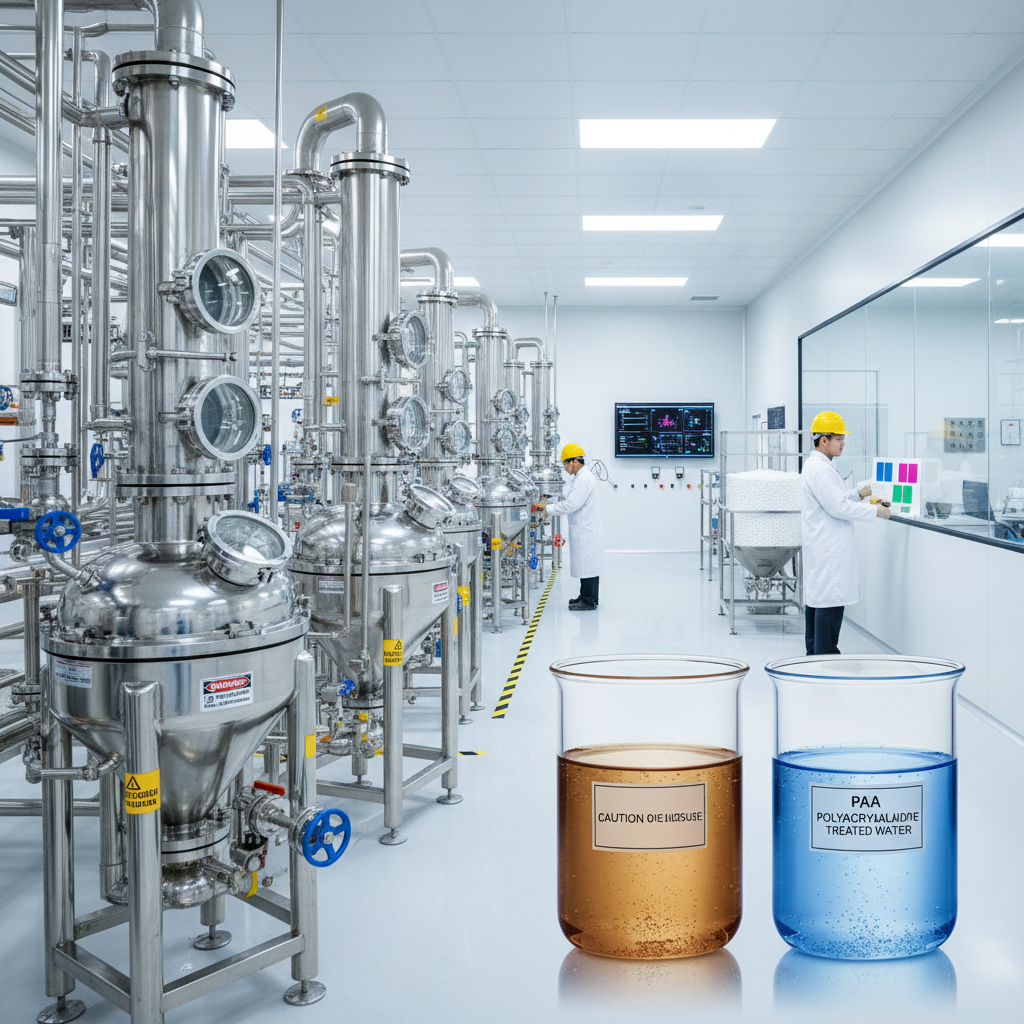
One of the most significant applications of paa polyacrylamide is in wastewater treatment. It acts as a highly effective flocculant, causing suspended particles to clump together (flocculate) and settle out of the water, improving water clarity and reducing turbidity. This is vital for both industrial effluent treatment and municipal sewage plants. The use of polyacrylamide significantly reduces the amount of sludge produced, leading to lower disposal costs. Different types of polyacrylamide are used depending on the nature of the wastewater. For example, anionic polyacrylamide is often used for treating wastewater containing positively charged particles.
Benefits in Wastewater Treatment:
• Improved water clarity
• Reduced turbidity
• Lower sludge production
• Reduced disposal costs
Paa Polyacrylamide vs. Other Flocculants: A Comparison
While several flocculants are available, paa polyacrylamide often outperforms alternatives like alum or ferric chloride due to its higher efficiency at lower dosages. Alum and ferric chloride can generate large volumes of sludge and may require pH adjustments for optimal performance. Polyacrylamide, on the other hand, generally produces less sludge and is effective across a wider pH range. Furthermore, the varying charge characteristics of polyacrylamide allow for tailored solutions specific to the contaminants present in the water or soil. Choosing the right flocculant can significantly impact treatment costs and environmental impact.
Diverse Applications of Paa Polyacrylamide
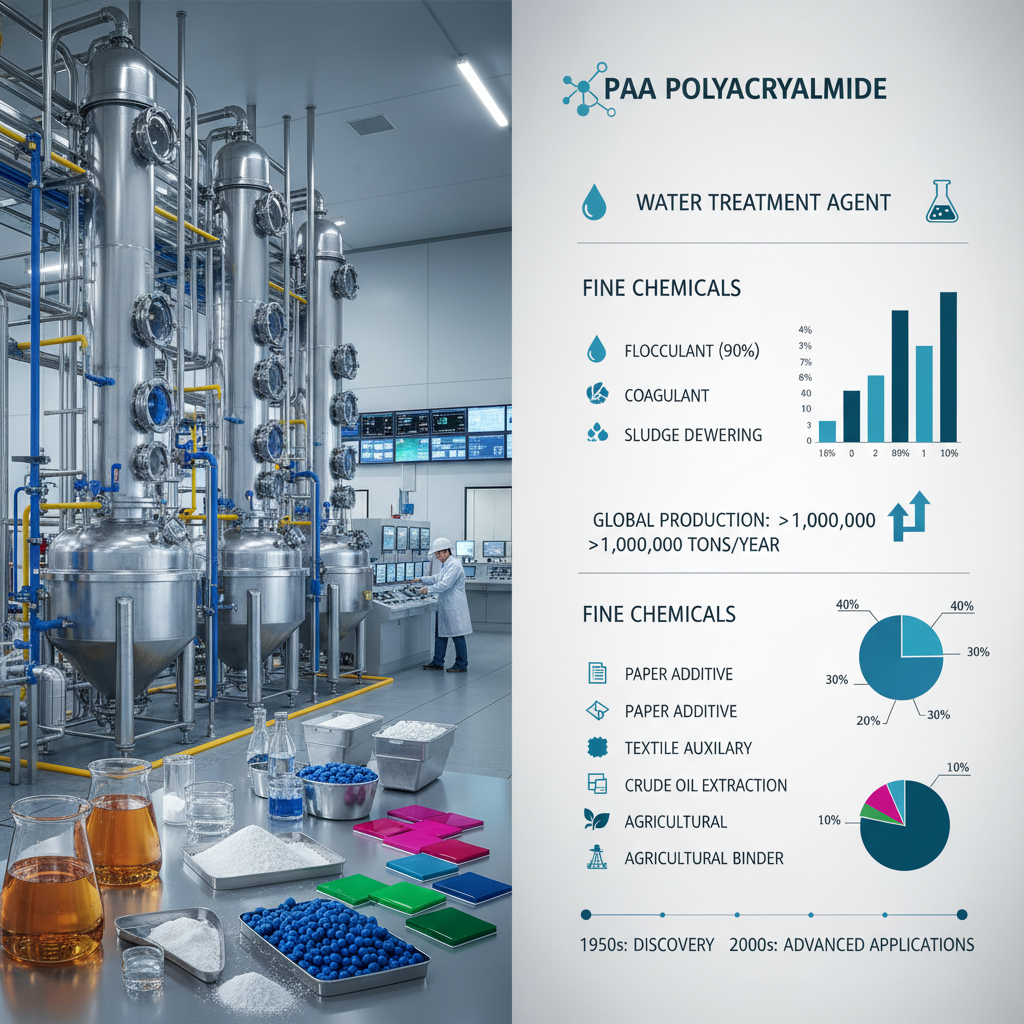
Beyond wastewater treatment, paa polyacrylamide finds application in a diverse range of industries. In agriculture, it's used as a soil conditioner to improve water retention and reduce erosion. In paper manufacturing, it acts as a retention aid, improving paper strength and reducing fiber loss. It is also utilized in mining for mineral processing, oil recovery for enhanced oil extraction, and cosmetics as a thickening and stabilizing agent. Fizachem provides customized polyacrylamide solutions for each of these sectors.
Selecting the Right Paa Polyacrylamide Product
Choosing the appropriate paa polyacrylamide product requires careful consideration of several factors, including the application, water chemistry, and desired performance characteristics. The molecular weight, charge density, and polymer type (anionic, cationic, or non-ionic) must be carefully matched to the specific requirements. It is also important to consider the solubility and stability of the polymer in the operating environment. Contacting our experts at Fizachem can provide tailored guidance and product recommendations.
Conclusion: Leveraging the Power of Paa Polyacrylamide
Paa polyacrylamide is a highly versatile polymer offering significant benefits across a wide array of industries. Its exceptional flocculation, thickening, and soil conditioning properties make it an invaluable tool for improving efficiency, reducing costs, and enhancing environmental sustainability. Fizachem is dedicated to providing high-quality polyacrylamide products and expert support to help you achieve your operational goals.
Frequently Asked Questions (FAQs)
What safety precautions should be taken when handling Paa Polyacrylamide?
While polyacrylamide is generally considered non-toxic, it's essential to handle it with care. Avoid inhaling the dust, and wear appropriate personal protective equipment (PPE) such as gloves, safety glasses, and a dust mask during handling. Ensure adequate ventilation in the work area. Refer to the Safety Data Sheet (SDS) for detailed safety information. Avoid contact with skin and eyes; if contact occurs, rinse thoroughly with water. Store the product in a cool, dry place away from incompatible materials.
How is the molecular weight of polyacrylamide determined?
The molecular weight of polyacrylamide is typically determined using techniques like gel permeation chromatography (GPC) or viscometry. GPC separates polymer molecules based on their size, allowing for the determination of the molecular weight distribution. Viscometry measures the viscosity of a polymer solution, which is related to its molecular weight. The molecular weight significantly impacts the polymer's performance characteristics, with higher molecular weight polymers generally exhibiting greater flocculation efficiency.
What is the difference between anionic and cationic polyacrylamide?
Anionic polyacrylamide carries a negative charge, making it effective for treating positively charged particles commonly found in industrial wastewater and certain soil types. Cationic polyacrylamide carries a positive charge and is best suited for treating negatively charged particles, such as those found in sludge dewatering and some clay soils. Selecting the appropriate charge type is crucial for optimal flocculation performance.
Can Paa Polyacrylamide be used in potable water treatment?
The use of polyacrylamide in potable water treatment is subject to stringent regulations and requires specific grades of polymer that meet drinking water standards. Not all polyacrylamide products are suitable for this application. It's crucial to use a product that is certified for potable water treatment and to adhere to all applicable regulatory guidelines. Fizachem can provide information on suitable products for potable water treatment applications.
-
Comprehensive Guide to Polyacrylamide Powder Applications and Industrial BenefitsNewsMar.31,2026
-
Understanding Polyacrylamide Charge and its Impact on Industrial ApplicationsNewsMar.28,2026
-
Comprehensive Guide to Cationic Polyacrylamide for Industrial Water Treatment and BeyondNewsMar.26,2026
-
Comprehensive Guide to Polyacrylamide and its CAS Number 9003058 ApplicationsNewsMar.24,2026
-
Comprehensive Guide to Polyacrylamide CAS No 9003058 and Industrial ApplicationsNewsMar.21,2026
-
Comprehensive Overview of Polyacrylamide CAS 9003058 Applications and PropertiesNewsMar.19,2026
-
Comprehensive Guide to Anionic Polyacrylamide Applications and BenefitsNewsMar.17,2026