Comprehensive Guide to Anionic Polyacrylamide Applications and Benefits
Anionic Polyacrylamide: A Comprehensive Guide
Anionic polyacrylamide (APAM) is a water-soluble polymer widely utilized across a diverse range of industries, from wastewater treatment to enhanced oil recovery. Its effectiveness stems from its ability to flocculate, thicken, and modify the rheology of aqueous solutions. Understanding the properties, applications, and benefits of anionic polyacrylamide is crucial for optimizing processes and achieving desired results. This article delves into the intricacies of this versatile polymer, providing a detailed overview for professionals and those seeking to leverage its capabilities.
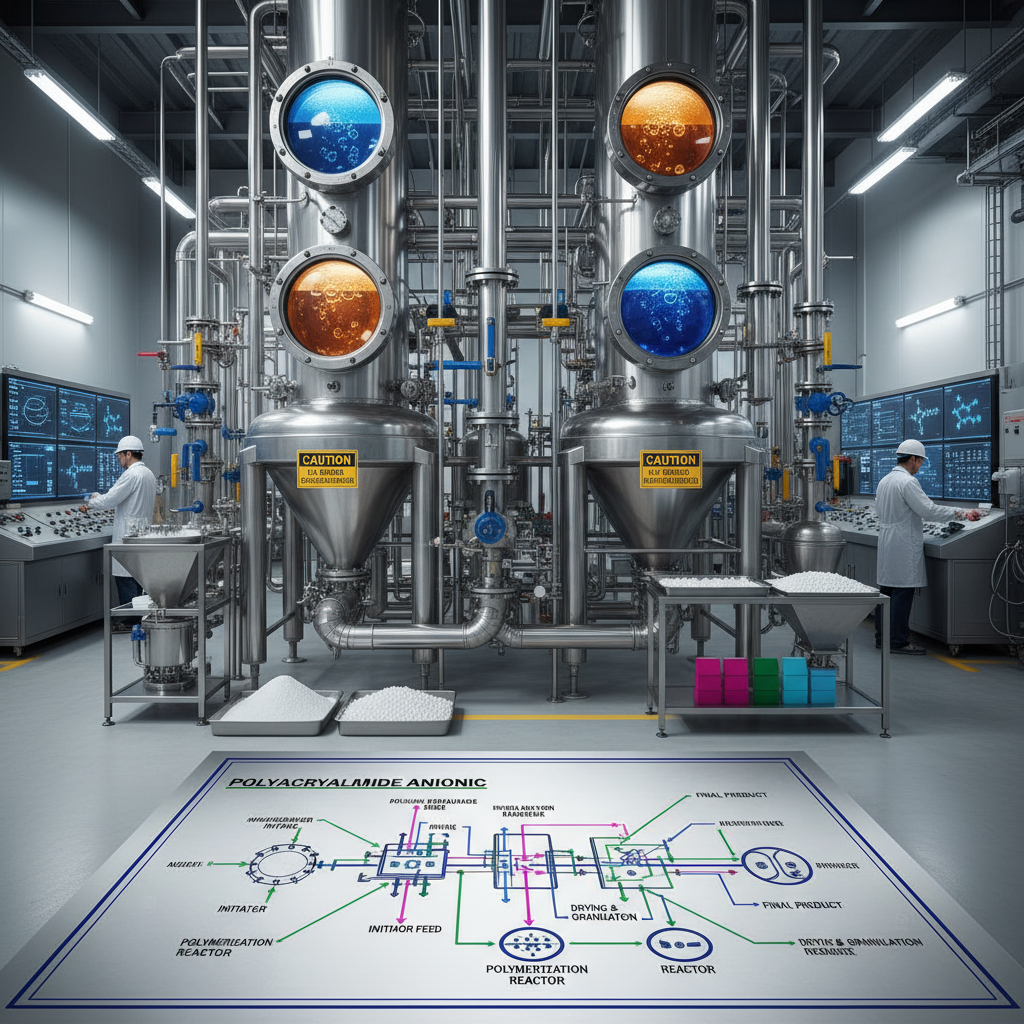
Understanding Anionic Polyacrylamide
Anionic polyacrylamide is a synthetic polymer created from acrylamide monomer with anionic functional groups. The anionic charge, introduced through a copolymerization process with an anionic monomer, provides the polymer with its distinctive characteristics. These negatively charged groups are crucial for its effectiveness in binding with positively charged particles in suspension, causing them to aggregate and settle out of solution. This process, known as flocculation, is fundamental to many of its applications. The molecular weight and charge density of the APAM can be tailored to specific requirements, impacting its performance in different applications. Fizachem's anionic polyacrylamide offers a range of molecular weights and charge densities to meet diverse industrial needs.
Key Highlights: Anionic polyacrylamide excels in flocculation, thickening, and rheology modification. Its anionic charge enables effective binding with positively charged particles.
Key Applications of Anionic Polyacrylamide
The versatility of anionic polyacrylamide is demonstrated by its widespread use across numerous industries. One of the most significant applications is in wastewater treatment, where it efficiently removes suspended solids, leading to cleaner effluent. It’s also heavily utilized in the paper industry as a retention aid, improving paper quality and reducing fiber loss. Furthermore, APAM plays a crucial role in the mining industry for mineral processing and tailings management. In the oil and gas sector, it's employed in enhanced oil recovery (EOR) techniques to increase oil production. The agricultural industry uses it for soil conditioning and water retention, and it’s also found in cosmetics and personal care products as a thickening agent.
Application Areas:
• Wastewater Treatment
• Paper Manufacturing
• Mining & Mineral Processing
• Oil & Gas (EOR)
• Agriculture
Anionic Polyacrylamide in Wastewater Treatment: A Closer Look
In wastewater treatment plants, anionic polyacrylamide acts as a powerful flocculant, aggregating suspended particles into larger flocs that readily settle or are easily removed by filtration. This significantly improves water clarity and reduces the load on subsequent treatment stages. The dosage of APAM is critical and must be optimized based on the specific characteristics of the wastewater, including pH, temperature, and the type of suspended solids present. Proper dosage ensures maximum flocculation efficiency and minimizes residual polymer in the treated water. Fizachem provides expert consultation to determine the optimal APAM grade and dosage for your specific wastewater treatment needs.

Comparing Anionic, Cationic, and Non-Ionic Polyacrylamides
Polyacrylamide exists in three main forms: anionic, cationic, and non-ionic. Each type possesses unique characteristics and is suited for different applications. Anionic polyacrylamide, as discussed, is best for treating positively charged particles. Cationic polyacrylamide is effective for negatively charged particles and is often used in sludge dewatering. Non-ionic polyacrylamide is generally used as a thickening agent and has a broader range of applications. The selection of the appropriate polymer depends on the charge characteristics of the particles being treated and the desired outcome.
Product Specifications and Quality Control at Fizachem
Fizachem is committed to delivering high-quality anionic polyacrylamide that meets stringent industry standards. Our APAM undergoes rigorous quality control testing throughout the production process, ensuring consistent performance and reliability. We offer a range of product specifications to cater to diverse applications.
Conclusion: Optimizing Your Processes with Fizachem's Anionic Polyacrylamide
Anionic polyacrylamide remains a cornerstone polymer in numerous industrial processes, offering exceptional performance in flocculation, thickening, and rheology modification. Fizachem is your trusted partner for high-quality APAM and expert technical support, helping you optimize your operations and achieve superior results. Contact us today to discuss your specific needs and discover how our solutions can benefit your business.
Frequently Asked Questions (FAQs)
What factors affect the performance of anionic polyacrylamide?
Several factors influence the effectiveness of anionic polyacrylamide. These include pH, temperature, shear rate, and the concentration of electrolytes in the solution. pH significantly affects the charge density of both the polymer and the particles being flocculated. Temperature can impact the polymer's solubility and viscosity. Shear rate, or the level of agitation, can either enhance or disrupt floc formation. The presence of electrolytes can screen the charges, reducing flocculation efficiency. Careful control and optimization of these parameters are crucial for achieving optimal results. Fizachem provides technical guidance on optimizing these factors for your specific application.
How should anionic polyacrylamide be stored?
Anionic polyacrylamide should be stored in a cool, dry, and well-ventilated area, away from direct sunlight and sources of heat. It's important to keep the material sealed in its original packaging to prevent moisture absorption and degradation. Avoid storing APAM near oxidizing agents or incompatible chemicals. Proper storage conditions help maintain the polymer's efficacy and extend its shelf life. Refer to the Safety Data Sheet (SDS) for detailed storage instructions.
What is the correct dosage of anionic polyacrylamide?
The optimal dosage of anionic polyacrylamide varies significantly depending on the application and the characteristics of the system being treated. Factors such as the type and concentration of suspended solids, pH, temperature, and the desired level of clarification all influence the required dosage. A jar test is typically conducted to determine the optimal dosage for a specific application. This involves incrementally adding APAM to a sample of the solution and observing the flocculation performance. Fizachem's technical team can assist with jar testing and dosage optimization.
Is anionic polyacrylamide environmentally friendly?
While anionic polyacrylamide is not biodegradable, it is generally considered to be relatively environmentally benign when used responsibly and in accordance with recommended dosage levels. The low dosage rates typically employed minimize the potential for environmental impact. However, it's crucial to ensure that residual polymer in treated effluent is within acceptable limits. Fizachem is committed to sustainable practices and offers APAM grades with optimized biodegradability profiles.
-
Comprehensive Guide to Polyacrylamide Powder Applications and Industrial BenefitsNewsMar.31,2026
-
Understanding Polyacrylamide Charge and its Impact on Industrial ApplicationsNewsMar.28,2026
-
Comprehensive Guide to Cationic Polyacrylamide for Industrial Water Treatment and BeyondNewsMar.26,2026
-
Comprehensive Guide to Polyacrylamide and its CAS Number 9003058 ApplicationsNewsMar.24,2026
-
Comprehensive Guide to Polyacrylamide CAS No 9003058 and Industrial ApplicationsNewsMar.21,2026
-
Comprehensive Overview of Polyacrylamide CAS 9003058 Applications and PropertiesNewsMar.19,2026
-
Comprehensive Guide to Partially Hydrolyzed Polyacrylamide and Its ApplicationsNewsMar.14,2026