Comprehensive Guide to Sodium Chloride Solution Preparation and its Applications
Sodium Chloride Solution Preparation: A Comprehensive Guide
Preparing a sodium chloride (NaCl) solution is a fundamental procedure across numerous scientific and industrial applications, from biological research to medical treatments and even food processing. Understanding the correct techniques for sodium chloride solution preparation is crucial for achieving accurate and reliable results. This article provides a detailed guide, covering materials, procedures, safety considerations, and common applications. Accurate solution preparation is foundational to dependable experimental outcomes.
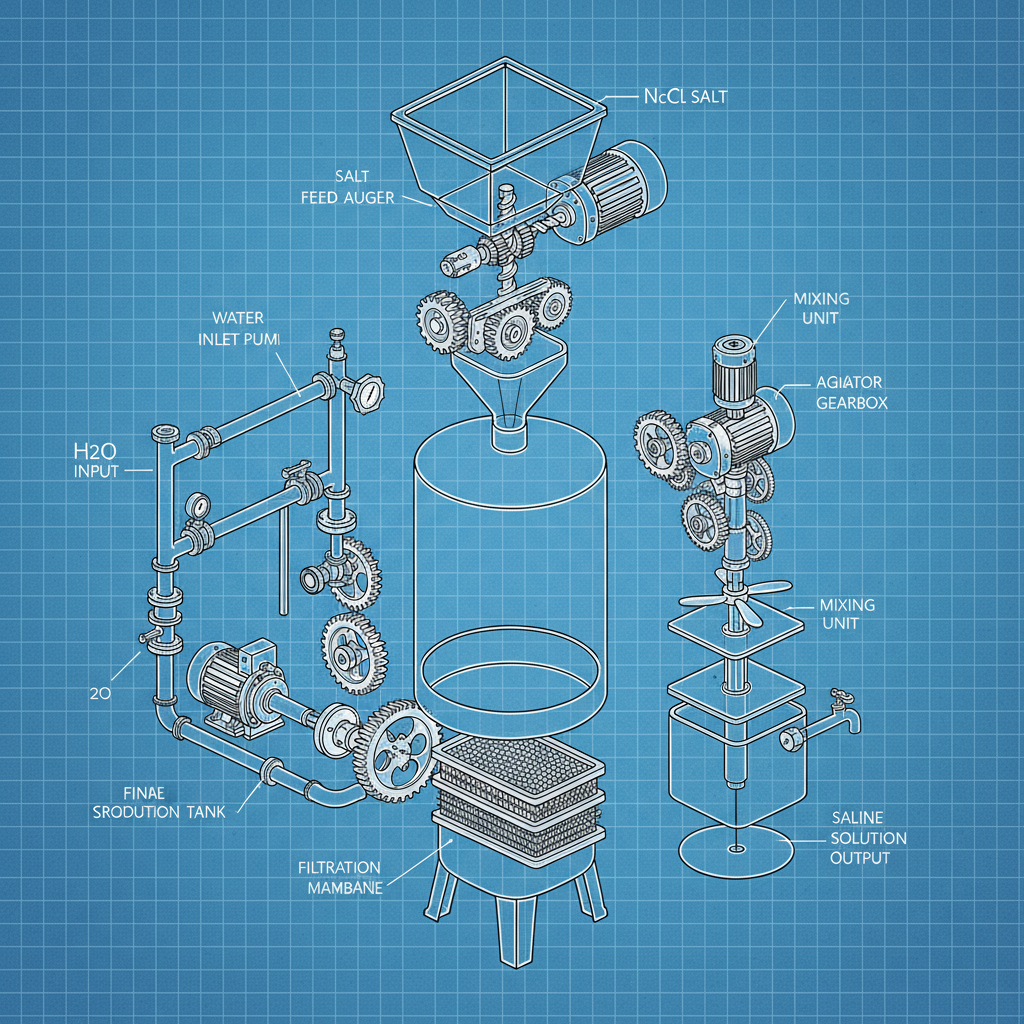
Materials Required for Sodium Chloride Solution Preparation
To prepare a sodium chloride solution, you’ll need a few essential materials. First, you require sodium chloride (NaCl) of appropriate purity – typically reagent grade is sufficient for most laboratory applications. Second, you will need distilled or deionized water, as tap water contains impurities that can interfere with experimental results. Accurate weighing requires an analytical balance. Finally, volumetric flasks are essential for precise volume measurements. Beakers, stirring rods, and a suitable container for waste disposal will also be needed. You can find high quality reagents at Fizachem’s chemical catalog.
Essential Materials: Distilled/Deionized water, NaCl (Reagent Grade), Analytical Balance, Volumetric Flasks, Beakers, Stirring Rods.
Step-by-Step Procedure for Sodium Chloride Solution Preparation
The procedure for preparing a sodium chloride solution is straightforward but requires precision. Begin by calculating the mass of NaCl required for the desired concentration and volume. The formula is: Mass (g) = Concentration (g/L) x Volume (L). Weigh the calculated amount of NaCl using an analytical balance and transfer it to a beaker. Add a portion of distilled water to the beaker and stir until the NaCl is completely dissolved. Once dissolved, transfer the solution to a volumetric flask of the appropriate volume. Add distilled water to the flask until the solution reaches the calibration mark. Ensure the bottom of the meniscus aligns with the mark. Mix thoroughly by inverting the flask several times.
Key Steps:
• Calculate the required mass of NaCl.
• Dissolve NaCl in distilled water.
• Transfer to a volumetric flask.
• Adjust to the final volume with distilled water.
• Mix thoroughly.
Comparing Different Concentrations of Sodium Chloride Solution
Sodium chloride solutions are prepared at various concentrations depending on the application. Here’s a comparison of common concentrations and their uses:
Safety Precautions When Preparing Sodium Chloride Solutions
While preparing a sodium chloride solution is generally safe, certain precautions should be taken. Always wear appropriate personal protective equipment (PPE), including safety glasses and gloves. Avoid contact with eyes and skin. In case of contact, flush immediately with copious amounts of water. Handle NaCl with care to avoid dust inhalation. Dispose of any unused solution or waste materials according to established laboratory protocols. Fizachem provides safety data sheets (SDS) for all chemicals, offering detailed safety information.
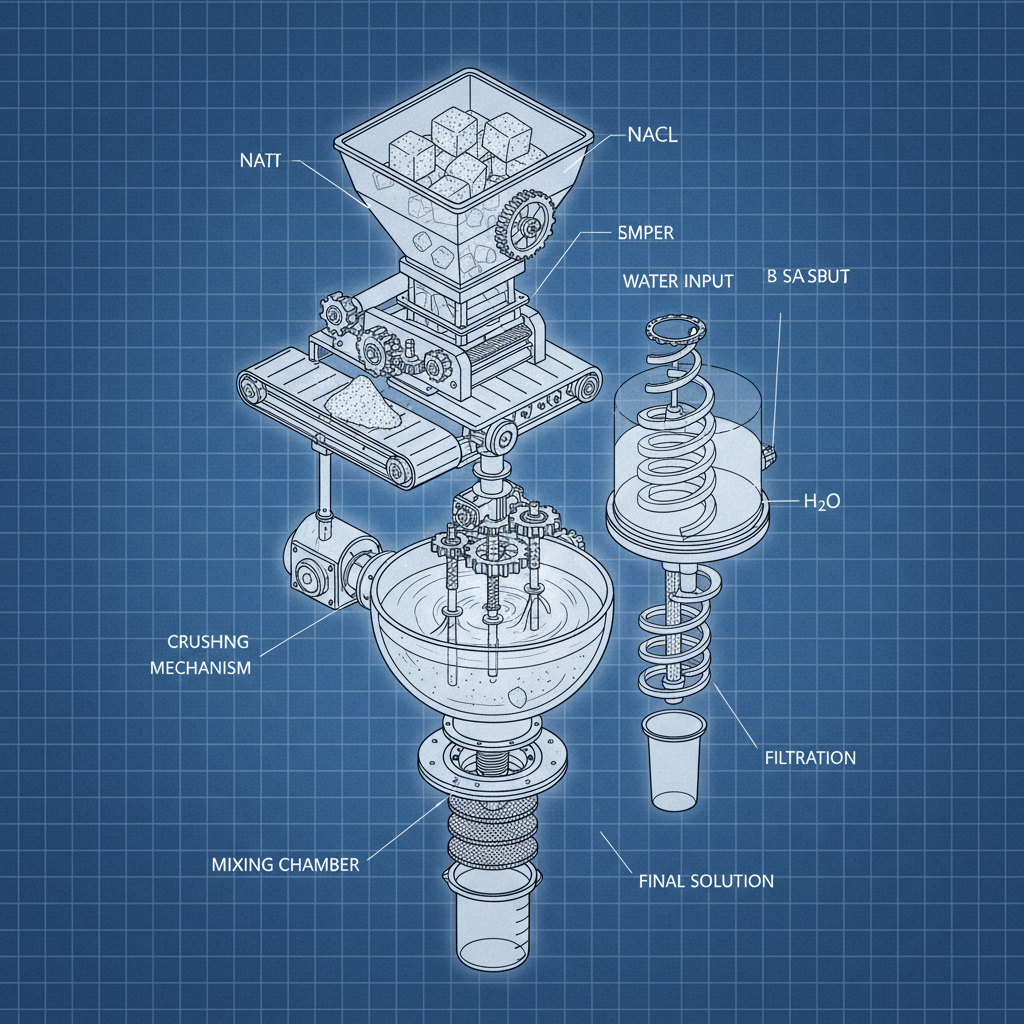
Applications of Sodium Chloride Solutions
Sodium chloride solutions have a vast range of applications across diverse fields. In medicine, a 0.9% NaCl solution is commonly used as intravenous saline for hydration and fluid replacement. In biological research, NaCl solutions are used to create isotonic environments for cell culture and to study osmotic effects. Food processing utilizes NaCl solutions for brining, preserving, and flavoring. Industrial applications include water softening and the production of chlorine and sodium hydroxide. The versatility of sodium chloride solutions makes them indispensable in countless processes.
Conclusion: Mastering Sodium Chloride Solution Preparation
Accurate sodium chloride solution preparation is a critical skill for professionals in various scientific and industrial fields. By following the procedures outlined in this guide and adhering to safety precautions, you can consistently produce high-quality solutions for your applications. Understanding the different concentrations and their uses further enhances your ability to utilize this versatile chemical compound effectively.
Frequently Asked Questions (FAQs)
What type of water should I use to prepare a sodium chloride solution?
Always use distilled or deionized water for preparing sodium chloride solutions. Tap water contains minerals and impurities that can interfere with your experiments or applications. These impurities can alter the solution's concentration, pH, and reactivity. Using distilled or deionized water ensures the accuracy and reliability of your results. The lower the impurities, the better. Fizachem offers high-purity water systems if consistent, high-quality water is a critical need.
How do I ensure the sodium chloride is completely dissolved?
To ensure complete dissolution, add a portion of the water to the NaCl and stir continuously using a stirring rod. Gentle heating can also aid dissolution, but avoid boiling. Ensure the solid NaCl is no longer visible at the bottom of the beaker. For higher concentrations, prolonged stirring may be necessary. Verify complete dissolution before transferring the solution to the volumetric flask.
What should I do if I accidentally add too much water to the volumetric flask?
If you inadvertently add too much water, you cannot simply remove it. The solution is compromised and must be discarded. Begin again with a fresh volumetric flask and accurately measure the required amount of water. Precision is crucial in solution preparation, so it's better to start over than to use an inaccurate solution. Careful observation of the meniscus is vital during this process.
-
Comprehensive Guide to Polyacrylamide Powder Applications and Industrial BenefitsNewsMar.31,2026
-
Understanding Polyacrylamide Charge and its Impact on Industrial ApplicationsNewsMar.28,2026
-
Comprehensive Guide to Cationic Polyacrylamide for Industrial Water Treatment and BeyondNewsMar.26,2026
-
Comprehensive Guide to Polyacrylamide and its CAS Number 9003058 ApplicationsNewsMar.24,2026
-
Comprehensive Guide to Polyacrylamide CAS No 9003058 and Industrial ApplicationsNewsMar.21,2026
-
Comprehensive Overview of Polyacrylamide CAS 9003058 Applications and PropertiesNewsMar.19,2026
-
Comprehensive Guide to Anionic Polyacrylamide Applications and BenefitsNewsMar.17,2026