Ensuring access to clean and safe water remains one of the most critical challenges of the 21st century. Among the various chemical interventions available, sodium chlorite water treatment has emerged as a powerful and versatile method for disinfection and oxidation, offering a high-efficiency alternative to traditional chlorination. By generating chlorine dioxide (ClO2) in situ, this process effectively eliminates a broad spectrum of pathogens without leaving the harmful chlorinated by-products often associated with standard bleach.
From an industrial perspective, the adoption of sodium chlorite water treatment is driven by the need for scalable, reliable, and potent antimicrobial agents. Whether it is treating municipal drinking water, purifying industrial cooling towers, or disinfecting aquaculture ponds, the chemistry of sodium chlorite allows for precise control over oxidation potential. This adaptability makes it an essential tool for engineers and environmental scientists striving to meet stringent ISO and WHO water quality standards.
Understanding the nuances of this treatment—from the chemical activation process to the safety protocols required for handling—is vital for maximizing its efficacy. This guide explores the global context, technical advantages, and future innovations of sodium chlorite water treatment, providing a comprehensive overview for procurement officers, plant managers, and sustainability consultants.
Global Context of Sodium Chlorite Water Treatment
On a global scale, the urgency for advanced water purification has intensified as urbanization and industrialization put unprecedented pressure on freshwater resources. According to data from the World Bank and UN-Water, billions of people still lack access to safely managed drinking water, making the deployment of cost-effective disinfection agents a priority. Sodium chlorite water treatment addresses this gap by providing a highly stable precursor to chlorine dioxide, which is significantly more effective than chlorine gas in neutralizing cryptosporidium and giardia.
In many developing regions, the challenge lies in the lack of sophisticated infrastructure. The ability to use sodium chlorite water treatment in modular or decentralized systems allows NGOs and governments to implement rapid response water purification in post-disaster zones or remote rural villages. This versatility ensures that biological contaminants are neutralized quickly, reducing the incidence of waterborne diseases and improving overall public health outcomes globally.
Defining Sodium Chlorite Water Treatment Principles
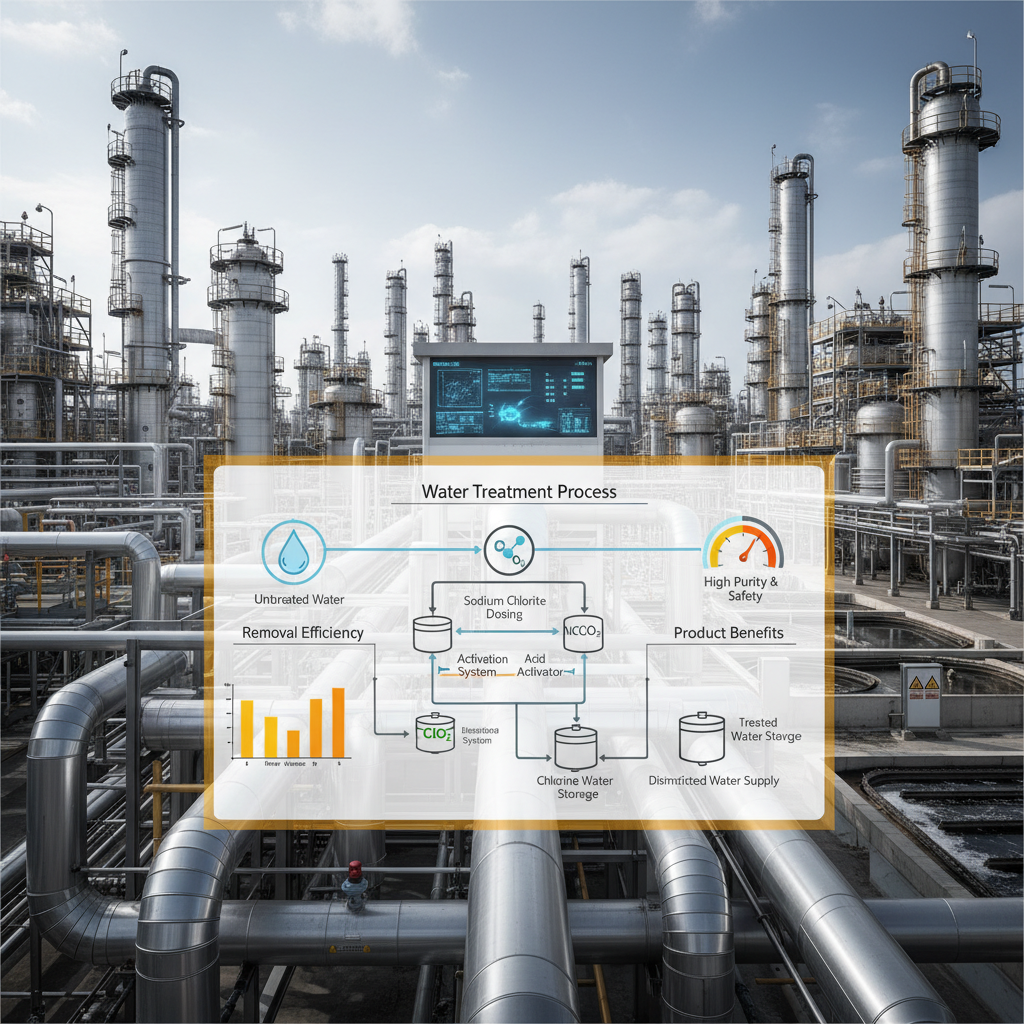
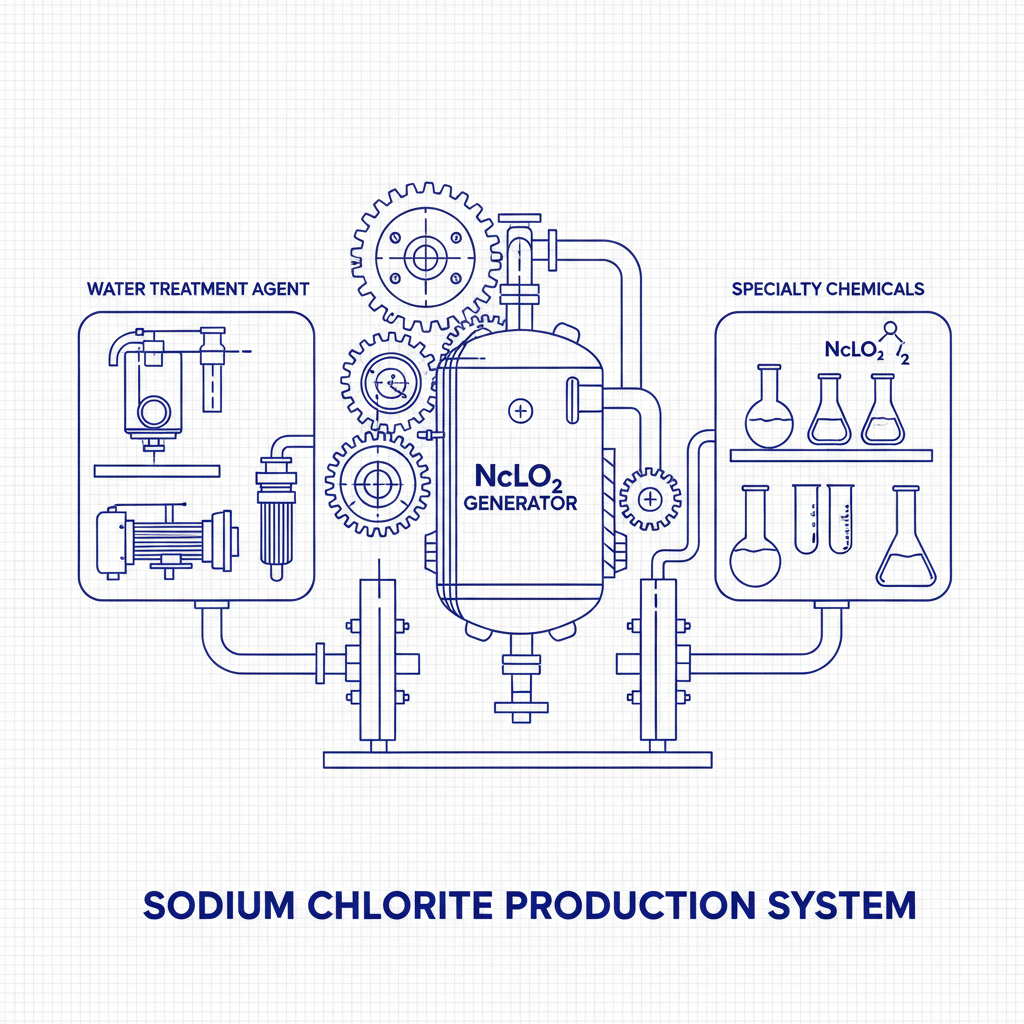
At its core, sodium chlorite water treatment is a chemical process where sodium chlorite (NaClO2) is activated—usually by an acid or a catalyst—to produce chlorine dioxide (ClO2). Unlike traditional chlorine, which works through substitution and addition reactions, chlorine dioxide is a pure oxidant. This means it destroys the cell walls of bacteria, viruses, and fungi through a more direct electronic transfer, making it harder for microorganisms to develop resistance.
From a humanitarian and industrial perspective, this method is prized for its ability to operate across a wider pH range than chlorine. While chlorine's effectiveness drops sharply as pH rises, the active agent in sodium chlorite water treatment remains potent in alkaline environments. This characteristic is crucial for treating hard water or industrial wastewater where pH fluctuations are common.
Furthermore, the process is designed to minimize the formation of trihalomethanes (THMs) and haloacetic acids (HAAs). These are carcinogenic by-products often found in water treated with liquid bleach or chlorine gas. By opting for a sodium chlorite-based system, municipalities can ensure that the water is not only biologically safe but also chemically pure, aligning with the strictest health and safety regulations.
Core Components of Effective Disinfection
The first critical factor in sodium chlorite water treatment is the Activation Precision. The conversion rate of sodium chlorite to chlorine dioxide depends heavily on the activation method—whether using citric acid, hydrochloric acid, or electrolysis. Achieving the correct stoichiometric balance ensures maximum pathogen kill rates while preventing the wastage of chemical reagents.
Another essential component is Oxidative Selectivity. One of the primary advantages of this treatment is that it selectively targets organic pollutants and biological membranes without reacting aggressively with the water's inorganic minerals. This means that the chemical demand is lower compared to traditional oxidants, leading to higher cost-efficiency and less chemical residue in the treated water.
Finally, System Scalability defines the practical application of the technology. Whether implemented as a small-scale dosing pump for a food processing plant or a massive injection system for a city's water main, sodium chlorite water treatment can be scaled linearly. This allows facilities to increase their throughput without needing to redesign the entire chemical delivery architecture.
Performance Metrics and Efficiency Analysis
Measuring the success of sodium chlorite water treatment requires a look at the "CT value" (Concentration x Contact Time). Because chlorine dioxide is a more potent oxidant, it typically achieves the same log-reduction of pathogens at a lower concentration or shorter contact time than traditional bleach. This increases the efficiency of the treatment plant by reducing the size of required contact tanks.
Moreover, the impact on water taste and odor is significantly reduced. Traditional chlorination often leaves a pungent "swimming pool" smell that is unappealing to consumers. In contrast, sodium chlorite-derived disinfection removes taste-altering organic compounds, resulting in a cleaner, more natural-tasting product that increases consumer trust in municipal water supplies.
Comparative Efficacy of Water Treatment Methods
Global Applications and Industrial Use Cases
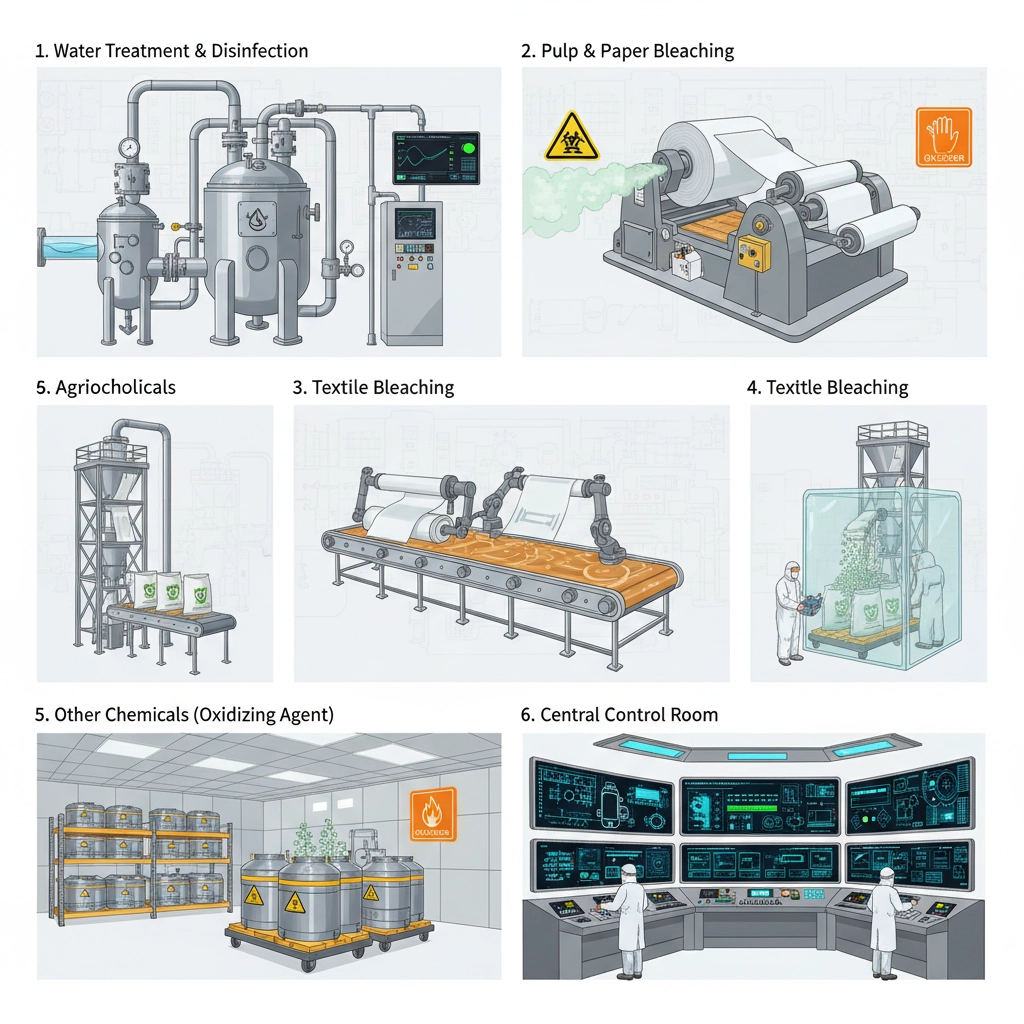
In the realm of industrial manufacturing, sodium chlorite water treatment is extensively used in the pulp and paper industry for bleaching and slime control. By replacing elemental chlorine, factories can significantly reduce the toxicity of their effluent, meeting the stringent environmental standards of the European Union and North American regulators. This transition not only protects local waterways but also reduces the cost of wastewater remediation.
Beyond industry, this technology is a lifesaver in the aquaculture sector. Fish and shrimp farms often struggle with bacterial blooms that can wipe out entire harvests. The application of sodium chlorite provides a controlled disinfection process that eliminates harmful pathogens without stressing the livestock, ensuring higher survival rates and more sustainable food production in regions like Southeast Asia and Latin America.
Long-term Value and Sustainability Benefits
The long-term value of implementing sodium chlorite water treatment extends beyond immediate disinfection. From a financial standpoint, the reduction in chemical waste and the decrease in required contact time translate to lower operational expenditures (OPEX). Furthermore, the minimized formation of toxic by-products reduces the risk of legal liabilities and environmental fines, providing long-term corporate security.
Sustainability is another core advantage. By reducing the reliance on gaseous chlorine—which is hazardous to transport and store—facilities can improve their safety profile. The use of sodium chlorite solutions is generally safer for personnel and reduces the risk of catastrophic gas leaks in urban environments. This shift toward "green chemistry" reflects a broader commitment to ecological stewardship.
Moreover, the reliability of this system fosters trust between water providers and the public. When a community knows that their water is treated with a method that avoids carcinogens and ensures the total removal of cysts and spores, the social value increases. Safe water is a cornerstone of human dignity, and the innovation provided by sodium chlorite water treatment directly contributes to this global goal.
Future Trends and Technological Innovations
The future of sodium chlorite water treatment is being shaped by the digital transformation of the chemical industry. We are seeing the rise of "Smart Dosing" systems, where IoT sensors monitor water quality in real-time and automatically adjust the sodium chlorite injection rate. This automation eliminates human error and ensures that the water is never under-treated (risking infection) or over-treated (wasting chemicals).
Additionally, there is a push toward the integration of renewable energy in the activation process. Electrochemical activation of sodium chlorite, powered by solar or wind energy, is becoming more viable. This removes the need for adding mineral acids to the water, making the process entirely "acid-free" and further reducing the environmental footprint of the treatment cycle.
As global policies shift toward a circular economy, we expect to see sodium chlorite integrated into closed-loop water recycling systems. This will allow industrial plants to purify their process water to a degree where it can be reused indefinitely, drastically reducing the volume of freshwater extracted from the environment.
Comparison of Sodium Chlorite Implementation Across Different Sectors
| Application Sector |
Primary Objective |
Implementation Complexity |
Efficacy Score (1-10) |
| Municipal Water |
Pathogen Elimination |
Medium |
10 |
| Pulp & Paper |
Bleaching/Slime Control |
High |
9 |
| Aquaculture |
Water Sterilization |
Low |
8 |
| Food Processing |
Surface Disinfection |
Low |
9 |
| Cooling Towers |
Biofilm Removal |
Medium |
8 |
| Emergency Relief |
Rapid Potability |
Very Low |
10 |
FAQS
Unlike traditional chlorination which uses chlorine gas or bleach, sodium chlorite is a precursor to chlorine dioxide. Chlorine dioxide is a more selective oxidant that does not produce harmful trihalomethanes (THMs) and is more effective at eliminating cysts and spores, making it safer and more efficient for long-term water supply management.
Yes, when managed correctly, sodium chlorite water treatment is safe and approved for drinking water. The active agent, chlorine dioxide, is monitored strictly by health organizations. Its primary benefit is the reduction of toxic by-products compared to traditional chlorine, provided the dosage is calibrated to recommended levels.
Absolutely. One of the strengths of sodium chlorite is that it can be deployed in simple, modular systems. By using pre-measured activation kits or small-scale dosing pumps, NGOs and field engineers can implement high-level water disinfection in disaster zones or remote villages without needing a full-scale treatment plant.
One of the biggest advantages of this method is its stability across a wide pH range. While traditional chlorine loses effectiveness in alkaline water (pH > 8), chlorine dioxide generated from sodium chlorite remains an effective disinfectant across almost the entire pH scale, ensuring consistent performance in varying water conditions.
Sodium chlorite should be stored in a cool, dry, and well-ventilated area, away from organic materials, acids, and combustible substances. It is essential to use compatible materials for storage tanks (such as high-density polyethylene) to prevent corrosion and ensure the chemical's stability over time.
The primary costs involve the initial setup of the dosing and activation equipment and the ongoing procurement of high-purity sodium chlorite. However, these costs are often offset by the reduced need for other chemicals, lower energy requirements for contact tanks, and the avoidance of environmental fines related to toxic by-products.
Conclusion
In summary, sodium chlorite water treatment represents a sophisticated leap forward in chemical disinfection. By prioritizing oxidative efficiency, minimizing carcinogenic by-products, and offering unparalleled scalability, it solves many of the inherent flaws found in traditional chlorination. From safeguarding municipal drinking water to optimizing industrial processes in the paper and aquaculture sectors, the versatility of this method ensures both public health and operational excellence.
As we move toward a more sustainable industrial future, the integration of smart automation and green energy into these treatment systems will only enhance their value. For businesses and governments looking to upgrade their water infrastructure, adopting a sodium chlorite-based approach is not just a technical choice, but a commitment to safety, sustainability, and innovation. To learn more about high-purity chemical solutions, visit our website: www.fizachem.com