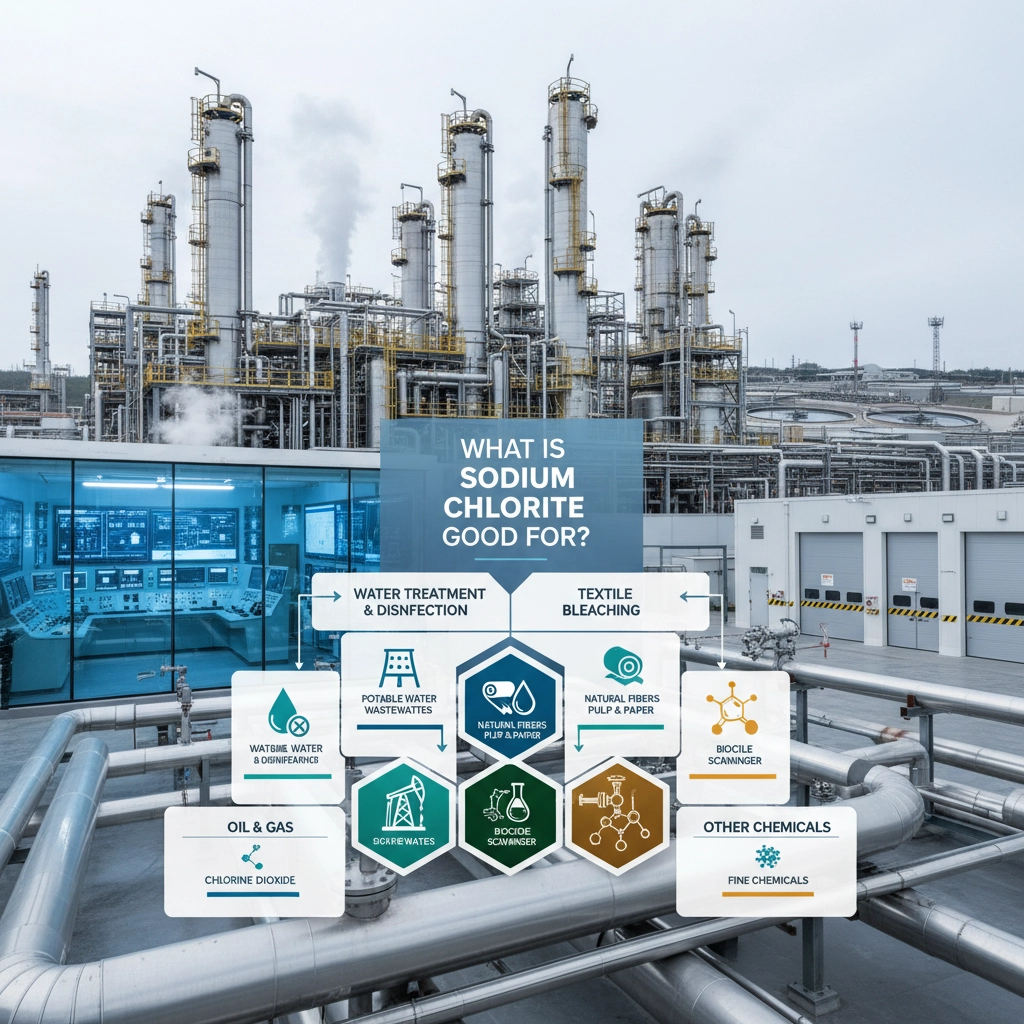
When exploring the versatility of industrial oxidants, one common question that arises among procurement managers and chemical engineers is: what is sodium chlorite good for? As a powerful bleaching and disinfecting agent, sodium chlorite serves as a cornerstone in various manufacturing sectors, offering a potent alternative to traditional chlorine-based systems. Understanding its chemical properties is essential for optimizing industrial processes and ensuring high-standard product purity.
From a global perspective, the demand for efficient water treatment and textile processing has pushed sodium chlorite into the spotlight. Its ability to generate chlorine dioxide (ClO2) in situ makes it indispensable for eliminating biofilms and organic contaminants without leaving the harmful residues often associated with simpler bleach solutions. This makes it a critical component in maintaining hygiene and quality across diverse international supply chains.
Ultimately, knowing what is sodium chlorite good for allows businesses to implement more sustainable and cost-effective sterilization protocols. Whether it is used in the pulp and paper industry for brightening or in municipal water systems for disinfection, its high reactivity and efficiency provide a competitive edge in operational excellence and environmental compliance.
Global Industrial Relevance of Sodium Chlorite
In the modern industrial landscape, the search for high-efficiency disinfectants has led many to ask what is sodium chlorite good for on a global scale. According to international industrial standards and environmental guidelines, the transition toward chlorine dioxide generation—where sodium chlorite is the primary precursor—has significantly reduced the formation of trihalomethanes (THMs), which are regulated by health organizations worldwide due to their carcinogenic potential.
The global relevance of this compound is most evident in the rapid urbanization of emerging economies, where the need for scalable water purification and industrial wastewater treatment is paramount. By leveraging the oxidative power of sodium chlorite, industries can maintain rigorous ISO hygiene standards while reducing the overall chemical footprint of their operations.
Defining the Core Utility of Sodium Chlorite
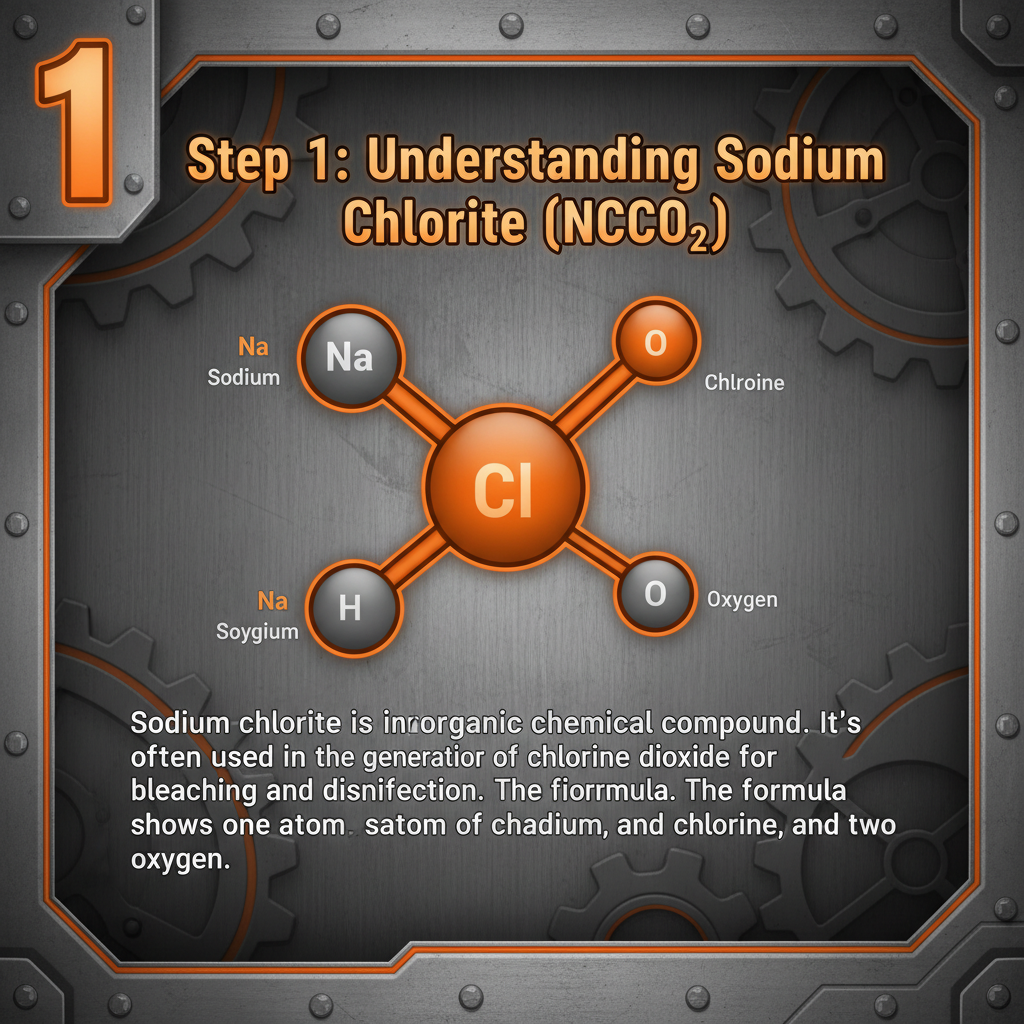
To put it simply, when we ask what is sodium chlorite good for, we are referring to its role as a powerful oxidizing agent. Its primary value lies in its ability to act as a stable source for the production of chlorine dioxide. Unlike elemental chlorine, sodium chlorite provides a more controlled release of active oxygen, making it safer for specific industrial applications where precision is required.
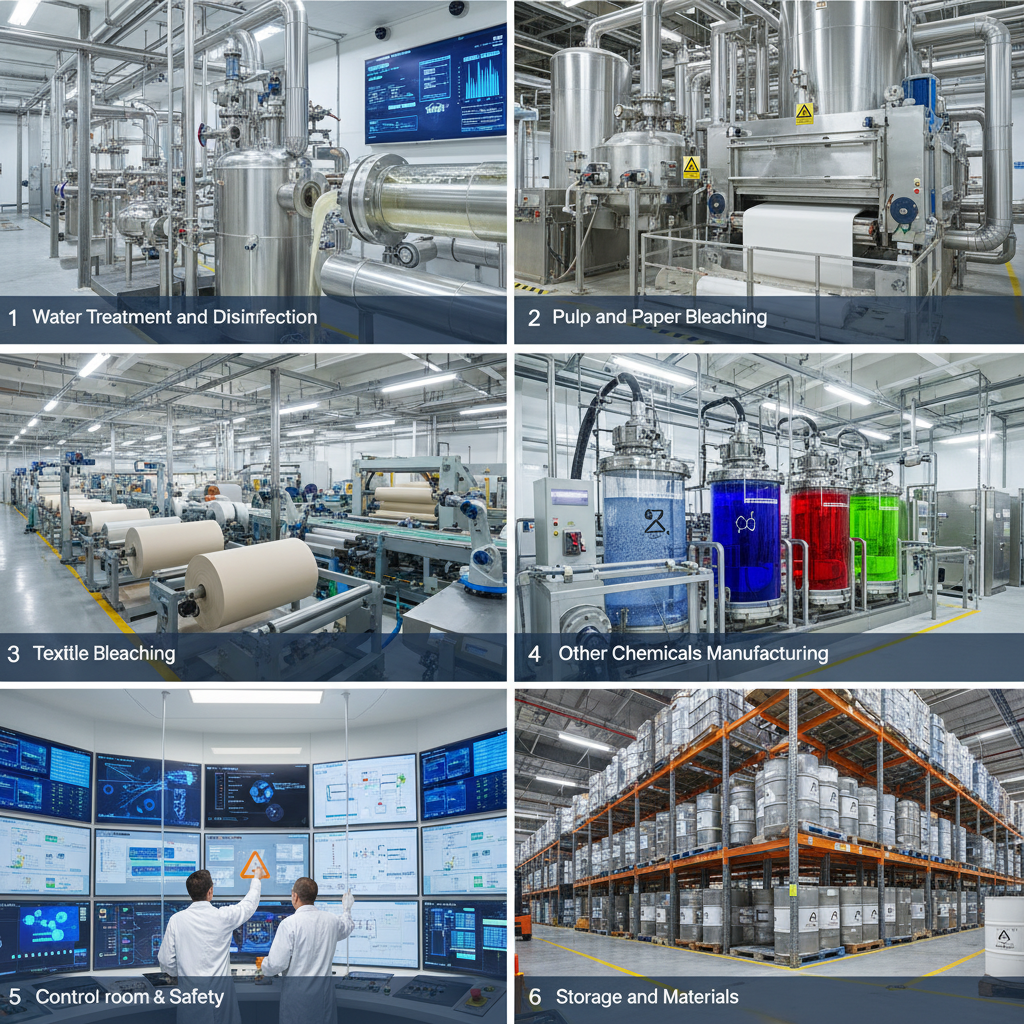
In the context of modern industry, this chemical is more than just a bleach; it is a tool for biological control. It is used to disrupt the cellular membranes of bacteria, viruses, and fungi, making it a cornerstone of biosecurity in food processing plants and pharmaceutical cleanrooms where contamination could lead to catastrophic product loss.
Furthermore, its connection to humanitarian needs is evident in disaster relief. Portable sodium chlorite kits are often deployed to provide emergency water purification in regions where infrastructure has collapsed, proving that its utility extends far beyond the factory floor to save lives in critical situations.
Key Factors Driving the Efficacy of Sodium Chlorite
One of the primary drivers for using this compound is its Oxidative Potency. When analyzing what is sodium chlorite good for, we must look at its ability to break down complex organic molecules, which allows for the deep whitening of textiles and the removal of stubborn dyes in the paint and chemical industry.
Another critical factor is Selectivity. Sodium chlorite-derived systems are highly effective at targeting specific contaminants without reacting with the organic matter typically found in raw water, meaning more of the chemical is used for actual disinfection rather than being wasted on non-target debris.
Finally, Scalability and Stability make it a preferred choice. Whether in a small-scale lab setting or a massive water treatment facility, the compound can be transported and stored in stable liquid forms, ensuring that industries can maintain a consistent supply of disinfecting power without the risks associated with gaseous chlorine.
Global Applications and Use Cases
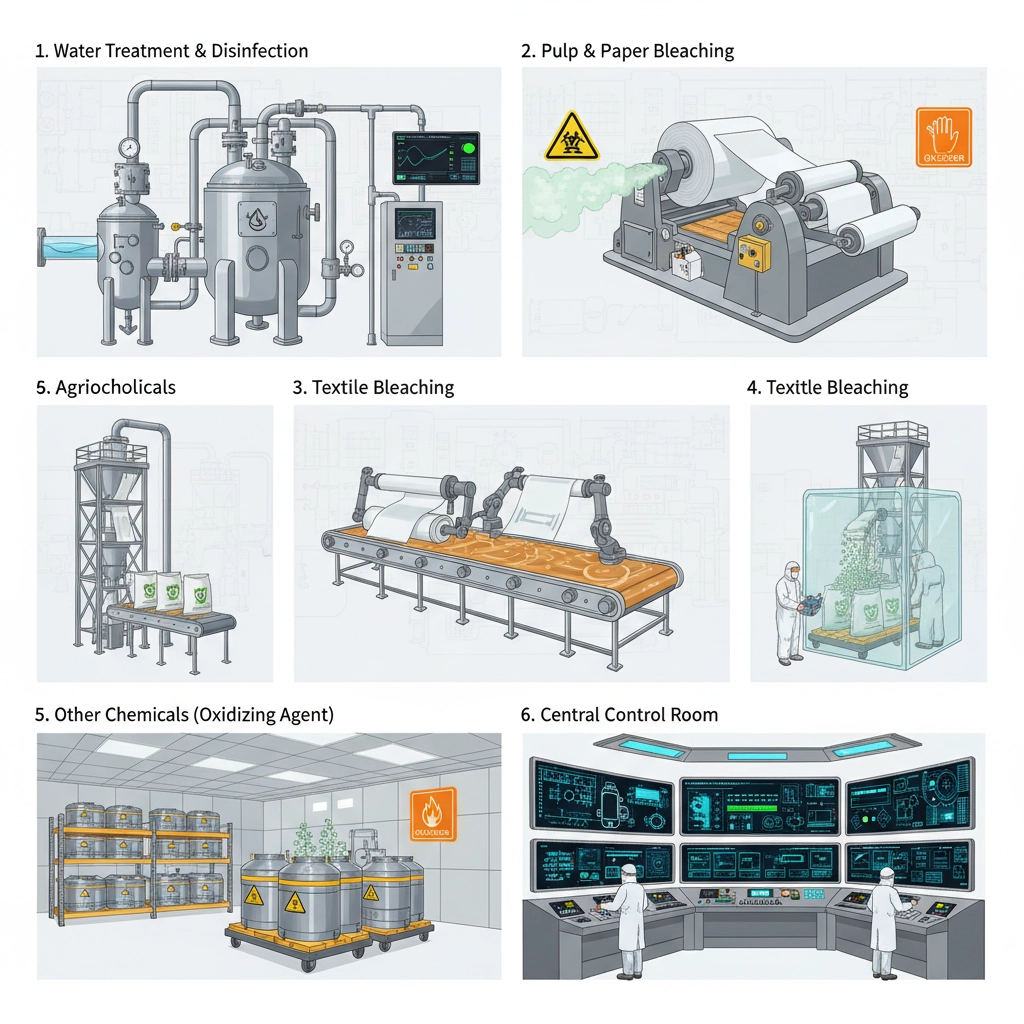
The real-world application of what is sodium chlorite good for spans across several critical sectors. In the pulp and paper industry, it is used in the "Electron Beam" or ECF (Elemental Chlorine Free) bleaching process, which allows manufacturers to produce bright white paper while minimizing the environmental impact on surrounding waterways.
In remote industrial zones, such as mining operations in South America or oil rigs in the North Sea, sodium chlorite is used to prevent "biofouling" in cooling towers and piping systems. By eliminating algae and slime, it ensures that critical machinery operates at peak thermal efficiency, preventing costly downtime in harsh environments.
Efficiency Analysis: What is Sodium Chlorite Good For across Sectors
Long-Term Advantages and Economic Value
Investing in sodium chlorite offers significant tangible benefits, primarily in terms of cost-efficiency and sustainability. Because it is more effective than traditional bleach at lower concentrations, companies can reduce the volume of chemicals purchased and transported, thereby lowering their operational expenditure (OPEX) and reducing the carbon footprint associated with chemical logistics.
Beyond the balance sheet, there is an emotional and logical angle of trust and safety. By utilizing a compound that minimizes toxic byproducts, brands can market their products as "environmentally conscious." This builds consumer trust and ensures that the company remains ahead of tightening environmental regulations, turning a chemical choice into a long-term strategic asset.
Future Trends in Oxidation Technology
Looking ahead, the conversation around what is sodium chlorite good for is shifting toward automation and "smart dosing." The integration of IoT sensors in water treatment plants allows for real-time monitoring of organic loads, triggering the precise release of sodium chlorite only when needed, which further eliminates waste and enhances safety.
Green chemistry is also playing a role. Researchers are exploring ways to combine sodium chlorite with UV-C light or ozone to create "advanced oxidation processes" (AOPs). These hybrid systems can destroy emerging contaminants, such as microplastics and pharmaceutical residues, which traditional chemicals cannot handle alone.
Furthermore, the trend toward digital transformation in the chemical supply chain means that procurement for these essential materials is becoming more transparent. Blockchain tracking is being used to ensure the purity and origin of the chemicals, ensuring that only the highest grade of sodium chlorite reaches critical infrastructure.
Overcoming Technical Challenges in Implementation
Despite its advantages, users often face challenges regarding the corrosive nature of the compound. To address this, expert insights suggest the use of high-density polyethylene (HDPE) or PTFE-lined piping. Proper material selection prevents equipment degradation and ensures that the system remains leak-proof, maintaining a safe working environment.
Another limitation is the requirement for precise pH control to optimize the generation of chlorine dioxide. Innovative dosing pumps and automated pH controllers have now made it possible to maintain the ideal environment automatically, removing the risk of human error and ensuring maximum efficacy of the chemical reaction.
Finally, handling and storage regulations can be daunting. By implementing standardized safety training and utilizing specialized containment pallets, companies can easily comply with international hazardous material laws. The key is to move from a reactive safety approach to a proactive one, integrating safety into the very design of the chemical delivery system.
Comparative Analysis of Sodium Chlorite Performance Metrics
| Application Sector |
Oxidation Speed |
Residue Level |
Cost Efficiency |
| Municipal Water |
Very High |
Low |
9/10 |
| Paper Pulp |
High |
Moderate |
8/10 |
| Food Processing |
Moderate |
Very Low |
7/10 |
| Textile Dyeing |
High |
Moderate |
8/10 |
| Mining Cooling |
Moderate |
Low |
6/10 |
| Pharmaceutical |
Very High |
Very Low |
9/10 |
FAQS
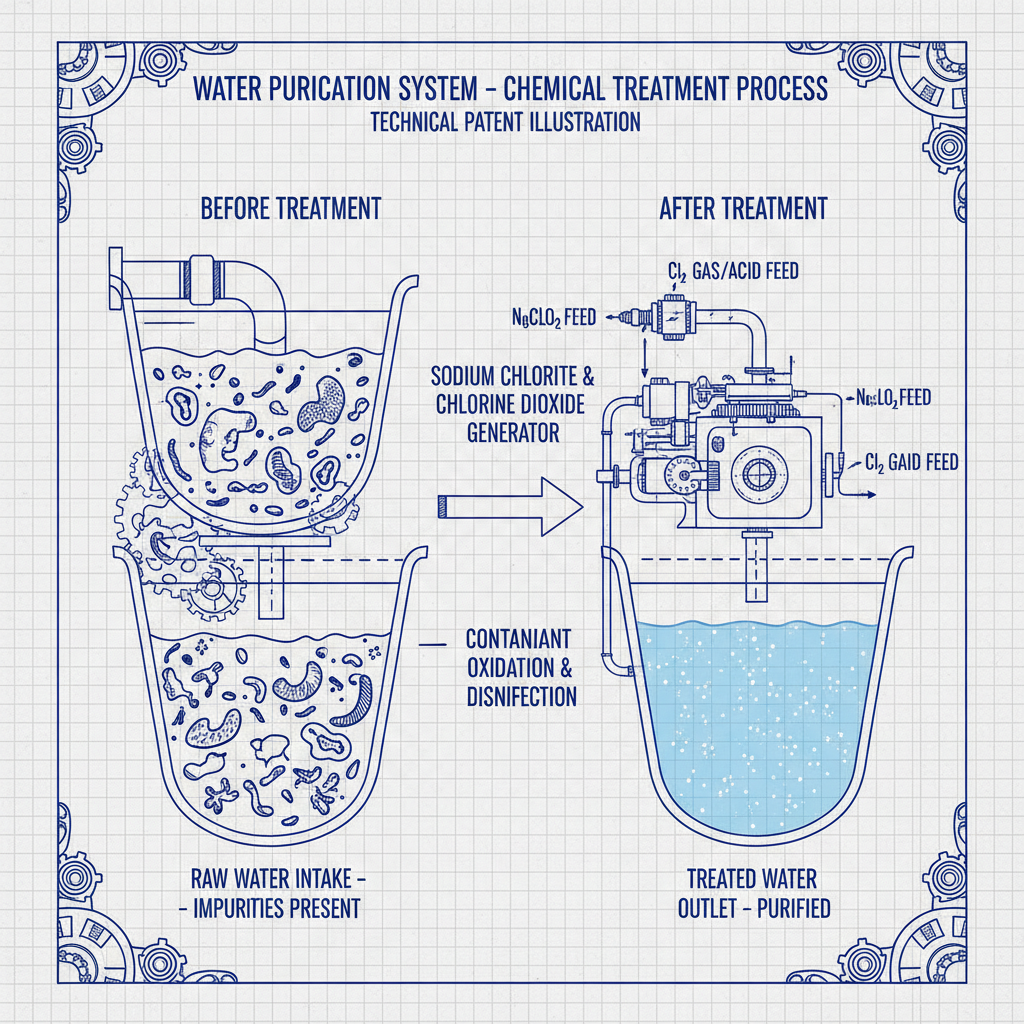
In water treatment, sodium chlorite is primarily used to generate chlorine dioxide. It is exceptionally effective at removing odors, tastes, and harmful pathogens from drinking water. Unlike standard bleach, it does not produce significant amounts of THMs, making it a safer, more environmentally friendly choice for municipal water supplies and industrial cooling towers.
While both are oxidants, sodium chlorite (as a precursor to ClO2) is more selective and powerful against biofilms. Sodium hypochlorite is a general bleach, whereas sodium chlorite is better for deep disinfection and industrial whitening where residue control is critical. It is generally more expensive but offers higher performance in complex organic environments.
Yes, when used in the correct concentrations and activated properly, sodium chlorite-based solutions are used extensively in the food industry to sanitize surfaces and equipment. It effectively kills food-borne pathogens without leaving the strong chemical taste associated with chlorine, provided that rinse protocols are followed according to local health regulations.
Sodium chlorite must be stored in a cool, dry, and well-ventilated area, away from organic materials, acids, and reducing agents. Because it is a strong oxidant, it requires compatible containers (like HDPE plastic) to prevent corrosion and accidental reactions. Proper labeling and secondary containment are mandatory for industrial safety.
Absolutely. It is highly prized in the textile industry for its ability to bleach natural and synthetic fibers without damaging the structural integrity of the fabric. It provides a high degree of whiteness and is often preferred over elemental chlorine to reduce the environmental impact of the wastewater discharge.
For small plants, the best approach is to use a pre-fabricated chlorine dioxide generator kit. These systems automate the mixing of sodium chlorite with an activator (like citric acid or sodium bisulfite), ensuring a safe and steady flow of the active agent without requiring complex chemical engineering on-site.
Conclusion
In summary, understanding what is sodium chlorite good for reveals a compound that is essential for modern industrial hygiene, water safety, and material processing. From its role in reducing toxic byproducts in municipal water to its efficiency in high-end textile bleaching and biosecurity, sodium chlorite provides a versatile, scalable, and powerful solution for complex oxidation challenges. Its ability to balance high performance with environmental responsibility makes it a superior choice for companies aiming for operational excellence.
As we look toward a future of greener chemistry and smarter industrial automation, the role of sodium chlorite will only expand. We suggest that procurement officers and engineers evaluate their current disinfection protocols to see where transitioning to sodium chlorite-based systems could lower costs and improve sustainability. To discover the highest quality chemical solutions for your industry, visit our website: www.fizachem.com.