- Afrikaans
- Albanian
- Amharic
- Arabic
- Armenian
- Azerbaijani
- Basque
- Belarusian
- Bengali
- Bosnian
- Bulgarian
- Catalan
- Cebuano
- Corsican
- Croatian
- Czech
- Danish
- Dutch
- English
- Esperanto
- Estonian
- Finnish
- French
- Frisian
- Galician
- Georgian
- German
- Greek
- Gujarati
- Haitian Creole
- hausa
- hawaiian
- Hebrew
- Hindi
- Miao
- Hungarian
- Icelandic
- igbo
- Indonesian
- irish
- Italian
- Japanese
- Javanese
- Kannada
- kazakh
- Khmer
- Rwandese
- Korean
- Kurdish
- Kyrgyz
- Lao
- Latin
- Latvian
- Lithuanian
- Luxembourgish
- Macedonian
- Malgashi
- Malay
- Malayalam
- Maltese
- Maori
- Marathi
- Mongolian
- Myanmar
- Nepali
- Norwegian
- Norwegian
- Occitan
- Pashto
- Persian
- Polish
- Portuguese
- Punjabi
- Romanian
- Russian
- Samoan
- Scottish Gaelic
- Serbian
- Sesotho
- Shona
- Sindhi
- Sinhala
- Slovak
- Slovenian
- Somali
- Spanish
- Sundanese
- Swahili
- Swedish
- Tagalog
- Tajik
- Tamil
- Tatar
- Telugu
- Thai
- Turkish
- Turkmen
- Ukrainian
- Urdu
- Uighur
- Uzbek
- Vietnamese
- Welsh
- Bantu
- Yiddish
- Yoruba







Богатые и разнообразные продукты
Для вашего выбора



-
 2005
2005С
год
-
 1000
1000ПОСТАВЩИК
+
-
 3000
3000МАСТЕРСКАЯ
㎡
-
 50
50ГОДОВОЙ ДОХОД
m

Фокус · Качество · Целостность
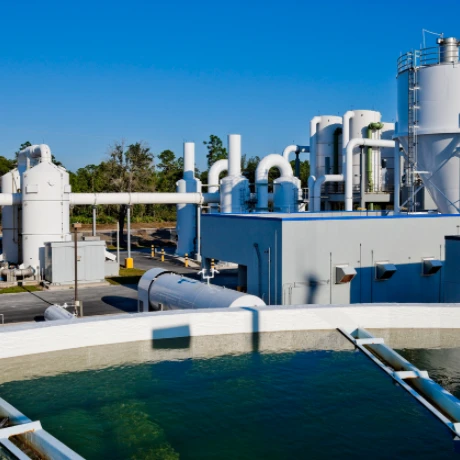
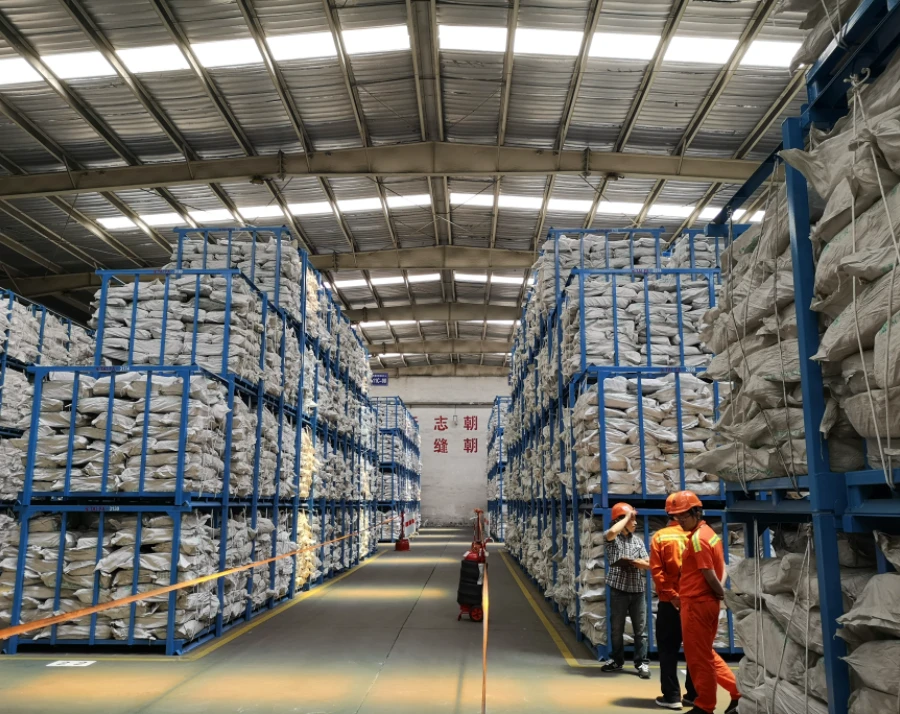
FIZA — ведущая компания по поставкам и торговле химикатами со штаб-квартирой в Хэбэе, Китай, с офисами в Гонконге и Канаде. Как глобальная торговая организация, мы используем обширную сеть китайских производителей для предоставления комплексных и надежных услуг по закупкам широкого спектра химической продукции. Наша база поставщиков превышает 1000 компаний, и мы управляем SHENGYA CHEMICAL, специализированным заводом, посвященным производству хлорита натрия.
Aboutus
.png "Aboutus")
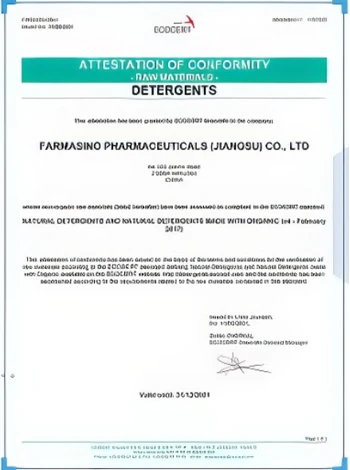
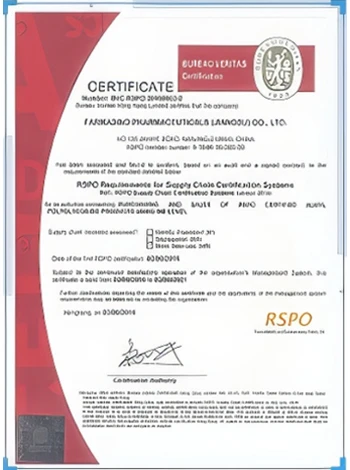
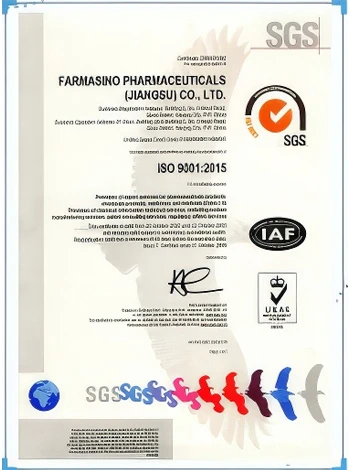
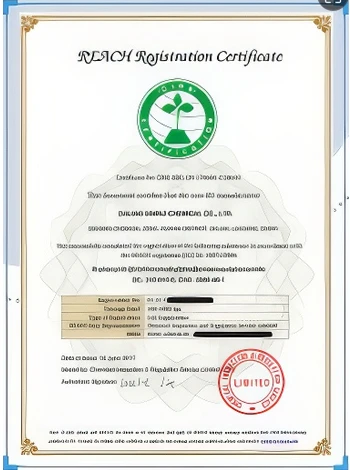
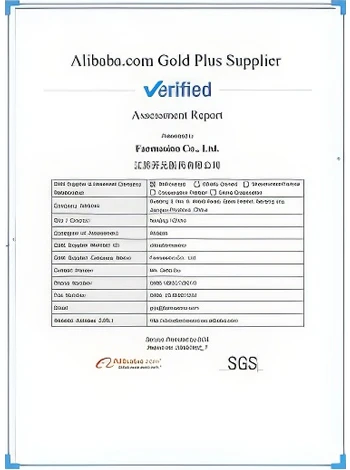
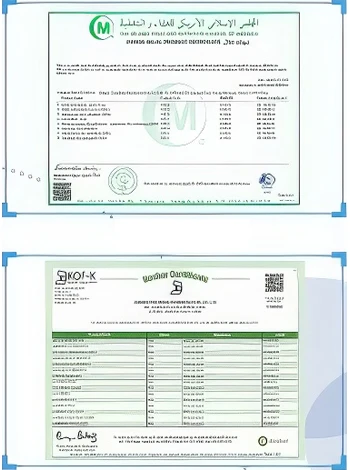
Наш Почетный Сертификат







Последние статьи