- Afrikaans
- Albanian
- Amharic
- Arabic
- Armenian
- Azerbaijani
- Basque
- Belarusian
- Bengali
- Bosnian
- Bulgarian
- Catalan
- Cebuano
- Corsican
- Croatian
- Czech
- Danish
- Dutch
- English
- Esperanto
- Estonian
- Finnish
- French
- Frisian
- Galician
- Georgian
- German
- Greek
- Gujarati
- Haitian Creole
- hausa
- hawaiian
- Hebrew
- Hindi
- Miao
- Hungarian
- Icelandic
- igbo
- Indonesian
- irish
- Italian
- Japanese
- Javanese
- Kannada
- kazakh
- Khmer
- Rwandese
- Korean
- Kurdish
- Kyrgyz
- Lao
- Latin
- Latvian
- Lithuanian
- Luxembourgish
- Macedonian
- Malgashi
- Malay
- Malayalam
- Maltese
- Maori
- Marathi
- Mongolian
- Myanmar
- Nepali
- Norwegian
- Norwegian
- Occitan
- Pashto
- Persian
- Polish
- Portuguese
- Punjabi
- Romanian
- Russian
- Samoan
- Scottish Gaelic
- Serbian
- Sesotho
- Shona
- Sindhi
- Sinhala
- Slovak
- Slovenian
- Somali
- Spanish
- Sundanese
- Swahili
- Swedish
- Tagalog
- Tajik
- Tamil
- Tatar
- Telugu
- Thai
- Turkish
- Turkmen
- Ukrainian
- Urdu
- Uighur
- Uzbek
- Vietnamese
- Welsh
- Bantu
- Yiddish
- Yoruba







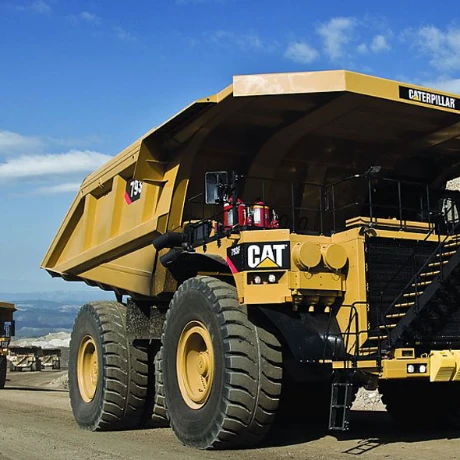
రిచ్ మరియు విభిన్న ఉత్పత్తులు
మీరు ఎంచుకోవడానికి



-
 2005
2005నుండి
సంవత్సరం
-
 1000
1000సరఫరాదారు
+
-
 3000
3000వర్క్షాప్
㎡
-
 50
50వార్షిక ఆదాయం
m

దృష్టి · నాణ్యత · సమగ్రత
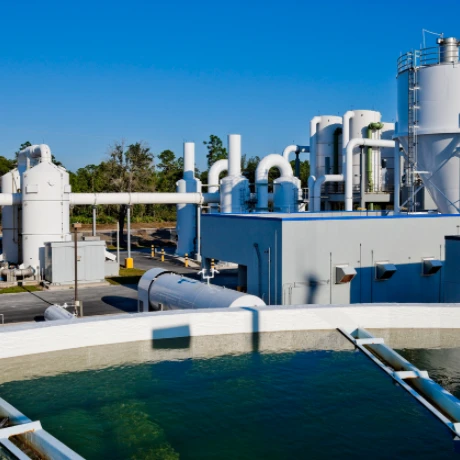
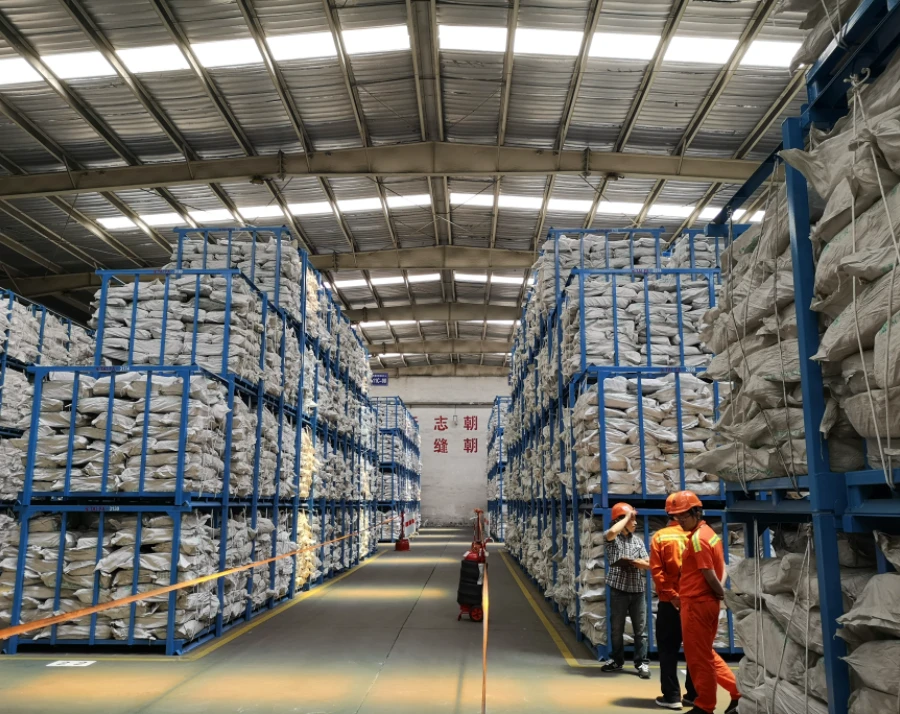
FIZA అనేది ఒక ప్రముఖ రసాయన సరఫరాదారు మరియు వ్యాపార సంస్థ, దీని ప్రధాన కార్యాలయం చైనాలోని హెబీలో ఉంది, దీని కార్యాలయాలు హాంకాంగ్ మరియు కెనడాలో స్థాపించబడ్డాయి. గ్లోబల్ ట్రేడింగ్ ఎంటిటీగా, విస్తృత శ్రేణి రసాయన ఉత్పత్తుల కోసం సమగ్రమైన మరియు విశ్వసనీయమైన సేకరణ సేవలను అందించడానికి మేము చైనీస్ తయారీదారుల విస్తృత నెట్వర్క్ను ఉపయోగిస్తాము. మా సరఫరాదారు బేస్ 1000 కంపెనీలను మించిపోయింది మరియు మేము సోడియం క్లోరైట్ ఉత్పత్తికి అంకితమైన ప్రత్యేక కర్మాగారమైన షెంగ్యా కెమికల్ని నిర్వహిస్తున్నాము.
Aboutus
.png "Aboutus")
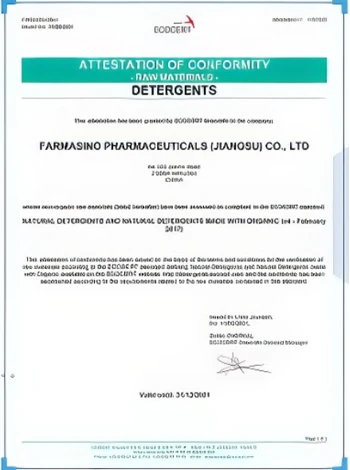
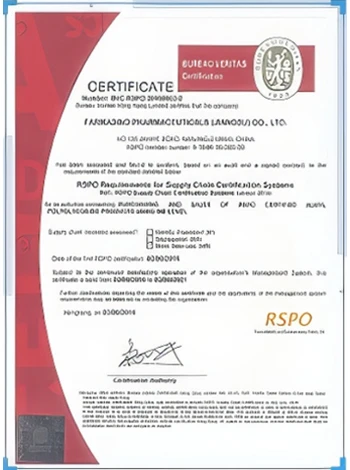
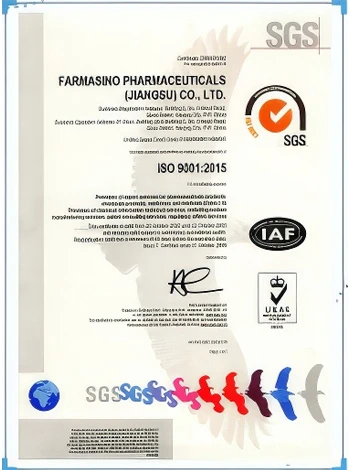
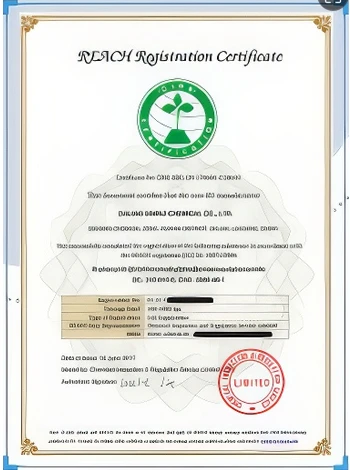
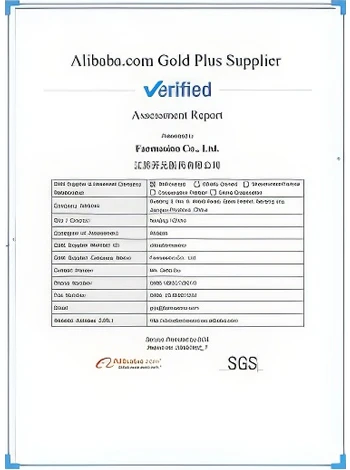
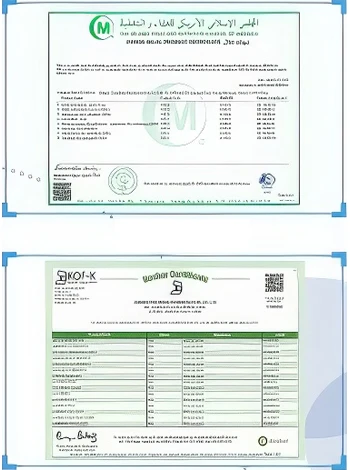
మా గౌరవ సర్టిఫికేట్







ఇటీవలి కథనాలు